
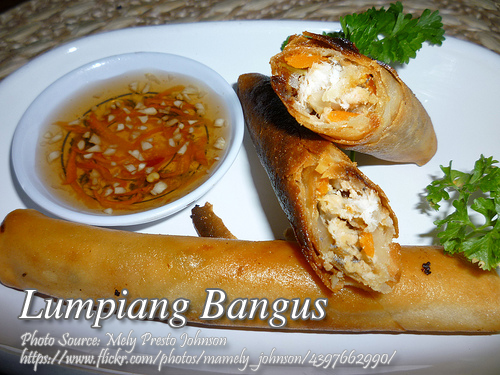
This lumpiang bangus recipe is similar lumpiang shanghai but it is made from bangus or milkfish flakes instead of ground pork or beef. A superb addition to your menus for any occasion! This recipe is really great because you can save left over milkfish dishes whether it is grilled or fried bangus. Just be careful to debone the bangus flakes and no spiny bones left.
Lumpiang Bangus: A Crispy Idea Born From Leftover Fish
I never would have thought of making lumpiang bangus if it were not for my Tita Coring. She lived in a small house in Bulacan, and her kitchen always smelled like something wonderful was happening. One Sunday afternoon, I watched her take leftover fried milkfish from the refrigerator — fish that most of us would have just reheated and eaten plain — and turn it into something I had never tasted before. She flaked the fish with her bare hands, picked out every bone with the patience of a saint, and sautéed everything with garlic, onion, and tomato until the whole kitchen smelled incredible. Then she folded the filling into lumpia wrappers and dropped them into hot oil. Golden. Crispy. Gone in five minutes.
That was the day I fell in love with this dish, and I have been making it ever since.
What Exactly Is Lumpiang Bangus and Where Did It Come From?
Lumpia is one of those foods that quietly tells the story of the Philippines. It came from the Chinese spring roll, brought over by Hokkien immigrants centuries ago, and Filipino cooks slowly made it their own — stuffing it with everything from ubod to togue to ground pork. The version using milkfish as the filling is a more humble, home-style creation that grew out of pure Filipino resourcefulness. Bangus, after all, is the national fish of the Philippines, and no Filipino household wastes good fish. Lumpiang bangus was born from that same spirit — the idea that yesterday’s grilled or fried milkfish could become today’s crispy, crowd-pleasing appetizer that everyone at the table would fight over.
Why Milkfish Makes Such a Good Filling
Not every fish works well inside a lumpia wrapper, but bangus does beautifully. It has a mild, slightly sweet flavor that does not overpower the other ingredients, and its naturally flaky texture blends easily with sautéed vegetables and softened sotanghon noodles. My cousin Maricel from Cavite, who sells finger food at the local market, told me she started offering lumpiang bangus because her customers kept asking for a lighter, more budget-friendly alternative to lumpiang Shanghai. She seasons her filling simply with patis and pepper, and that is really all it needs. Fish sauce adds a deep savory note that ties everything together without making the filling taste overly fishy.
Sautéing the garlic, onion, and tomato before adding the fish is a step that beginners sometimes skip. Do not skip it. Cooking the aromatics first in hot oil draws out their natural sweetness and builds the base flavor of the entire filling. When you add the flaked milkfish on top of that softened mixture, it absorbs all of that flavor rather than just sitting beside it.
The Secret Behind That Perfect Golden Crunch
Here is something Tita Coring drilled into me early on — always let your filling cool completely before wrapping. Warm filling releases steam inside the wrapper, which makes it soggy and very difficult to seal properly. A soggy wrapper also tends to burst open in the oil, spilling the filling everywhere, and nobody wants that mess. Once cooled, wrap each piece snugly but not too tight, and seal the edge with a little water or beaten egg to make sure it holds together during frying.
When it comes to frying your lumpiang bangus, the oil temperature matters more than most people realize. Cold oil is the enemy of a crispy wrapper. If the oil is not hot enough, the wrapper soaks it up like a sponge before it even has time to turn golden. Medium to medium-high heat is ideal — hot enough to seal the wrapper the moment it hits the pan, locking in the filling and pushing out excess moisture. That is exactly what gives you that deeply satisfying crunch in every bite.
Do Not Skip the Dipping Sauce
A good sawsawan makes all the difference. For this particular fish lumpia, a sweet and sour dipping sauce made from sugar, water, vinegar, garlic, siling labuyo, and grated carrots is the classic pairing that brings the whole dish to life. My brother-in-law Dodong always adds an extra clove of garlic and a little more chili to his sauce, and honestly, his version might be even better than the original. The sharpness of the vinegar cuts right through the richness of the fried wrapper, while the heat from the chili balances the mild sweetness of the fish filling beautifully.
A Recipe Worth Coming Back To
What I love most about this dish is how forgiving and flexible it is. You can use freshly cooked milkfish or repurpose last night’s leftovers into something completely new. You can prepare the filling ahead of time and simply fry the rolls when you are ready to serve. Lumpiang bangus works just as well at a big family gathering or a birthday party as it does on a quiet weeknight when you want something warm and crispy alongside your rice.
If you have never tried making it at home, this is honestly one of the best recipes to start with. It is straightforward, budget-friendly, and beginner-friendly. And once you take that very first bite — golden crispy wrapper, savory milkfish filling, tangy dipping sauce on the side — you will completely understand why Tita Coring never let leftover bangus go to waste. Once you make lumpiang bangus, it will earn a permanent spot in your kitchen.
How to Make Lumpiang Bangus (Milkfish Springrolls)
Ingredients
- 1 and 1/3 cups cooked and flaked bangus Milk Fish
- 1/2 cup green onions chopped
- 2 pcs medium tomatoes chopped
- 1 pc medium onion chopped
- 1 and 1/2 cups sotanghon noodles cut up and softened in water
- Patis to taste
- Pepper to taste
- lumpia wrappers
For the sauce:
- 1/2 cup sugar
- 1/2 cup water
- 1/4 cup vinegar
- 1/2 teaspoon salt
- 1 clove garlic chopped
- 1 to 2 pieces siling Labuyo chopped
- 1/4 cup grated carrots
Instructions
How to make lumpiang bangus:
- In a saucepan, put bangus and enough water to cover. Simmer till fish is cooked.
- Remove from pan and cool. Flake fish and pick out bones.
- In another pan, heat 2 tablespoons cooking oil. Saute garlic onions and tomatoes.
- When vegetables are soft, add bangus. Season with patis and pepper.
- Drain sotanghon and add to bangus. Cook till noodles are transparent. Add green onions.
- Cool the filling and wrap in lumpia wrappers. Fry in hot oil till golden brown.
How to make the lumpia sauce:
- In a small saucepan, combine sugar and water. Cook over medium heat until syrupy.
- Remove from heat and add the remaining ingredients. Makes 8 portions.
Notes
Frequently Asked Questions About Lumpiang Bangus
1. Can I use leftover bangus to make lumpiang bangus?
Absolutely. Leftover sinanggang bangus, fried milkfish, or even bangus sa tausi all work perfectly. In fact, many home cooks prefer using leftovers because the fish already carries extra flavor from its previous cooking.2. How do I make sure there are no bones in my lumpiang bangus filling?
After flaking the fish, sit down and go through every piece slowly with your fingers. Bangus has very fine, hair-like bones that are easy to miss, so take your time. This is the most important step in the entire recipe.3. Why is sotanghon added to lumpiang bangus?
Glass noodles absorb all the savory juices from the fish and seasonings, carrying flavor through the entire filling. They also help bind everything together and stretch the mixture further without making the rolls feel heavy.4. Why does my lumpiang bangus turn out soggy instead of crispy?
Two common reasons — the oil wasn't hot enough before frying, or too many rolls were added to the pan at once. Always fry in small batches at around 350°F and drain immediately on paper towels.5. Can I prepare lumpiang bangus ahead of time?
Yes. You can make the filling and wrap the rolls in advance, then store them in the refrigerator. Fry them fresh when you're ready to serve so they stay crispy.6. What dipping sauce goes best with lumpiang bangus?
The classic sauce is a sweet and tangy mixture of sugar, water, vinegar, garlic, siling labuyo, and grated carrots. Adjust the chili to your preference — some people like it mild, others go heavy on the heat.7. Is lumpiang bangus healthy?
Bangus is a good source of protein and omega-3 fatty acids. For a lighter version, you can try air-frying the rolls instead of deep-frying, which reduces the oil significantly while still giving you a decent crunch.8. What makes lumpiang bangus different from lumpiang shanghai?
The main difference is the filling. Lumpiang shanghai traditionally uses seasoned ground pork, while lumpiang bangus uses flaked milkfish as the base. Both are fried and crispy, but the flavor profiles are quite different.



wow, i have never tried this yet, i always buy canned tunas in making lumpia.