
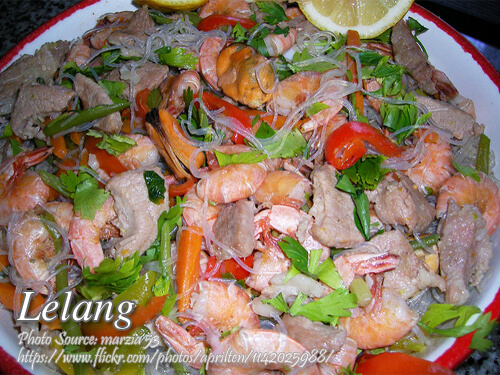
This is a noodles recipe from the Eastern Visayas Region VII. If you are living or brought up from the Central Luzon are where the dialect is tagalog, you will wonder if Lelang is a dish or a word use to mock somebody by saying “lelang mong panot”. I think it also an Indonesian word. Anyway you will be surprise what this dish is.
Actually it is a counterpart of pancit sotanghon which the ingredients are almost the same with lelang but it has a mixture of mung beans or toge. I think that is the only difference to the well known pancit sotanghon. I suggest you try it if you really want to try something new to your menu.
First Time Hearing About Lelang
The first time I heard the word lelang, I honestly thought someone was joking. I grew up in Central Luzon where Tagalog jokes fly fast, and the word often comes with teasing, the kind you hear during family reunions when uncles are feeling extra playful. So when my cousin Maribel from Leyte told me she was cooking lelang for lunch, I laughed and thought she was messing with me. She wasn’t. What came out of her small kitchen that afternoon surprised me and stayed with me.
This dish comes from Eastern Visayas, and while it looks familiar at first glance, it has its own quiet personality. If you love noodle dishes and are just starting to explore Filipino regional cooking, this is a comforting place to begin.
Discovering Lelang Through Family Stories
My introduction to lelang came through my Uncle Renato, who married into our family and brought his Visayan roots with him. During one summer visit, he cooked this dish while telling stories about his childhood in Samar. He said it was something his mother made when ingredients were simple but flavors had to stretch. Watching him cook felt like listening to a memory simmer.
The dish reminded me of pancit sotanghon, but Uncle Renato explained the key difference right away. The addition of mung bean sprouts, or togue, changes both texture and character. That small detail gives the noodles a fresh bite that balances the richness of pork and shrimp. It’s a humble tweak, but it makes the dish feel lighter and more homey at the same time.
Why It Feels Familiar Yet New
If you’ve cooked sotanghon before, lelang won’t intimidate you. The ingredients overlap enough to feel safe, especially for beginners. Glass noodles, garlic, onion, pork, shrimp, and green onions are all pantry-friendly if you cook Filipino food often. The magic is in how they come together.
My sister Ana once cooked this after coming back from a short trip to Tacloban. She said the version she tasted there had a deeper seafood flavor, which is why the recipe starts with sautéing shrimp and pork together. This technique works because the fat from the pork and the juices from the shrimp build the base flavor early on. When you add shrimp juice and let it boil, you’re layering taste without needing fancy seasoning.
Cooking Techniques That Make Lelang Work
One thing I appreciate about lelang is how forgiving it is. When you cover the pot and let it boil after adding the shrimp juice, you’re allowing the flavors to mingle gently. This step matters because glass noodles absorb whatever liquid they touch. Giving them a well-seasoned broth means every bite tastes intentional.
Adding the togue before the sotanghon is another smart move. Bean sprouts release moisture as they cook, which helps soften the noodles later without turning them mushy. Cooking the noodles only for a few minutes keeps them springy, something beginners often struggle with when making noodle dishes.
When my cousin Joel cooks lelang, he always reminds me not to rush the final step. Adding water and bringing it back to a boil ensures the noodles cook evenly. Tossing in green onions just before turning off the heat keeps their flavor fresh and slightly sharp, which lifts the whole dish.
A Little History and Food for Thought
Lelang doesn’t have the same fame as pancit canton or bihon, but that’s part of its charm. Many regional Filipino dishes stayed local because they were born from practicality. In Eastern Visayas, where fresh vegetables and seafood are common, adding bean sprouts made sense. It stretched the dish, added nutrition, and made it suitable for feeding a family.
Some say the word lelang may have roots outside the Philippines, possibly Indonesian, which isn’t surprising given our shared food history in Southeast Asia. Like many Filipino dishes, it likely evolved through trade, migration, and home kitchens adapting what was available.
Why Beginners Should Try Lelang at Home
If you’re new to cooking Filipino noodles, lelang is a gentle teacher. It shows you how layering flavors works, why timing matters, and how simple ingredients can still feel special. You don’t need perfect knife skills or rare spices. You just need patience and curiosity.
Every time I cook this dish, I think of my relatives telling stories around the stove, teasing each other, and sneaking tastes straight from the pan. That’s the kind of food lelang is. It’s not meant to impress strangers. It’s meant to be shared, served hot, and remembered long after the noodles are gone.
How to Cook Lelang
Ingredients
- 2 tablespoons cooking oil
- 1 teaspoon garlic
- 2 tablespoons sliced onion
- 1/2 cup fresh shrimps blanched and shelled
- 1 cup cubed boiled pork
- 2 cups shrimp juice from pounded heads of shrimps
- 2 cups munggo sprouts toque
- 2 teaspoons salt
- 2 cups sotanghon soaked and cut 2" long
- 1 cup water
- 1/4 cup green onions
- Dash of pepper
Instructions
How to Cook Lelang:
- Sauté garlic, onion, shrimp and pork. Add shrimp juice.
- Cover and allow to boil. Add togue and cover. Cook 10 minutes.
- Season to taste. Add sotanghon and cook 5 minutes longer.
- Add one cup water and bring to a boil.
- Just before removing from fire, add green onions and dash of pepper.
- Serve hot. Serves 6.
Notes
Cooking Tips:
Build Flavor Early When Cooking Lelang
Start by sautéing the garlic, onion, pork, and shrimp together to create a rich base for lelang. This step allows the natural oils and juices to release slowly, giving the dish depth without extra seasoning. Rushing this stage can result in noodles that taste flat instead of well-rounded.Add the Bean Sprouts Before the Noodles
Togue should go in before the sotanghon so it can release moisture while cooking. This helps soften the noodles later without making them soggy or overcooked. In lelang, this order keeps the texture balanced and pleasant for beginners.Control the Liquid to Avoid Mushy Noodles
Glass noodles absorb liquid quickly, so adding water gradually is important when cooking lelang. Bringing the dish back to a gentle boil ensures the noodles cook evenly and soak up flavor instead of plain water. Turning off the heat at the right time keeps the sotanghon springy and not limp.


I like panlasang pinoy recipes
Hi Robert, thanks for your comment!