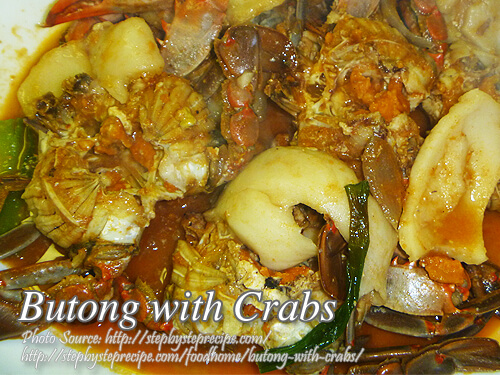
Most dishes from the Visayan regions are simple and natural. But you will be surprised that even a simple dish can be as delicious like the recipe of butong with crabs I have here. This authentic crab recipe is from Central Visayas Region VII. The crabs are cooked with buko (young coconut) meat and coconut water and of course with aromatics like garlic, onions, green onions and tomatoes. The dish is called butong with crabs. “Butong” is a Visayan dialect which means young coconut and it is obvious that the dish originate from that region.
A Simple Dish I Learned From Home: Butong with Crabs
I grew up believing that the best Filipino dishes were not the most complicated ones. Some of them barely needed a recipe, just a memory. This is how I learned butong with crabs. My Uncle Rene from Bohol used to cook this whenever fresh crabs were plentiful. He never wrote anything down. He just cooked by instinct, tasting as he went, always saying that young coconut already brings its own flavor, so you do not need to force it.
The first time I tried cooking it myself, I remembered how my aunt Lina laughed when I asked how much water to add. She said, “If the buko water smells sweet, that’s enough.” That stuck with me. This dish taught me to trust ingredients more than measurements.
Where Butong with Crabs Comes From
Most dishes from the Visayan regions are rooted in what grows nearby. In Central Visayas, coconuts are everywhere. Crabs are easy to find along the coast. Combining the two was almost inevitable. The word “butong” means young coconut in Visayan, which already tells you how important that ingredient is.
When my sister May went to Cebu for a short work assignment, she came back craving this dish. She said the version she tasted there was lighter than what we usually cook in Manila kitchens. Less oil, fewer seasonings, and more focus on the natural sweetness of coconut and seafood. That trip reminded me that butong with crabs is meant to be clean-tasting and comforting, not heavy.
Preparing the Crabs the Old-Fashioned Way
The first step is cooking the crabs on their own. My Uncle Rene always boiled them until just cooked, never longer. This matters because overcooked crabs lose their sweetness and turn stringy. By cooking them separately first, you lock in their flavor and make them easier to handle later.
Cutting the crabs in half exposes the meat and allows it to absorb the coconut broth later on. This is one of those simple techniques that works quietly in the background. You do not notice it while cooking, but you taste the difference when you eat.
Building Flavor With Aromatics and Young Coconut
In the pan, garlic, onions, and tomatoes go in first. My mother always said tomatoes are there not to make the dish sour, but to round out the sweetness. When they soften, the grated young coconut is added. This step is important because sautéing the buko meat releases its aroma and lightly toasts it, giving the broth more depth.
Adding water at this stage helps extract flavor from both the aromatics and the coconut. Some cooks use coconut water if they have it, and that makes the dish even better. This gentle simmer is what creates the signature broth of butong with crabs, mild but layered.
Why Simmering Matters in Butong with Crabs
Once the crabs are added back into the pan, the dish is covered and left to cook. Covering traps steam and allows the flavors to mingle without reducing the liquid too quickly. This technique works especially well for beginner cooks because it prevents burning and keeps everything moist.
The short cooking time also protects the crab meat. Crabs are already cooked, so they only need enough time to warm through and soak up the coconut broth. This is why the dish stays tender and clean-tasting.
Finishing Touches That Make a Difference
Green onions are always added last. My brother Paolo once added them too early and wondered why the dish tasted flat. Fresh green onions bring a light sharpness that wakes up the sweetness of the coconut. Cooking them briefly keeps their flavor bright.
When I serve butong with crabs, I usually let it rest for a few minutes off the heat. This allows the flavors to settle. It is a small step, but it makes the dish taste more balanced.
Why This Dish Still Matters Today
In a time when recipes keep getting more complicated, dishes like this remind us that Filipino cooking does not need excess. Butong with crabs reflects a way of cooking that respects ingredients and place. It is food that tells you where it came from without saying a word.
For beginners, this dish is a gentle introduction to seafood cooking. It teaches timing, restraint, and trust in natural flavors. Every time I cook it, I think of my relatives gathered around the table, cracking crab shells with their hands, sipping rice and broth together. That, to me, is the real heart of butong with crabs.
How to Cook Butong With Crabs
Ingredients
- 3 pcs boiled big crabs cut into halves (blue crabs or mud crabs)
- 2 and 1/2 cups grated buko meat young coconut meat
- 2 tablespoons cooking oil
- 1 teaspoon minced garlic
- 2 tablespoons sliced onion
- 1/4 cup sliced tomatoes
- 1 cup coconut water
- 1/4 teaspoons salt
- 2 tablespoons green onions
Instructions
How to cook butong with crabs:
- Boil or steam the big crabs until cooked. Cut into halves.
- Sauté garlic, onion, tomatoes and grated buko meat. Add water and season with salt.
- Add crabs. Cover and cook 10 minutes.
- Drop green onions and cook 2 minutes longer before removing from fire. Makes 6 servings.
Notes
Cooking Tips:
Choose Crabs That Are Still Lively
Always buy crabs that are alive and active because this ensures the meat is sweet and fresh. Dull-looking or slow-moving crabs usually mean they have been sitting too long. Fresh crabs make a big difference in a simple dish like butong with crabs since there are very few ingredients to hide off flavors.Do Not Skip Sautéing the Young Coconut
Sautéing the grated young coconut before adding liquid helps release its natural aroma and sweetness. This step prevents the broth from tasting flat or watery. It also gives the dish a richer coconut flavor without needing coconut milk.Add Green Onions at the Very End
Green onions should be added just before turning off the heat to keep their flavor fresh and slightly sharp. Cooking them too long will make them limp and bland. This small detail helps balance the sweetness of the coconut and crabs in butong with crabs.