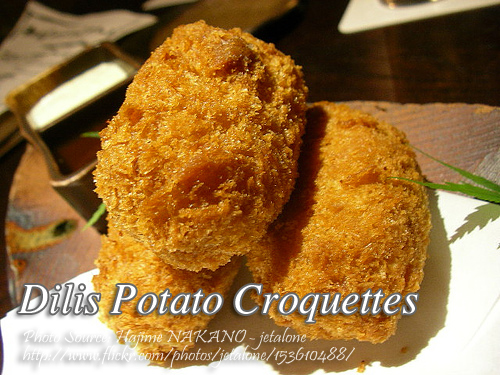
This potato croquettes contain “dilis” or anchovies that make an ordinary potato croquettes taste better. Anchovies are so small that it is hard to fillet or debone each of them so it requires a lot of patience. There are some supermarkets that sell frozen anchovy fillets or if you can find canned anchovies, the better.
Dilis Potato Croquettes: A Memory from Auntie Lorna’s Kitchen
I first learned about dilis potato croquettes on a quiet afternoon in my auntie’s kitchen in Quezon City. My Auntie Lorna was the kind of cook who never followed written recipes. She cooked by feel, by memory, and by what was available in the pantry. That day, she had leftover mashed potatoes from lunch and a small bowl of dried dilis she bought from the neighborhood market. Instead of making something ordinary, she smiled and said, “Sayang naman kung paulit-ulit lang,” and that was how this dish found its way onto our family table.
Back then, I did not realize how clever this combination was. Potatoes are mild and comforting, while anchovies bring depth and character. Together, they turn a simple croquette into something you remember long after the plate is empty.
Why Dilis Works in Potato Croquettes
Dilis, or anchovies, have always been part of everyday Filipino cooking. They are affordable, easy to store, and packed with flavor. My uncle Rene once told me that fishermen used to dry dilis right by the shore so nothing went to waste. That practicality carried over into home kitchens, where anchovies became a way to stretch meals without sacrificing taste.
In dilis potato croquettes, anchovies act as the main seasoning. Because they are naturally salty and savory, you need less added salt. Finely chopping or grinding the dilis helps distribute their flavor evenly. This matters because anchovies are small and intense. If left in large pieces, they can overpower a bite. When minced properly, they blend into the potatoes and make each mouthful balanced and satisfying.
A Family Technique for Better Texture
When my sister Maribel came back from a short stay in Batangas, she brought home a small tweak she learned from her host family. They added diced white bread to their croquette mixture. At first, I was skeptical, but it made sense once I tried it.
Bread acts as a binder and moisture absorber. Potatoes can become dense or gummy when overmixed. The bread softens the mixture and helps keep the inside light while the outside crisps up during frying. This is why chilling the mixture in the refrigerator for thirty minutes also works. The cold firms everything up, making the croquettes easier to shape and less likely to fall apart in hot oil.
These small techniques are especially helpful for beginners who are still getting comfortable with frying and texture control.
Cooking Dilis Potato Croquettes Step by Step
Making dilis potato croquettes starts with patience. If you are using whole dilis, chopping them finely takes time, but it is worth it. Some supermarkets sell frozen anchovy fillets or canned anchovies, which make preparation easier. Once chopped or ground, the dilis are combined with mashed boiled potatoes, garlic, parsley, onion, carrots, cumin, turmeric, and diced bread.
Mixing everything thoroughly ensures even seasoning. Covering and refrigerating the mixture allows the flavors to settle and improves structure. When shaping, one tablespoon at a time is ideal. Rolling the balls in flour creates a thin coating that turns crisp when fried.
Deep frying in hot oil seals the outside quickly. This prevents the croquettes from absorbing too much oil. When they turn golden brown, draining them on paper towels keeps them light and pleasant to eat.
A Dish with Nostalgia and Practical Roots
Dilis potato croquettes remind me of Sunday afternoons when cousins crowded around the table, dipping everything into ketchup or mayonnaise with hot sauce. This dish does not come from a single region, but it reflects a Filipino habit of adapting recipes based on what is available. Anchovies were common, potatoes were filling, and frying made everything feel special.
Historically, croquettes were influenced by Spanish cooking, but Filipinos made them their own by adding local ingredients like dilis. It is a quiet example of how our food culture evolves without losing its roots.
Serving and Sharing Dilis Potato Croquettes
For beginners, dilis potato croquettes are forgiving and flexible. They can be served as a snack, a side dish, or even a simple ulam with rice. They pair well with familiar condiments, which makes them appealing even to kids who might hesitate about anchovies.
Every time I make this dish, I think of Auntie Lorna and her instinctive cooking. This recipe is not about perfection. It is about using what you have, trusting simple techniques, and turning humble ingredients into something worth sharing.
How to Cook Dilis Potato Croquettes
Ingredients
- 1/2 kilo flesh dilis anchovies, deboned
- 1 and 1/2 slices white bread diced
- 2 cup potato boiled and mashed
- 1/8 tsp. garlic finely chopped
- 1 Tbsp. parsley minced
- 1 Tbsp. onions finely chopped
- 1/2 cup carrots chopped
- 1/2 to 1 tsp. salt
- 1/4 tsp. pepper
- 1/4 tsp. ground cumin
- 1/8 tsp. ground turmeric
- 1/2 cup all purpose flour
- oil for frying
Instructions
How to cook Dilis Potato Croquettes
- Finely chop dilis or grind in a food grinder.
- Transfer to a bowl and combine with the rest of the ingredients (boiled mashed potatoes, diced white bread, garlic, parsely, chopped onion, chopped carrots, salt, ground cumin, ground turmaric) except oil and flour.
- Mix thoroughly. Cover and refrigerate for 30 minutes.
- Shape one tablespoonful of mixture into balls and roll in flour.
- Deep-fry in hot oil until golden brown. Drain on paper towels.
- Serve hot with catsup or mayonnaise and hot sauce. Serves 8.
Notes
Cooking Tips:
Master the Moisture Balance
To ensure your croquettes hold their shape during frying, make sure your boiled potatoes are well-drained and the added bread is dry enough to absorb excess liquid. If the mixture still feels too wet or sticky after mixing, you can add a little more diced bread or a tablespoon of flour to help bind the ingredients together tightly. Chilling the formed balls for an extra ten minutes before rolling them in flour also helps firm up the starches, preventing them from falling apart in the hot oil.Perfect Frying Temperature
Deep-frying requires the oil to be moderately hot, around 350°F to 375°F, to ensure a crispy golden crust without absorbing too much grease. If the oil is not hot enough, the croquettes will act like sponges and soak up the fat, resulting in a soggy and unappetizing oily mess. Conversely, if the oil is smoking hot, the breading will burn instantly while the inside remains cold, so always test with a small piece of bread or potato first.Finely Grind the Dilis
Since anchovies have tiny bones and a distinct texture, it is crucial to grind or chop them as finely as possible to blend seamlessly with the mashed potatoes. A coarse chop might leave behind noticeable chunks that can be unpleasant to chew and may overpower the delicate balance of flavors in the dish. Using a food processor ensures a smooth paste that distributes the rich, salty umami flavor of the fish evenly in every single bite.

I love how you incorporated dilis into the recipe. I can’t wait to make this Filipino style dish.
Hi Ana, I’m glad you liked the recipe and thanks for visiting this blog!