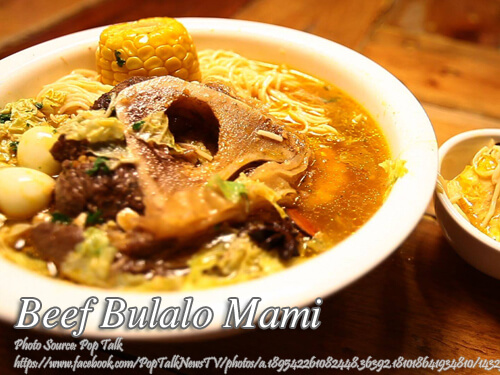
Beef bulalo mami is a variant of the famous beef mami. The difference is that beef bulalo mami uses beef shank with bone marrow in it which make the dish taste richer and more flavorful than using beef chunks or briskets. The bone and the bone marrow makes this mami dish a winner.
Actually, if you have tasted bulalo soup, the only difference it that it is a complete meal because it already has egg noodles and no need to eat it with rice. There are also choices on using the kind of noodles you want to put in this dish. You can either used fresh egg noodles (miki) or the dried egg noodles.
A Comfort Bowl of Beef Bulalo Mami from Family Kitchens
The first time I cooked beef bulalo mami on my own, I wasn’t trying to impress anyone. I was just hungry and missing home. It reminded me of rainy afternoons when my Uncle Rogelio would hover over a pot on the stove, lifting the lid now and then, saying the soup needs patience more than anything else. In our family, bulalo was always for sharing, but turning it into mami made it feel like a complete meal in one bowl. No rice, no extra ulam, just noodles, broth, and time.
This noodle soup is a close cousin of classic beef mami, but the use of beef shank with bone marrow changes everything. That bone is not just there for show. It slowly releases flavor into the broth, making each spoonful richer and more satisfying. If you’ve had bulalo soup before, this will feel familiar, just dressed up with egg noodles and a few thoughtful additions.
Why Beef Shank Makes This Mami Special
My sister Liza once brought home beef shank from a market in Batangas after tasting a local bulalo there. She said the secret was not fancy seasoning but the cut itself. Beef shank has connective tissue, tendons, and marrow, all of which break down slowly when cooked low and slow. This is why beef bulalo mami tastes fuller than versions made with brisket or plain beef chunks.
When the shank simmers for hours, the collagen melts into the broth. This gives the soup body without needing additives. Beginners sometimes rush this step, but letting the meat cook gently is what makes it tender and flavorful. The bone marrow also adds a subtle richness that coats the noodles nicely, making every bite feel comforting rather than heavy.
Building Flavor from the Very First Step
I learned from my cousin Marco that sautéing the garlic and onion before adding the meat makes a difference you can smell right away. Heating these aromatics in oil wakes them up and creates a deeper base flavor. When the beef shank is added and lightly browned, it develops a bit of caramelization. This step adds complexity to the broth later on, even though the soup looks simple.
Adding water just to cover the meat keeps the flavor concentrated. Too much water at the start can make the soup taste thin. As the broth boils, scum floats to the surface. Removing this keeps the soup clear and clean tasting. It might seem like a small thing, but it affects both appearance and flavor.
Slow Simmering and Why It Matters
My Uncle Rogelio used to say that bulalo cannot be rushed, and he was right. Lowering the heat and letting the pot simmer for a long time allows the tough parts of the beef shank to soften properly. This slow cooking is what turns chewy tendons into something pleasantly silky. Corn and peppercorns added early infuse sweetness and gentle heat into the broth as it cooks.
As water evaporates, adding more as needed keeps the meat submerged and cooking evenly. This steady simmer is the heart of beef bulalo mami, and it rewards patience with depth of flavor that beginners can achieve as long as they don’t crank up the heat.
Choosing Noodles for Beef Bulalo Mami
In our house, there was always a debate about noodles. My brother Anton prefers fresh miki because they feel softer and more substantial. I sometimes use dried egg noodles when that’s what’s on hand. Both work well. Fresh noodles soak up the broth quickly, while dried ones hold their shape a bit more. Either way, they turn the soup into a full meal.
The noodles are added near the end so they don’t overcook. This keeps them springy and pleasant to eat. Bouillon cubes and a splash of patis can be added at this stage to adjust seasoning, but it’s important to taste first. The broth from the bones already carries plenty of flavor.
Finishing Touches and Serving with Heart
Chinese cabbage goes in last because it wilts fast. Covering the pot briefly traps steam and cooks the vegetables gently, keeping their light sweetness. When serving, dividing the noodles first helps ensure everyone gets a fair share. The beef shank, corn, and cabbage follow, then the hot broth poured over everything.
Hard-boiled quail eggs, spring onions, and fried garlic are more than garnish. They add texture and aroma, making the bowl feel special. Served hot, beef bulalo mami becomes more than just soup. It’s a reminder of family kitchens, shared stories, and the kind of cooking that teaches beginners that good food comes from patience and care, not complicated steps.
How to Cook Beef Bulalo Mami
Ingredients
- 1 1/2 kilo bone in beef shank with bone marrow sliced to serving pieces
- 1 tsp. whole black peppercorns
- 1 pc large onion chopped
- 5 cloves garlic minced
- 1 pc medium Chinese cabbage cut into 2 inch lengths
- 2 whole corn on the cob cut into 2 inch pieces
- 200 grams dried egg noodles
- 2 pcs beef bouillon cubes
- 12 pcs hard-boiled quail eggs
- sliced spring onions
- fried garlic for garnishing
- 1 Tbsp. patis fish sauce (optional)
- salt and pepper to taste
Instructions
How to cook beef bulalo mami:
- In a medium size pot, saute garlic and onion until fragrant. The add the beef shank and saute until slightly brown.
- Add water just enough to cover the meat or about 8 cups. Add in the corn and peppercorns. Bring to a boil and remove the scum floating on the broth.
- Lower the heat and simmer until the meat and tendons are tender for about 2 to 3 hours. Add more water if necessary.
- Then add in the bouillon cubes, patis (if desired) and egg noodles. Cook for another 2 minutes. Next add in the Chinese cabbage and cover then simmer for 1 minute more. Adjust the seasonings with salt and pepper.
- To serve in individual bowls: divide the noodles in serving bowls, add one serving of beef shank, corn and cabbage. Pour some beef broth, add hard boiled quail eggs then garnish with spring onions and fried garlic. Serve hot.
Notes
Cooking Tips:
Take Time with the Simmer
Beef bulalo mami tastes best when the beef shank is cooked slowly over low heat. This allows the tendons and marrow to soften properly and release flavor into the broth. Rushing this step will give you tough meat and a thin-tasting soup.Skim the Broth for a Cleaner Flavor
As the soup boils, impurities will rise to the surface and form scum. Removing this early keeps the broth clear and prevents a bitter aftertaste. This small step makes beef bulalo mami look more appetizing and taste cleaner.Add Noodles and Vegetables at the End
Egg noodles cook very quickly and can turn mushy if added too early. Putting them in near the end helps them stay springy and absorb just enough broth. The same timing applies to cabbage so it stays tender but not overcooked.


Looking forward to cook this beef bulalo mami very soon! Thanks for this recipe!
Hi Gerry, I’m sure you can cook it perfectly! Thanks for your comment!