
Kalderetang labahita is actually a fish caldereta and I think this is the easiest version of caldereta I’ve seen. Ingredients are also simple and easy to find and using caldereta mix to hasten the cooking process. Fish is also healthier compared to beef, pork or chicken so even if you overeat it’s not as worry some compared to eating red meat with fat.
Kalderetang Labahita: A Fish Caldereta from Our Family Table
I grew up thinking caldereta was always heavy, rich, and reserved for special occasions. In our house, it usually meant beef caldereta simmering for hours, the kind my Uncle Ramon cooked every fiesta in Batangas. But everything changed the summer my sister Liza came home from a short stay in Quezon province. She brought with her a simpler, lighter version she learned from her host family, a humble fish stew they called Kalderetang Labahita.
At first, I was skeptical. Fish in caldereta sauce sounded unusual to me. But one bite, and I understood why this dish stuck with her. It had the familiar savory, slightly tangy flavor of caldereta, but it felt lighter on the stomach and quicker to cook. Since then, this version has become my go-to when I want comfort food without spending half the day in the kitchen.
What Makes Kalderetang Labahita Special
Labahita, also known as surgeonfish, is commonly sold in coastal markets. My cousin Nestor, who lives near the shore in Mindoro, once told me this was a fish they often cooked at home because it was affordable and meaty. It holds its shape well, which makes it perfect for stews like this.
Unlike beef or goat caldereta, Kalderetang Labahita cooks fast and absorbs flavors easily. The sauce still has that tomato-based richness, helped along by a ready-made caldereta mix, but the fish keeps everything balanced. For beginners, this dish is less intimidating because there’s no long braising time to worry about.
Preparing the Fish the Right Way
The first step I learned, straight from my aunt Melba, is never to skip the calamansi. Sprinkling calamansi juice over the labahita fillet does more than add flavor. It helps remove any fishy smell and lightly firms up the flesh. This makes the fish sturdier when fried.
Dredging the fish in flour before frying is another small but important technique. The flour creates a thin crust that seals in moisture and keeps the fish from falling apart later when it’s added back into the sauce. Frying until golden brown also adds a subtle texture that contrasts nicely with the soft vegetables and thick sauce.
Building Flavor with Simple Ingredients
When I cook Kalderetang Labahita, I always use a wide skillet, just like my uncle suggested. Sauteing garlic and onion first builds a strong flavor base. The smell alone already feels like home. Adding potatoes and carrots early allows them to absorb the oil and aromatics, which gives them more depth instead of tasting bland.
Letting the vegetables stir-fry before adding water is important. This step prevents them from becoming watery and helps them hold their shape. Once water is added and simmered briefly, the caldereta mix goes in. This mix is a beginner’s best friend. It combines tomato, spices, and seasonings in one packet, saving time without sacrificing flavor.
Why This Cooking Method Works
Simmering the sauce before adding the fish allows the flavors to develop fully. Bell peppers are added near the end because they cook quickly and are meant to stay slightly crisp. When the fried labahita is returned to the pan, it only needs a few minutes. Overcooking fish is a common mistake, especially for beginners, and this method helps avoid that.
This gentle simmer lets the fish absorb the sauce while keeping its texture intact. It’s the same advice my brother Carlo learned from a fisherman’s wife in Palawan. Fish should be treated gently, especially in saucy dishes.
A Brief Look at Caldereta’s Roots
Caldereta traces its roots to Spanish influence, originally made with goat meat and slow-cooked in a tomato-based sauce. Over time, Filipino kitchens adapted it based on what was available. That’s how versions using beef, chicken, and even seafood came to be. Kalderetang Labahita is one of those practical adaptations, shaped by coastal life and everyday cooking.
A Kalderetang Labahita Dish Made for Sharing
I often cook this dish on quiet weekends, when the house feels slower. It’s comforting without being heavy, familiar yet a little different. If you’re new to cooking Filipino food, this is a forgiving place to start. The steps are simple, the ingredients are easy to find, and the result feels like something passed down, even if you’re making it for the first time.
For me, Kalderetang Labahita isn’t just a recipe. It’s a reminder that good food doesn’t have to be complicated. Sometimes, it just takes a small tweak, a relative’s suggestion, or a memory from a province far from home to make a dish your own.
How to Cook Kalderetang Labahita
Ingredients
- 1 1/4 kilo Labahita fillets cut into chunks
- 2 pcs calamansi or 1 pc lemon extract the juice
- 1/2 cup all-purpose flour
- cooking oil for frying
- 1 Tbsp. cooking oil
- 2 cloves garlic minced
- 1 pc onion chopped
- 1 pc potato peeled and cut into cubes
- 1 pc small carrot peeled and cut into cubes
- 1/2 cup water
- 2 Tbsp. kaldereta mix powder dissolved in 1 cup water
- 1 pc green bell pepper sliced into strips or square
- 1 tsp. fine salt
Instructions
How to cook Kalderetang Labahita:
- Sprinkle fish with calamansi juice and mix to coat the fish well.
- Dredge in flour and fry in hot oil until golden brown. Set aside.
- In a skillet heat oil and saute garlic and onion, then follow the potatoes and carrots.
- Stir fry until the potatoes and carrots are tender.
- Add water and simmer for a few minutes then pour the kaldereta mix.
- Season with salt then add bell peppers and simmer again for a few seconds.
- Add the fried fish and simmer again for a few minutes. Serve hot.
Notes
Cooking Tips:
Choose Fresh and Firm Labahita
Always select labahita fillet that smells clean and feels firm to the touch, as freshness greatly affects the final taste. Fresh fish holds its shape better during frying and simmering. This prevents the fish from breaking apart once added back into the sauce.Do Not Skip the Frying Step
Frying the fish before adding it to the sauce helps lock in moisture and flavor. The light crust also protects the fish from overcooking during simmering. This step keeps the fish tender while allowing it to absorb the caldereta sauce.Control the Simmering Time
Once the fish is added to the sauce, keep the simmer gentle and short. Overcooking can make the fish dry and flaky instead of soft. A few minutes is enough for the flavors to blend without compromising texture.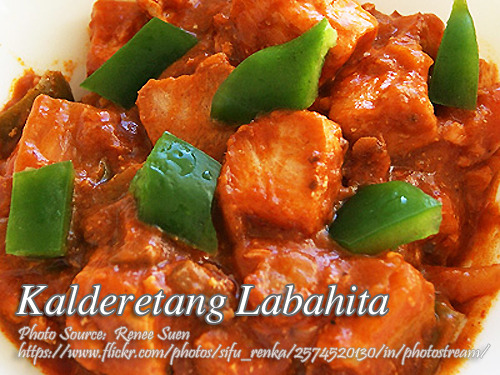




What kind of fish can you use if there is no Labahita in Sydney. Thanks
Hi Vicky, you can substitute it with lapu-lapu (grouper) or talakitok (jack/trevally) or any white flesh fish.