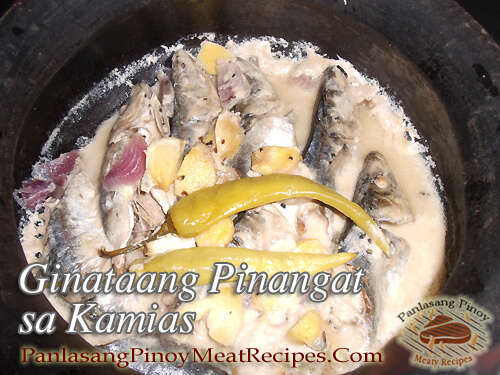
Galunggong is used to be the cheapest fish you can find in the market and there are many dishes that can be made with this fish. But nowadays I think this is not cheap anymore maybe because is it not as abundant as before unlike in our early years in the 60’s or 70’s and due to over fishing. It think tilapia is the cheapest fish I can find in the wet market. This dish is somewhat similar to paksiw but instead of using vinegar as a souring agent, kamias fruit, which is very sour, is used in cooking the dish. It is also mixed with coconut milk.
Ginataang Pinangat and a Kitchen Memory from Home
The first time I cooked ginataang pinangat on my own, I was already an adult with a small kitchen and a bigger appreciation for simple food. I learned this dish not from a cookbook but from watching my Uncle Nestor cook during long summer afternoons in Bicol. He always said galunggong was the fish you cooked when money was tight but family was plenty. Back then, it really was the cheapest fish you could find. He used to joke that you could buy a whole basket for the price of one dressed chicken.
This coconut milk dish has roots in everyday Filipino cooking, especially in coastal areas where fish and gata were always within reach. Over time, ginataang pinangat became a comfort food in our family. It showed up on the table without ceremony, usually paired with steaming rice and eaten quietly while the rain poured outside. When my sister Liza moved back from Laguna, she cooked this same dish for us, using kamias she picked from a neighbor’s tree. That sour note brought everything together and instantly brought back memories of home.
Why Kamias Works in Ginataang Pinangat
What makes this version special is the use of kamias instead of vinegar. Kamias has a sharp, clean sourness that softens as it cooks. When added early in the pot, it gently breaks down and flavors the broth without overpowering the fish. This is important for beginners to understand because galunggong is delicate. Too much acid too fast can toughen the flesh.
In ginataang pinangat, the kamias is placed at the bottom of the pan along with onions and tomatoes. This layering is something my uncle insisted on. He explained that the aromatics act as a cushion, preventing the fish from sticking and burning. As everything simmers, the sourness from the kamias blends with the natural sweetness of the tomatoes and the richness of the coconut milk added later.
Cooking the fish over low heat is another technique that matters. Gentle heat allows the galunggong to cook evenly while absorbing the flavors underneath. Rushing this step is one of the most common mistakes beginners make.
Cooking Ginataang Pinangat the Way My Family Does It
The process is simple but thoughtful. The kamias is sliced lengthwise so more surface area touches the liquid. This helps release its flavor slowly. Water and a bit of oil are added to help start the cooking process without scorching the ingredients. Patis, salt, and a small pinch of vetsin are used sparingly. My mother always said these should enhance, not dominate.
Once the fish is arranged on top, the pan is covered and left alone. This steaming phase is where the magic happens. The fish cooks in its own juices, infused with sour and savory notes. Only after the galunggong is fully cooked do you add the coconut cream. This timing matters because coconut milk can curdle if boiled too hard or too long.
Stirring gently after adding the cream keeps the sauce smooth. My brother Paolo learned this the hard way when he stirred too aggressively and broke the fish apart. Five minutes is enough to marry the flavors. Any longer and the coconut milk loses its fresh taste.
A Dish with History and Heart
Ginataang pinangat reflects how Filipino cooking adapts to what is available. In the past, galunggong was abundant and affordable. Today, many families substitute tilapia or other fish, but the method remains the same. The use of kamias points to a time before bottled vinegar was common, when souring agents came straight from the backyard.
For beginners, this dish is forgiving and practical. It teaches patience, gentle heat, and respect for ingredients. More than that, it tells a story. Every time I cook ginataang pinangat, I remember those afternoons in my uncle’s kitchen, the sound of simmering gata, and the way simple food brought everyone to the table.
If you are new to Filipino cooking, let this be one of your starting points. It is humble, deeply flavorful, and rooted in everyday life. That is what makes it worth cooking again and again.
How to Cook Ginataang Pinangat sa Kamias
Ingredients
- 1/2 kilo fresh small galunggong scad fish
- 5 to 6 tomatoes quartered
- 1 pc large onion chopped
- 6 to 7 pcs large kamias
- 1 Tbsp. salt
- 1 Tbsp. patis
- 1 Tbsp vetsin or MSG
- 2 Tbsp. cooking oil
- 3/4 cup water
- 1 and 1/2 cup coconut cream thick
Instructions
How to cook Ginataang Pinangat sa Kamias:
- Cut off ends of kamias. Slice into halves, lengthwise. Put on a shallow pan, add onion and tomatoes.
- Pour in water and cooking oil, add patis, salt and vetsin.
- Arrange galunggong on top of mixtures. Cover and cook for 15 - 20 minutes over low heat.
- Add coconut cream. Stir gently so the cream would not curdle. Cook for another 5 minutes.
Notes
Cooking Tips:
Keep the Heat Low for Tender Fish
Ginataang pinangat is best cooked over low heat to keep the fish tender and intact. High heat can cause galunggong to toughen and break apart before it absorbs the flavors. Slow simmering allows the sourness of the kamias and the richness of the coconut milk to blend smoothly.Layer the Ingredients Instead of Stirring Early
Placing the kamias, onions, and tomatoes at the bottom of the pan protects the fish from direct heat. This technique helps prevent sticking and burning while creating a flavorful base. Avoid stirring until the fish is fully cooked to keep it whole and presentable.Add Coconut Milk at the Right Time
Coconut milk should be added only after the fish is cooked through. Adding it too early or boiling it aggressively can cause the sauce to curdle and lose its creamy texture. Gentle stirring at the end keeps the ginataang pinangat rich, smooth, and well-balanced.