
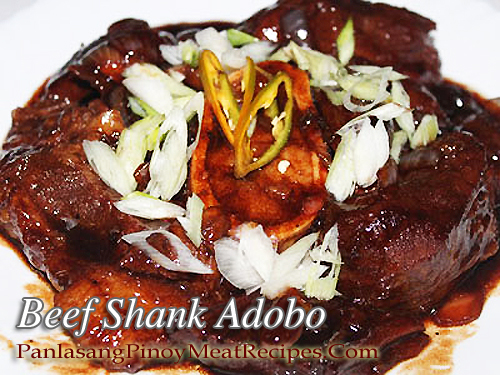
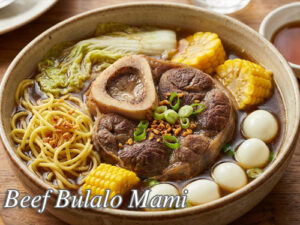
Sometimes when we cook nilagang bulalo or beef shank soup there are left overs. There are other dishes that you can make if there are many left overs specially the meaty parts. You can make adobong bulalo or asadong bulalo.
Adobong Bulalo: A Delicious Way to Transform Leftover Beef Shank
If you’ve ever cooked a big pot of nilagang bulalo, you know how satisfying it is to gather around the table and enjoy the rich broth, tender beef, and vegetables. But once the soup is gone, there’s often plenty of meat still clinging to the beef shank. Instead of simply reheating the leftovers the next day, turn them into adobong bulalo, a hearty Filipino dish that gives the beef a whole new personality.
This recipe is one of those practical home-cooking techniques many Filipino families have relied on for years. Leftovers rarely go to waste because they’re transformed into another meal that’s just as delicious, if not even better. The rich, slow-cooked beef absorbs the savory, tangy adobo sauce beautifully, making every bite tender, flavorful, and worth looking forward to.
The first time I made this dish was after a weekend family lunch. We had more beef shank left than anyone expected, and throwing it back into the soup felt repetitive. Simmering it in a classic adobo-style sauce turned out to be the better choice. The beef developed a deeper color, the sauce reduced into a glossy coating, and even those who had already eaten bulalo the day before happily came back for another serving.
Why Adobong Bulalo Works So Well
The beauty of adobong bulalo comes from starting with beef that’s already tender. Whether you’re using leftover nilagang bulalo or freshly cooked beef shank, the meat has already spent enough time cooking to break down its connective tissues. That means it doesn’t need another long simmer to become soft.
Instead, the second cooking focuses on building flavor.
As the beef cooks with garlic, onion, oyster sauce, vinegar, and a little sugar, it absorbs the savory sauce while keeping its juicy texture. The collagen remaining in the meat and around the bone also helps create a naturally rich sauce with very little effort.
If you’re starting with raw beef shank instead of leftovers, don’t rush the first step. Boil it until fork tender or use a pressure cooker to shorten the cooking time. Tough beef won’t magically soften during the short adobo simmer, so it’s important to cook it properly from the beginning.
A Little History Behind This Comforting Dish
Many Filipino recipes have evolved from the simple habit of making the most of every ingredient. Long before refrigerators became common, leftover meats were often cooked again with vinegar because its acidity helped preserve food while adding plenty of flavor.
That’s one reason variations like adobong bulalo, asadong bulalo, and other leftover-based dishes became household favorites. Instead of serving the same meal twice, home cooks found creative ways to give yesterday’s ingredients an entirely different taste.
This practical style of cooking is still popular today because it stretches ingredients without sacrificing quality. In fact, many people feel the beef tastes even better after spending another few minutes in the flavorful sauce.
Preparing the Beef Shank
If you’re using leftover nilagang bulalo, simply remove the beef shank from the broth. Keep some of the soup stock because you’ll need it later when making the sauce.
If you’re cooking fresh beef shank, place it in a pot with enough water to cover the meat. Adding half of a peeled onion while boiling helps remove some of the stronger beef aroma and gives the broth a mild sweetness. Simmer until the meat becomes very tender, or use a pressure cooker if you’re short on time.
A simple way to check doneness is by inserting a fork into the thickest part of the meat. If it slides in without much resistance, it’s ready for the next step.
Don’t throw away the broth. It carries plenty of beef flavor and makes a much richer cooking liquid than plain water.
Building the Flavor for Adobong Bulalo
Heat a little cooking oil in a deep pan or wok before sautéing the garlic and onion until fragrant. This step may seem simple, but it creates the flavor base of the entire dish.
Allow the garlic to turn lightly golden instead of dark brown. Burnt garlic introduces bitterness that can overpower the finished sauce.
Once the onions soften, add the cooked beef shank. Let the meat fry gently for about three minutes before adding any liquid.
This brief frying step develops more flavor through browning. You’ll notice the outside of the beef becoming slightly caramelized while some of the natural fat renders into the pan. Those browned bits eventually dissolve into the sauce, adding even more richness.
Pour in the reserved soup stock together with pepper and allow everything to simmer for several minutes.
Next comes the combination that gives adobong bulalo its signature taste: oyster sauce, vinegar, and sugar.
After adding the vinegar, resist the temptation to stir immediately. Let it boil undisturbed for a minute or two first. This traditional technique allows the sharp acidity to mellow naturally before mixing with the other ingredients. The result is a smoother, more balanced flavor instead of an overly sour sauce.
How to Know When It’s Ready
One thing I learned after making this dish several times is not to rely only on the clock.
The sauce tells you when it’s ready.
As it simmers, you’ll notice large bubbles slowly becoming smaller and thicker. The liquid changes from watery to glossy, and when you gently stir the pan, the sauce lightly coats the beef instead of immediately running off.
That’s usually the perfect time to turn off the heat.
Avoid reducing the sauce too much because it will continue to thicken slightly as it cools. Overcooking can also make the beef dry, even if it started out tender.
Helpful Tips for Beginners
Making adobong bulalo is straightforward, but a few small details make a noticeable difference.
Taste the broth before adding oyster sauce. If your leftover bulalo was already well seasoned, you may need slightly less oyster sauce than expected.
If the vinegar tastes too sharp after simmering, add another teaspoon of sugar rather than pouring in more oyster sauce. A little sweetness balances acidity without making the dish overly salty.
If your sauce becomes thicker than you’d like, simply stir in a splash of the reserved broth until it reaches your preferred consistency.
For beef cooked from scratch, don’t skip the initial tenderizing step. The short finishing simmer is designed to build flavor rather than soften tough meat.
Serving Adobong Bulalo
Like many Filipino adobo dishes, adobong bulalo tastes wonderful with hot steamed rice. The thick sauce naturally soaks into the rice, making every spoonful satisfying.
Some families enjoy serving it with sliced tomatoes on the side for freshness, while others pair it with pickled vegetables to cut through the richness of the beef. The flavors become even deeper after resting for several hours, making leftovers perfect for lunch the following day.
This dish also reheats well over low heat. If the sauce has thickened overnight, simply add a small splash of the reserved broth or water while warming it.
A Leftover Worth Looking Forward To
One of the nicest things about adobong bulalo is that it changes the way you look at leftovers. Instead of feeling like yesterday’s meal all over again, it becomes a comforting dish with its own distinct flavor and character.
It’s a reminder that good home cooking isn’t always about starting from scratch. Sometimes the best recipes come from making the most of what’s already in your kitchen. With tender beef shank, a flavorful adobo-inspired sauce, and a few simple techniques, you can turn leftover bulalo into a meal that’s rich, satisfying, and every bit as memorable as the original pot of soup.
How to Cook Adobong Bulalo (Beef Shank Adobo)
Ingredients
- 1 and 1/2 kilo boiled Bulalo or beef shank bone-in
- 1/8 cup oyster sauce or soy sauce
- 1/2 cup soup stock from the boiled beef shank or bulalo
- 1/8 cup vinegar
- 1 Tbsp. sugar
- 1/2 tsp. ground pepper
- 2 Tbsp. cooking oil
- 1/2 head garlic crushed
- 1 pc medium onion chopped for sauteing
Instructions
How to Cook Adobong Bulalo or Beef Shank Adobo:
- You can get the beef shank from a nilagang bulalo dish but if you don't have any you can boil the beef shank until the meat is tender. You can use a pressure cooker to speed up the cooking. (Before boiling the beef shank, put 1 pc peeled onion, sliced in half.)
- Remove the cooked bulalo from the soup stock and get the meat with the bone shank.
- In a deep pan or wok, heat the cooking oil and saute garlic and onion.
- Then follow the beef shank or bulalo and stir fry with the sauteed garlic and onion.
- Allow the beef to fry a little bit for 3 minutes. Then pour the soup stock and pepper.
- Simmer for 5 minutes then add the oyster sauce, vinegar and sugar.
- When the sauce becomes thick, remove from fire and serve hot.
Notes
Use Tender Beef Shank
The success of adobong bulalo starts with beef shank that is already tender before making the sauce. If the meat is still chewy, continue simmering it or use a pressure cooker until a fork slides in easily. Tender beef absorbs the adobo flavors better and stays juicy during the second cooking.Let the Vinegar Cook Undisturbed
After adding the vinegar, avoid stirring it right away and let it boil for a minute or two. This traditional technique allows the sharp acidity to mellow naturally, giving the sauce a smoother and more balanced flavor. Once the vinegar has cooked, you can stir everything together without leaving a harsh sour taste.Reduce the Sauce Gently
Simmer the sauce over medium to low heat until it lightly coats the beef shank instead of rushing the process over high heat. Gentle reduction concentrates the flavors without burning the sugars in the sauce or drying out the meat. Stop cooking once the sauce becomes glossy because it will continue to thicken slightly as it cools

Bakit wala pong video. Mas makakatulong po yun 🙁 pro thanks anyway. Try ko nlg kung kaya ko. Hindi po talaga ako marunong mg luto po eh.
@Rachelle Hindi naman po mahirap magluto kayang kaya nyo po yun.