
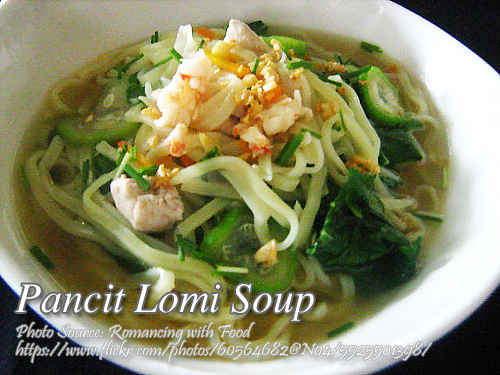
Pancit lomi soup is a Filipino Chinese noodle dish made from thick fresh egg noodles or commonly known as miki. There are also varieties of miki depending on the thickness of the noodles. Unlike the popular lomi with a thick sauce, this recipe is a simple lomi soup this without the thickening agent. Its similar to chicken or beef mami containing noodles and soup stock.
A Humble Bowl of Pancit Lomi Soup at Home
Growing up, rainy afternoons always meant something warm simmering in the kitchen. My Tita Lorna would stand over a large casserole, gently stirring what she called her version of pancit lomi soup. It wasn’t the thick, starchy kind you usually find in Batangas. Hers was lighter, more like a comforting noodle broth, closer to mami but with that unmistakable lomi character.
She learned it from my Uncle Boyet, who spent a few years working in a small eatery in Laguna. According to him, the secret wasn’t in making the broth heavy but in letting the natural flavors build slowly. I remember watching them cook together, arguing lightly about how long the pork bones should simmer. In the end, the kitchen always smelled amazing, and we were the lucky ones waiting at the table.
What Makes Pancit Lomi Soup Different
Unlike the traditional thick version, pancit lomi soup skips the cornstarch slurry. This means the broth stays clear and light, allowing the ingredients to shine on their own. The star of the dish is still the miki noodles, those soft, slightly chewy egg noodles that soak up all the flavors.
This style of cooking actually makes a lot of sense, especially for beginners. Without the thickening step, there’s less risk of overcooking or ending up with a gluey texture. Instead, the focus shifts to building a rich, clean broth.
Historically, lomi traces its roots to Filipino-Chinese cuisine, where noodle soups were adapted to local tastes. Over time, different regions developed their own versions. Some went thick and hearty, while others, like this one, leaned toward a simpler, soup-based approach.
Building Flavor for Pancit Lomi Soup
When my cousin Marlon tried recreating this dish for the first time, he rushed the broth and couldn’t figure out why it tasted flat. That’s when Tita Lorna told him the most important step: patience.
Simmering pork bones and pork belly over low heat allows the collagen and natural fats to slowly release into the water. This is what gives the broth its depth and slightly silky mouthfeel, even without thickening agents. Seasoning early with salt also helps the flavor penetrate the meat as it cooks.
Once the pork belly becomes tender, slicing it into strips makes it easier to eat and helps distribute the meat evenly in every bowl. Meanwhile, adding shrimp heads and shells to the broth is a trick my uncle swears by. It intensifies the flavor, giving the soup a subtle seafood sweetness that balances the richness of the pork.
Cooking the Ingredients the Right Way
I remember my sister Mae coming home from Quezon and insisting we sauté the toppings separately. At first, it seemed like an extra step, but she explained that stir-frying the pork slices, shrimp, and vegetables brings out their natural flavors.
Heating oil and quickly cooking the ingredients keeps the vegetables crisp-tender instead of soggy. This contrast in texture makes the dish more enjoyable. A splash of soy sauce at this stage adds a savory depth that complements the broth later on.
The noodles also need a bit of care. Boiling the miki for just a few minutes softens them without making them mushy. Rinsing them in cold water stops the cooking process and removes excess starch. This step is important because it keeps the pancit lomi soup from becoming cloudy or overly thick.
Bringing Pancit Lomi Together
Once everything is ready, assembling the dish is the most satisfying part. The strained broth goes back into the pot, now clean and full of flavor. Adding the cooked noodles allows them to absorb the rich stock without overcooking.
Serving the soup with the sautéed pork, shrimp, and vegetables on top gives each bowl a generous mix of textures and flavors. The final touch, for me, has always been the fried shallots. I still remember the crackling sound as they hit the oil and the aroma that filled the kitchen.
Sprinkling them over the bowl adds a light crunch and a hint of sweetness. A bit of fresh wansuy brings brightness, cutting through the richness of the soup.
Why Pancit Lomi Feels Like Home
There’s something about pancit lomi soup that feels deeply comforting. Maybe it’s the way the broth warms you from the inside, or how every ingredient comes together so simply yet so perfectly.
For beginners, this dish is a great introduction to Filipino noodle soups. It teaches you how to build flavor step by step without relying on complicated techniques. More than that, it reminds you that good food doesn’t have to be fancy. Sometimes, all it takes is time, patience, and a few stories shared in the kitchen.
Even now, whenever I make pancit lomi soup, I think of those afternoons with my family. The laughter, the small debates over cooking methods, and the quiet moments while waiting for the broth to simmer. It’s more than just a recipe. It’s a memory you can taste in every spoonful.
How to Cook Pancit Lomi
Ingredients
- 1 kilo pork bones
- 1/2 kilo pork liempo pork belly
- 1/2 kilo small shrimp
- 2 pc carrots peeled and cut in strips
- 5 pcs kikiam sliced diagonally (optional)
- 6 pcs squid balls sliced in half (optional)
- 1/4 kilo cabbage cut In strips
- 3 Tbsp. soy sauce
- 1 kilo lomi noodles
- 1 bunch sibuyas Tagalog small red onions
- 1 bunch wansuy
Instructions
How to Cook Pancit Lomi:
- In a large casserole put in pork bones and pork belly.
- Cover with about 12 cups of water and cook over a very low fire. Season with salt.
- When pork belly is tender, remove from casserole and slice into 1/4 x 1/2 x 1 inch strips and set aside.
- Shell shrimps and set aside. Add the shrimp heads and shells to the soup stock and continue cooking.
- In a separate pan, heat 2 tablespoons cooking oil. Stir fry, sliced pork, shrimps, carrots, kikiam, squid balls and cabbage.
- Cook until vegetables are crisp tender. Add soy sauce.
- Peel shallots and slice thinly. Fry until lightly browned and crisp.
- In another pot boil water and drop lomi noodles. Cook for about 3 minutes.
- Put in a colander and rinse with cold water.
- Strain soup stock and add cooked lomi noodles.
- Serve soup and noodles in a bowl topped with the pork and vegetables.
- Sprinkle with the fried shallots and garnish with wansuy.
Notes
Cooking Tips:
Simmer the Broth Low and Slow
For a richer pancit lomi soup, cook the pork bones and belly over very low heat instead of rushing the process. This allows collagen and natural fats to slowly release, creating a deeper and more flavorful broth. A gentle simmer also keeps the soup clear rather than cloudy.Don’t Skip the Shrimp Heads and Shells
Adding shrimp heads and shells to the broth gives pancit lomi soup a subtle seafood sweetness that balances the pork. It’s a simple technique that boosts flavor without needing extra seasonings. Just remember to strain the stock well to remove any bits before serving.Cook Noodles Separately for Better Texture
Always boil the miki noodles in a separate pot before adding them to the pancit lomi soup. This prevents excess starch from thickening the broth and keeps the texture clean and light. Rinsing them briefly in cold water also stops overcooking and keeps them pleasantly chewy.



Thanks for this wonderful lomi recipe!
Hi Erwin, you’re welcome!