
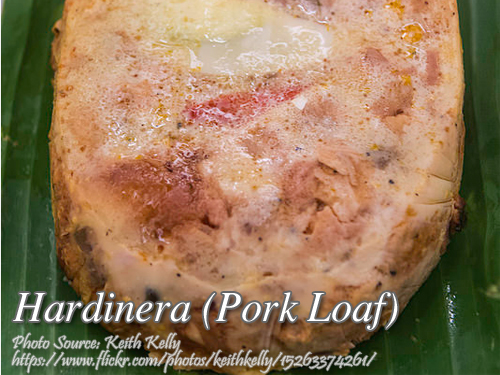
This hardinera recipe is a modified version of hardinera from Quezon province which is their version of embutido. I think the original hardinera recipe does not have pineapples. Raisins is I think the only dried fruit mixed in this recipe along with the rest of the ingredients below. You can enhance the sweet and sour taste of this recipe by adding more pineapple chunks and a few teaspoons of pineapple syrup.
Hardinera, a Quezon Favorite Worth Trying at Home
If you’ve ever enjoyed embutido during family celebrations, you’ll probably find hardinera both familiar and pleasantly different. This classic dish from Quezon province is often described as the region’s own version of pork loaf, but it has a richer, creamier filling and a distinct sweet and savory flavor that makes it stand out on any Filipino table.
Unlike the usual embutido that’s wrapped in foil, this traditional pork loaf is steamed in a llanera, giving it a smooth, compact shape that’s easy to slice and serve. Every bite is packed with seasoned pork, vegetables, luncheon meat, hotdogs, pineapple, and creamy ingredients that blend together into a hearty dish that’s equally welcome during fiestas, birthdays, or even Sunday family lunches.
This version is slightly different from the traditional Quezon recipe. The original is believed to rely more on raisins for sweetness and doesn’t always include pineapple. Adding pineapple chunks and a little pineapple syrup gives the loaf a brighter sweet and tangy flavor that balances the richness of the meat. It’s a simple adjustment, but one that many home cooks, myself included, have come to appreciate after making this recipe several times.
What Makes It Different from Embutido?
At first glance, it’s easy to mistake hardinera for embutido because both are steamed pork loaves filled with colorful ingredients. Once you taste them side by side, however, the differences become much more noticeable.
This Quezon specialty has a softer, creamier texture thanks to the addition of cream and cream of mushroom. Instead of relying mainly on breadcrumbs, it uses a small amount of flour to help bind everything together while keeping the finished loaf moist.
The pineapple also contributes more than sweetness. As it steams, the fruit releases a little juice that keeps the meat tender and prevents the loaf from tasting dry. The slight acidity cuts through the richness of the pork, making each slice feel lighter than you might expect.
A Little History Behind Hardinera
Like many beloved Filipino recipes, hardinera reflects a blend of local ingredients and Spanish influence. The name itself comes from the Spanish word jardinera, meaning “garden style,” possibly referring to the colorful mix of vegetables scattered throughout the meat.
Over time, families in Quezon developed their own versions, passing recipes from one generation to the next. Some include chorizo, while others add more liver spread or use different cured meats depending on what was available. That’s one of the reasons you’ll rarely find two identical recipes. Every household seems to have its own favorite combination, making this dish a wonderful example of Filipino home cooking.
Preparing the Pork Mixture for Hardinera
The first step is sautéing the ground pork with onion and garlic until the meat loses its pink color. This may seem like an extra step since the loaf will be steamed later, but it actually makes a noticeable difference.
Cooking the pork beforehand allows excess moisture to evaporate. If you skip this step, the mixture can become watery while steaming, making the finished loaf too soft and difficult to slice neatly.
Once the pork is cooked, stir in the liver spread while the meat is still hot. The residual heat melts it quickly, coating every bit of pork with rich flavor. Let the mixture cool slightly before combining it with the remaining ingredients. Mixing very hot pork with eggs can cause the eggs to cook too early, creating small scrambled bits instead of a smooth mixture.
Mixing the Ingredients
In a large bowl, combine the cooked pork with diced carrots, pickles, luncheon meat, hotdogs, pineapple chunks, Nestlé cream, cream of mushroom, and the beaten eggs. Sprinkle in the flour and stir until everything is evenly distributed.
At first, the mixture may seem softer than expected because of the cream and pineapple. Resist the temptation to keep adding flour. Too much flour can make the finished loaf dense instead of tender. After steaming, the eggs and flour work together to firm everything up naturally.
If you’d like a sweeter version, adding a few teaspoons of pineapple syrup is an easy way to boost the sweet and sour flavor without overpowering the savory ingredients. I usually taste the mixture before transferring it to the mold so I can adjust the seasoning while it’s still easy to fix.
Steaming Hardinera the Right Way
Transfer the mixture into a lightly greased llanera or steaming pan, smoothing the top with the back of a spoon. Steam for about two hours over gentle, steady heat.
One mistake beginners often make is using very high heat. Vigorous boiling creates too much steam, causing water droplets to collect under the lid and drip onto the loaf. Excess water can leave the surface uneven or create pockets of moisture that affect the texture.
A simple kitchen trick is wrapping the steamer lid with a clean kitchen towel. The towel absorbs condensation before it falls back onto the food, resulting in a smoother, firmer finish.
You’ll know the loaf is done when the center feels firm and a skewer inserted into the middle comes out clean.
Why the Texture Changes During Cooking
One of the most satisfying parts of making hardinera is watching the mixture transform during steaming. What starts as a loose combination gradually becomes a firm yet tender pork loaf.
This happens because the proteins in the eggs set as they cook, holding the meat and vegetables together. Meanwhile, the flour absorbs excess moisture, giving the loaf enough structure to slice cleanly after resting.
Allowing the loaf to cool for several minutes before slicing is another small step that’s worth the wait. Fresh from the steamer, it’s still very delicate. As it rests, the juices redistribute and the texture becomes much easier to cut without falling apart.
Serving Hardinera
Traditionally, it is served with hard-boiled eggs arranged on top, adding extra color and richness to every serving. It’s delicious warm alongside steamed rice, but leftovers are just as enjoyable the next day.
In fact, I often think the flavors become even better after resting overnight in the refrigerator. The seasonings have more time to blend, making each slice taste richer and more balanced. Simply reheat gently by steaming or microwaving until warmed through.
Because it’s easy to prepare ahead, this pork loaf is an excellent choice for parties and holiday gatherings. You can make it a day in advance, refrigerate it, and simply warm it before serving.
Helpful Tips for First-Time Cooks
Making this for the first time can feel intimidating because of the number of ingredients, but the process itself is surprisingly forgiving. Cut the vegetables and meat into evenly sized pieces so every slice holds together nicely and looks attractive when served.
Avoid overmixing once the eggs and flour are added. Stir only until everything is well combined. Overworking the mixture can compress the meat, producing a firmer texture than intended.
If your mixture looks slightly creamy before steaming, don’t worry. That’s completely normal. As long as you’ve measured the ingredients properly, the long steaming time will transform everything into a beautifully set pork loaf.
Whether you’re preparing it for a special celebration or simply exploring regional Filipino cuisine, hardinera is one recipe that rewards patience. The combination of savory pork, creamy filling, sweet pineapple, and colorful mix-ins creates a comforting dish that’s both nostalgic and impressive. Once you’ve made it at home, it’s easy to understand why families in Quezon have treasured this recipe for generations.
How to Cook Hardinera (Pork Loaf)
Ingredients
- 1/2 kilo ground pork
- 1 cup carrots cubed
- 1 cup pickles cubed
- 1 cup luncheon meat. cubed
- 1 cup hotdog cubed
- 1 cup pineapple chunks
- 1/2 cup liver spread
- 1 cup Nestle all purpose cream
- 1 cup cream of mushroom
- 1 Tablespoon flour
- 3 pcs large eggs
- 1 pc medium onion
- 3 cloves garlic
Instructions
How to cook hardinera:
- Sauté the ground pork in onion and garlic. Then add the liver spread. Set aside.
- In a mixing bowl, combine carrots, pickles, luncheon meat, hotdog, pineapple, nestle cream, cream of mushroom and pork mixture.
- Beat the eggs and add it to the mixture. Then add the flour and mix thoroughly.
- Put the mixture in a llanera or pan for steaming .
- Then steam for 2 hours. Serve with hard boiled eggs.
Notes
Let the Pork Cool Before Mixing
Allow the cooked pork mixture to cool for a few minutes before adding the beaten eggs. Mixing hot meat directly with eggs can cause them to cook too early and create small lumps. A slightly cooled mixture helps produce a smoother and more even texture.Steam Over Gentle Heat
Keep the water at a gentle simmer instead of a rapid boil while steaming. High heat creates excess condensation that can drip onto the loaf and make the surface watery. Steady steam cooks the hardinera evenly and helps it hold its shape.Rest Before Slicing
Let the hardinera rest for about 10 to 15 minutes after steaming. This allows the juices to settle and the loaf to firm up, making it easier to cut into neat slices. Slicing too soon may cause it to crumble or fall apart.


This hardinera is perfect for Christmas because of the pineapple.
Thanks for your Hardinera recipe. It’s an additional menu for me this holiday season.
I agree with JR. Though the ingredients are similar, except for the pineapple…
We hired a lady cook from quezon especially for my daughter’s birthday, as requested by my mother-in-law. She made this dish, the difference is, the pork is cut menudo style and cooked menudo style sans the tomato sauce. And instead of the pineapple you listed here, she used pickle juice and pickle slices, and then steamed it.
I don’t know the exact ingredients or spices (the lady would’nt divulge, it’s her secret recipe you see…) , but I think your recipe is a modified version of hardinera turned into meatloaf.
Which is fine of course, everybody can tinker recipes to make it their own.
I would try your version. thanks for posting!
this is not the original hardinera from quezon, lucban in particular
Yes it’s a modified version of hardinera.