
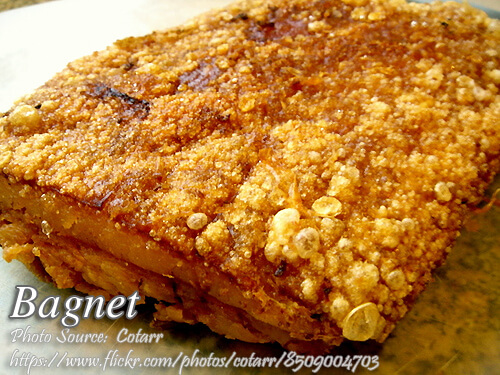
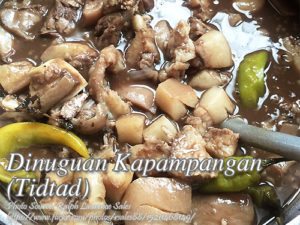
Bagnet is the Ilokano version of one of our favorite Filipino dish called lechon kawali. The usual sauce paired with lechon kawali is the lechon sauce, made from pork liver, bread crumbs and spices and some prefer vinegar with spices. But the original sauce for bagnet is raw pork blood mixed with sugar and vinegar, a sort of kinilaw. Not everyone is fond of eating raw pork blood so the recipe here for pork blood is cooked, and it is very similar to dinuguan.
Bagnet (Crispy Pork Belly) with Pork Blood Dip
There is something irresistible about perfectly fried pork belly. The crackling skin, the tender meat underneath, and that rich, savory flavor make it hard to stop at just one piece. In Ilocos, one of the most beloved versions of this Filipino favorite is bagnet, a deep-fried pork belly dish known for its exceptionally crispy skin and flavorful meat.
Similar to lechon kawali, this Ilocano specialty is boiled until tender, dried thoroughly, and deep-fried until golden and crunchy. However, what makes it different is the traditional dipping sauce. Instead of the usual liver-based lechon sauce or spiced vinegar, it is traditionally paired with a mixture of raw pork blood, vinegar, and seasonings, somewhat similar to kinilaw.
For those who aren’t comfortable eating raw pork blood, I’ve included a cooked version of the dip. It has a rich, savory flavor and a consistency reminiscent of dinuguan, making it a delicious partner for the crunchy pork.
Although preparing this dish takes some time, most of it is hands-off cooking and drying. With a little patience and a few simple techniques, even beginners can make delicious Ilocano-style crispy pork at home.
What Makes Bagnet Different from Lechon Kawali?
At first glance, these two Filipino pork dishes look almost identical. Both use pork belly, and both are cooked until the skin becomes wonderfully crisp. The main difference lies in their preparation, texture, and traditional accompaniments.
Lechon kawali is usually boiled or simmered until tender before being deep-fried. It is commonly served with liver sauce, soy sauce with calamansi, or spiced vinegar.
Bagnet, on the other hand, is an Ilocano specialty traditionally associated with Ilocos. It is known for its exceptionally crunchy exterior and rich pork flavor. The meat is simmered with aromatics, dried thoroughly, and fried until the skin becomes crisp and blistered.
Another interesting distinction is the traditional dipping sauce. In some Ilocano preparations, pork blood is mixed with vinegar and seasonings to create a tangy, savory accompaniment. This combination might sound unusual to those unfamiliar with it, but it reflects the resourcefulness of traditional Filipino cooking, where different parts of the animal are used rather than wasted.
Today, variations of this regional favorite are enjoyed throughout the Philippines, with different households developing their own preferred cooking methods and sauces.
Why Drying the Pork Belly Is Important
If there’s one step you shouldn’t rush, it’s drying the boiled pork.
After simmering, the meat contains plenty of moisture, especially around the skin. Putting wet pork directly into hot oil can cause excessive splattering and prevent the surface from crisping properly.
Drying removes surface moisture, allowing the skin to fry more effectively. It also helps produce that crunchy texture everyone looks forward to.
I recommend letting the cooked pork cool completely before placing it on a rack or strainer. Allow it to air-dry for at least two hours, preferably overnight in the refrigerator.
For food safety, don’t leave cooked pork sitting at room temperature overnight. Refrigerate it once cooled, uncovered or loosely covered to allow the surface to dry, and bring it out only when you’re ready to fry.
You’ll notice that the skin becomes firmer and less moist after drying. This is exactly what you want before deep-frying.
How to Make Bagnet with Crispy Skin
Start by cleaning the pork belly and trimming away any loose pieces of fat or unwanted bits. Rub salt generously over the meat, making sure to cover the skin and sides evenly.
Let it marinate for at least two hours. This gives the seasoning time to penetrate the meat and improves its overall flavor.
Meanwhile, prepare a large wok or heavy pot with enough water to simmer the pork. Add the garlic, onions, and black pepper. These aromatics infuse the meat with a gentle savory flavor while it cooks.
Place the seasoned pork belly into the pot and bring the liquid to a gentle simmer. Cover and cook for approximately one hour or until the meat is tender but still firm enough to hold its shape.
Avoid boiling too vigorously. A steady simmer cooks the pork more gently and helps prevent the outside from becoming overly soft before the inside is properly cooked.
During cooking, check the pork occasionally and prick the skin with a fork. This helps release trapped air and allows some fat to render during frying. Be careful not to pierce too deeply into the meat, as doing so can cause it to lose too much moisture.
Once cooked, remove the pork from the pot and place it on a strainer or wire rack to drain. Allow it to cool before proceeding with the drying process.
The Secret to Extra Crispy Bagnet
The trick to achieving that signature crunch is double frying.
Heat approximately two liters of vegetable oil in a heavy, deep pot. Make sure the pot is large enough to accommodate the pork without overcrowding, and leave plenty of space at the top to prevent dangerous oil overflow.
Once the oil is hot, carefully lower the dried pork belly into it. Fry until the skin turns golden brown and develops a crisp exterior.
Be particularly careful when adding the pork. Even a small amount of remaining moisture can cause hot oil to splatter.
Remove the meat and place it on a wire rack to drain excess oil. Let it cool briefly before frying it a second time.
Why fry it twice? The first frying cooks and browns the exterior, while the second frying helps drive out additional moisture and produces a firmer, crunchier skin. This technique is especially helpful when working with thick cuts of pork belly.
Keep an eye on the color during the second frying. The skin can brown quickly, so avoid walking away from the stove.
Once beautifully golden and crisp, transfer the pork to a rack. Allow it to rest briefly before slicing into serving pieces. Cutting immediately can release hot juices and make handling difficult.
How to Make the Cooked Pork Blood Dip
Traditional Ilocano dipping sauces for this crispy pork can include raw pork blood mixed with vinegar and seasonings. This preparation is sometimes compared to kinilaw because of its tangy flavor and use of vinegar.
For this recipe, however, we’re making a cooked version that’s more approachable for people who prefer their pork blood thoroughly cooked.
Pour the pork blood into a blender. Add vinegar, your preferred spices, and a splash of beer. Blend until the mixture is smooth and evenly combined.
The vinegar provides acidity that balances the richness of the pork, while the beer adds another layer of flavor. Blending also helps create a more uniform consistency.
Transfer the mixture into a small pot and bring it to a gentle simmer, stirring regularly. Add black pepper, brown sugar, and sea salt according to your taste.
As the mixture cooks, it will gradually thicken. Continue simmering until it reaches a rich, spoonable consistency.
Because pork blood is a perishable raw ingredient, use only fresh, properly handled pork blood from a reputable source. Keep it refrigerated before cooking, and cook the sauce thoroughly to a safe temperature of 160°F (71°C). Do not taste it while raw or rely on vinegar to make it safe.
If the sauce becomes too thick, you can adjust the consistency with a little water. If it tastes too rich, add a small amount of vinegar to brighten the flavor.
The finished dip should be savory, slightly tangy, and just sweet enough to balance the acidity.
What to Serve with Bagnet
One of the best things about this Ilocano specialty is how versatile it is. While the pork blood dip makes a wonderful traditional-inspired pairing, there are plenty of other ways to enjoy it.
Try serving it with steamed white rice and a small bowl of vinegar with chopped onions, garlic, and chili. The acidity cuts through the richness of the fried pork and keeps each bite from feeling too heavy.
It’s also delicious with pinakbet, another well-loved Ilocano dish. The crunchy pork makes an excellent topping for the vegetable stew, adding richness and texture to the combination.
For gatherings, slice the meat into bite-sized pieces and serve it as pica-pica. Arrange the dipping sauce on the side so everyone can enjoy it according to their preference.
Tips for Making Perfect Bagnet at Home
The most common mistake when preparing this dish is rushing the drying process. Even if the pork has been simmered until tender, frying it while the skin is still wet can lead to excessive splattering and disappointing results.
Another important consideration is maintaining the right oil temperature. If the oil isn’t hot enough, the pork may absorb too much oil and become greasy. If it’s excessively hot, the outside can burn before the skin develops an even, crisp texture.
Use a heavy pot because it helps maintain a more stable temperature when the pork is added. Fry in manageable portions rather than overcrowding the pot.
Finally, don’t forget to let the meat drain on a wire rack instead of placing it directly on paper towels. A rack allows air to circulate underneath, helping the skin stay crisp rather than becoming soggy from trapped steam.
Enjoy Homemade Ilocano Bagnet
Making this Ilocano favorite requires patience, but the results are well worth the effort. Between the tender pork, crunchy golden skin, and rich cooked pork blood dip, every element brings something special to the table.
I also love how this dish represents the character of Filipino regional cooking. Simple ingredients, traditional techniques, and a little ingenuity come together to create something memorable.
Whether you serve it with steamed rice, pair it with pinakbet, or enjoy it as a party appetizer, homemade bagnet is a delicious way to bring a taste of Ilocos into your kitchen. Don’t forget the dipping sauce, because that savory, tangy combination makes every crunchy bite even better!
Bagnet (Crispy Pork Belly) with Pork Blood Dip
Ingredients
For the Bagnet:
- 2 kilo pork belly
- 1 head garlic
- 4 pcs medium size onions chopped
- 2 Tbsp. black pepper crushed
- 2 liters of water for boiling the meat
- Cooking oil for deep frying
For the Pork Blood Dip:
- 5 cloves garlic crushed and chop finely
- 1 pc onion chopped
- 1 pc green chili pepper slice thinly
- 1/4 cup white coconut vinegar
- 1/2 tsp. ground black pepper
- 1 tsp. sea salt
- 1 tsp. brown sugar
- 1 cup fresh pork blood
- a splash of beer
Instructions
For the Bagnet:
- Clean and prepare the meat.
- Rub salt all over the meat and let it marinade for at least 2 hours.
- In a wok with water, add garlic, onions, black pepper.
- Add the pork belly and simmer for at least one hour and cover.
- Check the meat from time to time and prick the skin with a fork.
- Continue to cook until the meat is done but still firm.
- Remove from the wok and set aside, put it on a strainer to drain the water.
- Let it cool and air dry for at least 2 hours but preferably overnight.
- Heat 2 liters of vegetable oil a heavy pot.
- Fry pork belly until golden brown. Set aside for a while, let it cool and put in a rack to drip the excess oil.
- Then fry again to attain maximum crispiness then serve with pork blood dip.
- Bagnet can also be used as garnishing for pinakbet, to serve as pica-pica or as side dish.
How to prepare pork blood dip:
- Pour the pork blood in a blender. Add vinegar and spices.
- Add a splash of beer. Cover and blender the mixture until smooth.
- In a small pot, pour the mixture and simmer until it thickens and season (black pepper,brown sugar and sea salt) according to your taste.
Notes
Dry the Pork Belly Thoroughly
After boiling, let the pork belly cool and drain completely before frying. For the crispiest skin, refrigerate it uncovered on a wire rack overnight to remove excess moisture. This helps prevent excessive oil splattering and gives the skin a crunchier texture.Fry the Pork Belly Twice
Fry the pork belly until golden brown, then remove it and let it rest briefly on a wire rack. Fry it a second time to help remove additional moisture and develop an extra-crispy exterior. Keep an eye on the skin during the second frying to prevent it from becoming too dark or burning.Maintain the Right Oil Temperature
Use a heavy-bottomed pot and enough vegetable oil to submerge the pork belly safely. Make sure the oil is hot before adding the meat, as oil that's too cool can make the pork greasy. Avoid overcrowding the pot because adding too much pork at once lowers the oil temperature and results in uneven frying.




Wow a bagnet recipe with a twist. Thanks for this bagnet recipe and the dipping sauce.
Hi Kathy, thanks also for your comment!
I like your recipe so easy to follow please send me some recipe pinoy style I am a pork beef andchicken person thanks
Hi Marcos Morelos, thanks for your comment. I’ll subscribe you to my mailing list so you can receive recipes in your inbox.
I love the pork blood dip. A very interesting twist to the usual bagnet. I will definitely try this recipe. Thanks for sharing. 🙂