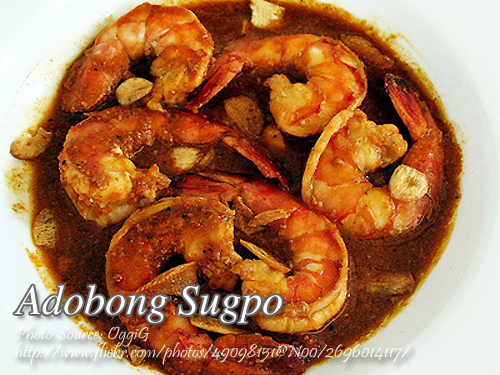
This recipe is baby prawns cooked adobo style. If you can find black tiger prawns, the better because they are more flavorful than the light colored ones but more expensive. You can also use jumbo shrimps if you can’t find prawns. Also, cooking the shrimps with shells and head intact can be done and will become more flavorful because the head part is where the flavor is. But it depends on you, you can also remove the head and shells just leaving the tail.
Adobong Sugpo for an Easy Filipino Seafood Meal
There’s something especially satisfying about a pan of prawns simmering in a garlicky, tangy adobo sauce. The aroma alone is enough to make you think about rice, and plenty of it. This baby prawn adobo is a simple Filipino-style seafood dish that comes together quickly, making it a good choice when you want a flavorful meal without spending hours in the kitchen.
The first time you cook this kind of dish, you might wonder if the prawns need a long simmer to absorb the sauce. They don’t. In fact, prawns are one of those ingredients where a few extra minutes can make a noticeable difference. They cook quickly, and once the flesh turns opaque and curls slightly, they are usually ready.
For this recipe, I like using small prawns, but the cooking method is flexible. Black tiger prawns are an excellent choice if they’re available. They tend to have a deeper, sweeter seafood flavor than lighter-colored varieties, although they can cost more. Jumbo shrimp also work well if that’s what you have at the market.
Choosing Prawns for Adobong Sugpo
When buying prawns, freshness matters more than size. Look for firm flesh and a clean, fresh ocean smell. If the prawns smell strongly of ammonia or feel unusually soft, they’re past their prime and are better left at the seafood counter.
You can cook the prawns peeled and deveined, especially if you prefer an easier eating experience. I often find that keeping the shells and heads intact gives the finished dish more character. The shells protect the delicate meat while cooking, and the heads contain flavorful juices that mingle with the sauce.
There’s a practical trade-off, though. Head-on prawns make a richer and more flavorful dish, but they’re messier to eat. If you’re serving children or guests who prefer convenience, removing the heads and shells while leaving the tails attached is a perfectly good option.
Don’t throw away the heads if you decide to peel them before cooking. They can be saved for seafood stock, where they add plenty of flavor.
Why the Garlic and Onion Matter
Start by sautéing the onions and garlic in a little oil. This step may look basic, but it sets up much of the flavor for the whole dish.
Cook the onion until it begins to soften, then add the garlic and cook just until fragrant. Garlic burns quickly, so there’s no need to brown it heavily. Burnt garlic can give the sauce a bitter taste that is difficult to correct later.
Sautéing the aromatics in oil also helps release their flavor compounds before the liquid ingredients are added. You’ll notice the kitchen smelling noticeably more savory at this point. That’s a good sign that the base is ready.
Building the Sauce for Adobong Sugpo
Once the onions and garlic are fragrant, add the vinegar, water, laurel leaves, soy sauce, and black pepper. Give the mixture a gentle stir, then add the prawns.
The vinegar is an important part of the dish because it provides the sharp, tangy flavor associated with Filipino adobo. It also balances the saltiness of the soy sauce and the natural sweetness of the seafood.
If you find vinegar too strong, resist the temptation to immediately add sugar or more soy sauce. The sharpness softens as the mixture cooks. Once the sauce has simmered for a few minutes, taste it and decide whether it needs adjustment.
The laurel leaf adds a subtle herbal aroma, while black pepper gives the sauce a gentle warmth. These flavors work particularly well with prawns because they season the sauce without completely covering the delicate seafood flavor.
Why You Shouldn’t Overcook the Prawns
This is probably the most important part of making good adobong sugpo. Prawns cook fast.
Let them simmer in the sauce for about five minutes, or until their color changes and the flesh becomes opaque. Depending on their size and the heat of your stove, they may cook slightly faster or take a little longer.
I pay more attention to the prawns themselves than the clock. Raw prawns are translucent and grayish, while cooked ones become opaque with a pink or orange color. Their shape will also curl as they cook.
If they become very tightly curled and rubbery, they’ve likely been cooked too long. This is a common mistake when making seafood dishes. Unlike tougher cuts of meat, prawns don’t benefit from extended simmering.
Keeping the cooking time short also lets the seafood retain more of its natural sweetness. The sauce seasons the prawns while they cook, but the goal isn’t to stew them for a long period.
The Little Addition That Rounds Out Adobong Sugpo
After the prawns are cooked, season the dish with Lea & Perrins Worcestershire Sauce. You don’t need a large amount. It’s there to add another layer of savory, slightly tangy flavor to the sauce.
This is also a good time to taste before adding anything else. Soy sauce varies in saltiness from brand to brand, and the natural juices from the prawns can change the balance of the sauce. If it tastes too salty, a small splash of water can mellow it. If it seems flat, a little more vinegar can brighten it.
Finish by topping the prawns with onions. The fresh onions give the dish a bit of texture and contrast against the cooked aromatics and rich sauce.
Shell-On or Peeled Prawns?
There’s no right or wrong answer here. Shell-on prawns are especially enjoyable if you like sucking the flavorful juices from the heads and shells. The sauce gets a boost from the seafood as it cooks, and the finished dish feels a little more rustic.
Peeled prawns are much easier to serve and eat. They’re also useful if you’re preparing the dish for someone who doesn’t enjoy handling shells at the table.
For beginners, peeled prawns can actually make it easier to judge doneness because you can see the flesh more clearly. Just remember that peeled seafood can cook quickly, so keep an eye on it.
A Little History Behind Filipino Adobo
Adobo is one of the dishes that shows how Filipino cooking developed around practical cooking methods. Across the Philippines, you’ll find many versions made with pork, chicken, seafood, vegetables, and other ingredients.
The defining combination can vary from one household to another. Vinegar is often central, along with salty seasoning, garlic, and aromatic ingredients. Long before recipes were carefully measured and published, families adjusted these dishes according to what was available in their kitchens.
That’s part of what makes Filipino adobo so personal. One family may prefer a sharper vinegar flavor, while another might use more garlic or a darker, saltier sauce. Seafood versions naturally cook much faster than meat-based varieties, but they carry the same familiar sweet-sour-savory character.
Serving Adobong Sugpo With Rice
This dish is best served immediately with freshly cooked plain rice. The rice is more than a side dish here. It soaks up the garlicky, tangy sauce and balances the stronger flavors of the prawns.
If you’re serving head-on prawns, put a small bowl on the table for discarded shells. It makes the meal much more comfortable, especially when everyone is busy enjoying the sauce.
For a simple Filipino meal, you can pair the prawns with steamed vegetables or a light vegetable side dish. You really don’t need much else because the sauce and seafood already provide plenty of flavor.
Common Mistakes When Making Adobong Sugpo
The biggest mistake is usually overcooking the prawns. It’s easy to assume that seafood needs more time in the sauce, but prawns can turn firm and rubbery surprisingly quickly.
Another mistake is adding too much soy sauce before tasting. Remember that the prawns and their heads can release their own flavorful juices as they cook. Start with the stated amount, let everything simmer, and adjust at the end.
Finally, don’t be afraid of the vinegar. It may smell quite sharp when first added to the pan, but cooking mellows that raw acidity. If you remove it too quickly or try to cover it with too many other seasonings, you can lose the balance that makes adobo so appealing.
Why This Baby Prawn Adobo Works
The beauty of this recipe is its simplicity. Garlic and onion create a savory foundation, vinegar brings acidity, soy sauce supplies salt and umami, and pepper and laurel add aroma. The prawns contribute natural sweetness and seafood flavor, while the Worcestershire sauce gives the finished sauce a little more depth.
Most importantly, the technique respects the ingredient. Prawns don’t need complicated preparation or a long cooking time. Keep the heat controlled, watch for the change in color, and taste the sauce before serving.
Whether you use small prawns, black tiger prawns, or jumbo shrimp, this adobo-style preparation is an easy way to bring a familiar Filipino flavor to the dinner table. Serve it with hot rice, spoon the sauce generously over the top, and enjoy it while the prawns are still tender and juicy.
How to Cook Adobong Sugpo (Baby Prawn Adobo)
Ingredients
- 1/2 kilo baby prawns head and tail trimmed
- 3 pcs laurel leaves
- 1/2 cup onions chopped
- 2 Tbsp soy sauce
- 2 tsp garlic crushed
- 1/2 tsp pepper
- 2 tbsp oil
- 1 Tbsp Worcestershire Sauce
- 1/8 cup cane vinegar
- 2 Tbsp water
- spring onions chopped for garnish
Instructions
How to Cook Adobong Sugpo (Baby Prawn Adobo):
- Saute onions and garlic in oil.
- Add vinegar, water, laurel leaves, soy sauce and pepper, then add prawns in the mixture.
- Cook for about 5 minutes or until prawns change color.
- Season with Worcestershire Sauce.
- Top with onions. Serve with freshly cooked plain rice.
Notes
Choose Fresh Prawns
Use fresh prawns with firm flesh and a clean, mild seafood smell for the best flavor and texture. If using whole prawns, keeping the heads and shells intact can add a richer, more savory taste to the sauce. Drain the prawns well before cooking to prevent excess water from diluting the adobo sauce.Avoid Overcooking the Prawns
Cook the prawns only until they turn opaque and pinkish-orange, which usually takes about five minutes depending on their size. Overcooking can make the meat tough and rubbery, so avoid leaving them simmering in the sauce longer than necessary. For a thicker sauce, remove the cooked prawns first and reduce the liquid separately.Balance the Adobo Sauce
Let the vinegar simmer briefly with the other seasonings to mellow its sharp, raw flavor before adjusting the taste. Add soy sauce and Worcestershire sauce gradually because the prawns and sauce can become too salty if seasoned heavily. Taste before serving and adjust with a little water or seasoning until the sauce has a pleasant balance of tangy, savory, and slightly sweet flavors.