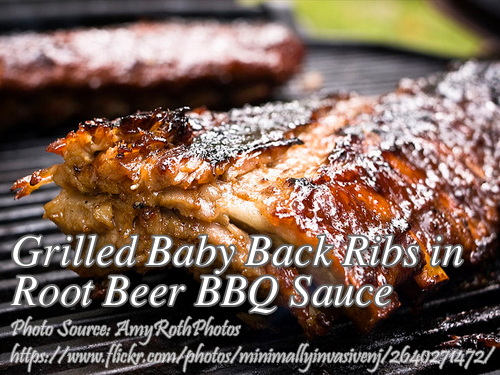
Grilled or BBQ baby back ribs is a popular western cuisine. But it is now also a favorite among Pinoys specially in restaurants or fastfood chains offering baby back ribs. Actually those baby back ribs didn’t come from a baby pig. The reason why it is called so is because the ribs are shorter than the spareribs.
Back ribs are cut from where the rib meets the spine after the loin is removed. Whereas the spareribs are the meaty ribs cut from the belly of the animal after the belly is removed. Baby back ribs needs less cooking time compared to spareribs but you can use spareribs if baby back ribs are not available. Since the holiday season is fast approaching, I think this is a good addition to your celebration.
BBQ Baby Back Ribs: A Family Love Affair with BBQ Baby Back Ribs
I still remember the first time I tried BBQ baby back ribs. It was during a rainy December evening in Pampanga, when my Tito Rolan came home from Dubai with a craving for something smoky and sweet. He could not stop talking about the ribs he used to enjoy after long shifts abroad, so he asked if we could try making our own version at home. We did not have much to go on, just stories and a few scribbled notes he kept in his wallet, but that night turned out to be the start of a small family obsession.
Pinoys love anything grilled, and ribs are no exception. Even though this cut is rooted in Western cooking, it now shows up on local menus everywhere. My cousin Jessa even jokes that the dish has become as common in mall restaurants as fried chicken. The name might confuse beginners because BBQ baby back ribs do not come from young pigs. They are simply the shorter ribs taken from the upper part of the back where the spine meets the loin. These are leaner and cook faster than the longer spareribs from the belly area. The texture is tender and the meat clings to the bone in the best way, which is probably why Filipinos have grown so fond of it.
Why Baby Back Ribs Shine with a Dry Rub
The first time we attempted this dish, we followed my uncle’s memory of a dry rub he tasted from a Texan coworker. It sounded strange to us then. Cinnamon with instant coffee. Garlic with cayenne. Brown sugar with mustard seeds. Tito explained that each ingredient had a purpose. Coffee deepens the savory notes. Cinnamon adds warmth. The paprika and cayenne bring color and heat. The sugar caramelizes as the ribs cook, creating a glossy finish. He was right. The mixture may look chaotic at first, but the flavors blend as the heat works its magic.
Ribs love slow cooking, and keeping the temperature low helps break down connective tissues without drying the meat. That is why roasting the rack at 250 degrees works. My Lola Cion used to say that good food teaches patience. You wait, you breathe in the aroma filling the house, and you know you are close when the meat yields to a fork with almost no resistance.
Every thirty minutes, we spray the rack with apple juice. At first I thought it was just for moisture, but there is more to it than that. The natural sugars help build a sticky layer that holds the sauce better later on. Beginners sometimes skip this part, but it makes a real difference. My sister Lani tried it without the apple juice once and ended up with ribs that tasted fine, but lacked that subtle fruitiness that rounds out the smoke.
A Sweet Twist with BBQ Baby Back Ribs Sauce
The root beer sauce surprises people the most. When my friend Leo from Quezon City heard I was mixing soda into sauce, he laughed and asked if I was inventing things again. But root beer has hints of vanilla, caramel, and mild herbs that blend beautifully with traditional barbecue flavors. When simmered with the dry rub, it turns into a thick glaze that clings to the ribs.
This trick originally came from my Ninang Mercy, who discovered it during a visit to Ohio. She said the sauce reminded her of old sari-sari store treats, sweet but balanced. It brings nostalgia with every brush on the meat. A beginner might think regular soda works the same, but root beer has a deeper flavor that stands out once it reduces.
Grill Time for Your BBQ Baby Back Ribs
After roasting the ribs until tender, the final step is grilling. This gives the rack its smoky outer crust. You only need a short time over the coals. The goal is to let the sauce caramelize. A few minutes can turn a good dish into something special, especially when the glaze thickens and the edges char just a little.
There is also something comforting about grilling at home. It reminds me of weekend gatherings where everyone waits with plates ready, pretending not to hover near the grill. Each time I prepare these ribs, I feel like I am passing on the little lessons shared with me through the years.
Food for Thought
Ribs have a long history in American barbecue culture, but their popularity in the Philippines shows how open we are to adapting flavors from anywhere. The slow roasting and sweet glaze may not be born out of our own traditions, but the joy of sharing good food is something every Filipino knows by heart. These ribs work well for holidays, birthdays, or even quiet Sundays when you want something comforting and full of flavor.
If you have never tried making them at home, now is a good time. Once you pull a tender rack from the grill and slice between the bones, you will understand why this dish keeps finding its way to our tables.
How to Make Baby Back Ribs with Root Beer Barbecue Sauce
Ingredients
For the pork ribs
- 1 kilo pork back ribs whole
- apple juice for spraying
For the dry rub:
- 1/3 cup garlic powder
- 1/3 cup onion powder
- 1 Tbsp. cinnamon powder
- 2 Tbsp. instant coffee powder
- 1 Tbsp. mustard seeds
- 1 Tbsp. cumin
- 1/2 cup brown sugar
- 1/3 cup cayenne
- 1/3 cup paprika
- 2 Tbsp. salt
- 1 Tbsp. pepper
Root beer barbecue sauce :
- 1 cup prepared barbecue sauce
- 3/4 cup root beer
- 1 cup reserved dry rub mixture
Instructions
How to cook Baby Back Ribs with Root Beer Barbecue Sauce:
- Blend together dry ingredients for the dry rub. Set aside 1 cup of the dry rub for the barbecue sauce.
- Apply the remaining dry rub all over the pork ribs. Cover with aluminum foil and roast in a pre-heated 250 °F oven for two hours.
- Spray with apple juice every 30 minutes while baking until the meat is fork tender.
- Brush the root beer barbecue sauce on to the ribs and grill.
To make the root beer barbecue sauce:
- In a saucepan, mix the barbecue sauce, root beer and dry rub mixture and let simmer.
Notes
Cooking Tips:
Let the Dry Rub Do the Work
Give the seasoning enough time to sink into the meat before cooking so the flavors stay bold even after grilling. The sugar and spices help create a caramelized crust, so do not rush this step. A well rested rub means deeper color and richer taste once the ribs hit the heat.Go Low and Slow for Tender Results
Keeping the temperature low allows the connective tissues to break down without drying out the meat. This is why roasting at a gentle heat makes the ribs fork tender. Patience pays off because the slow cook builds that soft, pull apart texture everyone loves.Brush the Sauce at the Right Moment
Add the root beer glaze once the ribs are almost done to avoid burning the sugars too early. This timing helps the sauce cling better and form a glossy coating. With a few minutes of grilling, the flavors deepen and the finish turns sticky and irresistible.