
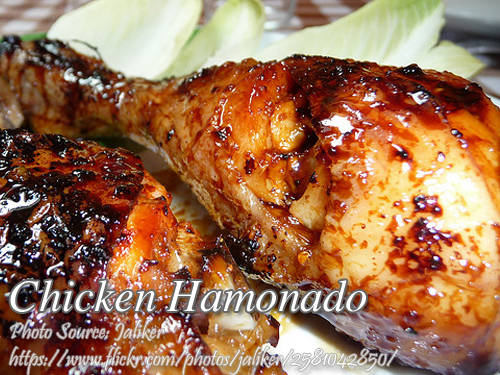
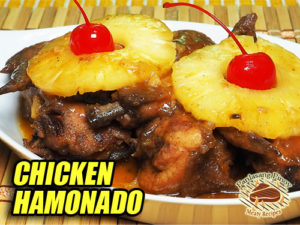
Chicken hamonado or hamonadong manok is chicken baked in pineapple juice. It uses the pineapple, condiments and spices as a marinade and then baked. You will surely enjoy it’s sweet fruity taste of pineapple juice added to this chicken as a marinade together with soy sauce, vinegar, peppercorns, onion and garlic. You will be amazed how simple cooking this chicken recipe because it’s so simple even a novice can cook this dish.
Chicken Hamonado with Sweet Pineapple Flavor
Chicken hamonado is one of those comforting dishes that easily reminds me of weekend family lunches when the kitchen smelled sweet, savory, and slightly tangy all at once. Unlike heavier Filipino chicken recipes that rely on cream or deep frying, this oven-baked version keeps things simple while still delivering rich flavor. The pineapple juice works double duty here. It flavors the meat and gently tenderizes it at the same time, giving the chicken a juicy texture that almost melts when sliced.
The first time I tried making chicken hamonado at home, I honestly expected it to be complicated because baked dishes often look intimidating. But after marinating the chicken and letting the oven do most of the work, I realized why this recipe has stayed popular in many Filipino households. It is straightforward, forgiving, and beginner-friendly.
This dish is commonly associated with holiday gatherings because hamonado-style recipes traditionally use sweet ingredients like pineapple juice, sugar, and sometimes raisins. The word “hamonado” itself comes from “hamon,” the Filipino term for ham. Over time, home cooks adapted the cooking style for chicken because it is more affordable, cooks faster, and absorbs marinades beautifully.
Why Marinating Matters in Chicken Hamonado
One thing I learned after cooking chicken hamonado several times is that the marinade is not something you should rush. Even just one hour makes a noticeable difference. The chicken develops deeper flavor, and the salty-sweet balance becomes more pronounced after cooking.
The pineapple juice is especially important because it contains natural enzymes that help break down proteins in the meat. This is why the chicken becomes tender without needing long hours of simmering. However, leaving it overnight can sometimes make the meat too soft, especially if using boneless chicken breast. I usually stick to one to three hours for the best texture.
The soy sauce adds depth and color while the vinegar balances the sweetness of the pineapple juice and sugar. Garlic and onions round everything out with savory flavor. As the chicken cooks, the marinade slowly reduces into a glossy sauce that coats the meat beautifully.
If you notice the marinade tasting too sharp before cooking, do not worry. Once simmered and baked, the flavors mellow out considerably. This is one of those recipes where patience during cooking really pays off.
Preparing the Chicken for Baking
Traditional chicken hamonado can use rolled chicken breast tied with kitchen string, although drumsticks are a practical option for beginners. If you are using chicken breast, rolling it helps the meat cook evenly and gives it a nice presentation when sliced.
The first time I deboned chicken breast myself, I cut too deeply and ended up tearing the meat apart. Since then, I learned to use a small sharp knife and work slowly around the bone instead of forcing it. Even if the roll does not look perfect, securing it tightly with string helps keep its shape during simmering and baking.
Drumsticks are easier if you want less prep work. They stay moist and are harder to overcook, which is ideal for novice cooks. Whichever cut you choose, make sure the chicken is fully coated in the marinade before refrigerating.
One helpful trick is turning the chicken halfway through marinating. This ensures every part absorbs the sweet and savory mixture evenly.
Simmering Before Baking
Some beginner cooks wonder why the chicken needs to be simmered before going into the oven. This extra step actually makes a huge difference. Simmering allows the meat to cook gently and absorb the marinade deeply before baking finishes the dish.
As the chicken cooks in the pot, you will notice the liquid becoming darker and slightly thicker. The aroma also changes from sharp vinegar notes to a richer sweet-savory scent. That is usually my sign that the flavors are blending properly.
Keep the simmer gentle rather than aggressively boiling. A rapid boil can toughen the meat and reduce the sauce too quickly before the chicken becomes tender. I usually keep the heat low enough that only small bubbles appear around the edges.
If foam rises on top during simmering, simply skim it off with a spoon. This keeps the sauce cleaner and smoother.
Oven Baked Chicken Hamonado for Beginners
Once the chicken is tender, transferring it to the oven creates that signature sticky glaze many people love in chicken hamonado. Baking slowly at 300 °F allows the sauce to thicken gradually instead of burning too fast.
The first time I baked this dish, I made the mistake of using a shallow pan. The sauce reduced too quickly and became overly salty. Since then, I prefer using a deeper baking dish so the chicken stays partially covered while the glaze develops.
As the sauce thickens, the sugars from the pineapple juice caramelize lightly around the edges. You will notice golden brown spots forming on the chicken, especially near the top. That is where much of the flavor develops.
It is important not to overbake the chicken. Once the sauce reaches a syrup-like consistency, remove the dish from the oven. The sauce continues thickening slightly as it cools.
Letting the chicken rest before slicing also helps keep the juices inside the meat. Cutting it immediately after baking can cause the juices to run out onto the cutting board instead of staying in the chicken.
The Sweet and Savory Appeal of Chicken Hamonado
What makes chicken hamonado stand out from other Filipino chicken dishes is its balance of flavors. The sweetness is noticeable but not overwhelming, especially when balanced with soy sauce and vinegar.
Many Filipino recipes lean heavily toward salty or sour profiles, so this dish offers something a little different while still feeling familiar. The pineapple flavor gives it a lighter and fruitier character that pairs well with steamed rice or even bread for sandwiches.
I once served leftover chicken hamonado the next day inside soft pandesal with a little homemade mayonnaise, and honestly, it tasted even better after the flavors had settled overnight. The sauce had thickened further, almost like a spread.
This recipe is also flexible. Some home cooks add pineapple chunks for extra sweetness while others include bell peppers for color and texture. But even in its simplest form, the dish already delivers plenty of flavor.
Common Mistakes When Making Chicken Hamonado
One common mistake is adding too much sugar too early. Since the sauce reduces during baking, the sweetness becomes more concentrated later on. It is always easier to add sweetness at the end than to fix an overly sugary sauce.
Another issue beginners encounter is dry chicken breast. This usually happens when the meat is overcooked during simmering or baked too long afterward. Using a thermometer helps, but even paying attention to texture works well. The chicken should feel tender when pierced with a fork, not rubbery.
Using canned pineapple juice instead of fresh is perfectly fine for chicken hamonado, but avoid heavily sweetened juice blends because they can overpower the savory elements.
Lastly, do not skip resting the chicken after baking. Those few minutes make slicing easier and help the meat stay juicy.
Why Chicken Hamonado Deserves a Spot on Your Table
Chicken hamonado is proof that simple pantry ingredients can create something deeply comforting and flavorful. The combination of pineapple juice, soy sauce, garlic, onion, and vinegar may sound humble, but together they create a dish that feels special enough for gatherings yet easy enough for weekday cooking.
For beginner cooks, this recipe builds confidence because the steps are manageable and the ingredients are accessible. The oven does most of the work, and the marinade practically guarantees flavorful results.
Every time I make chicken hamonado, the smell alone brings people into the kitchen asking when dinner will be ready. That sweet aroma mixed with garlic and soy sauce has a way of making the house feel warmer and more inviting.
And honestly, that is probably why this dish continues to stay loved in many Filipino homes. It is simple food made with familiar ingredients, but when cooked patiently, it turns into something memorable.
How To Cook Oven baked Chicken Hamonado
Ingredients
- 2 whole chicken breasts deboned and rolled (secure with a string) or 6 chicken drumsticks
- 1/2 tsp. salt
- 1 cup pineapple juice
- 1/3 cup vinegar
- 1/2 cup sugar
- 1 Tbsp. soy sauce
- 1 tsp. black pepper, ground
- 1/2 clove garlic crushed
- 1 pc onion chopped
Instructions
How To Cook Chicken Hamonado
- Debone the chicken breast and roll. Secure with string. ( or 6 pcs chicken drumsticks)
- Marinate chicken with salt, pineapple juice, vinegar, sugar, soy sauce, black pepper, garlic and onion for at least an hour.
- Simmer mixture until chicken is tender.
- Transfer into a baking dish.
- Bake in preheated oven of 300 °F until sauce thickens.
- Cool and slice thinly.
- Serve as a delicious sandwich filling or as a main course. Serves 6.
Notes
Marinate the Chicken Properly
Give the chicken enough time to soak in the marinade so the flavors fully penetrate the meat. Pineapple juice naturally tenderizes the chicken, but marinating too long can make the texture overly soft. For the best balance of flavor and texture, marinate for one to three hours only.Simmer on Low Heat
Cook the chicken gently over low heat instead of boiling it rapidly. A slow simmer helps keep the meat juicy while allowing the soy sauce, pineapple juice, and spices to blend smoothly into the sauce. If the liquid reduces too quickly, simply add a small splash of water to prevent the sauce from becoming too salty.Watch the Sauce While Baking
Keep an eye on the sauce during the final baking stage because the sugars in the pineapple juice can burn quickly. Once the sauce becomes thick and glossy, remove the dish from the oven immediately to avoid drying out the chicken. Let the chicken rest for a few minutes before slicing so the juices stay inside the meat.


Try to put some cloves for taste and fragrant. I love hamonado meat with this spice.
Hi Tess, thanks for the tip.
Hi Joey, great idea using turkey instead of chicken.
I actually did Chicken Hamonado…and it taste great…this Christmas 2014…I will try Turkey Hamonado..
Taste great! It did not look quite right at the beginning until it is in the oven. I cut the chicken breast into strips instead of rolling it like a roast and it still came out pretty good.
thankz 4 the recipe !!!
try adding bayleaf to it. it’s good!
Thanks for the recipe…
keep up the good work…:)