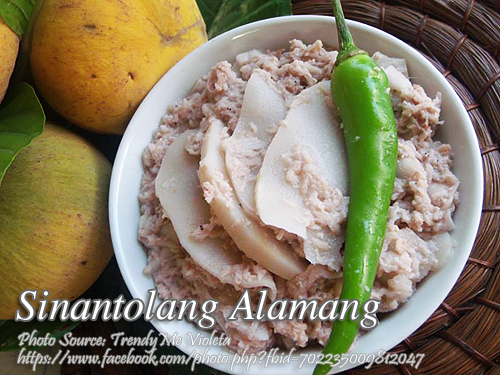
Sinantolang alamang is spicy side dish that is also an excellent accompaniment for fried or broiled-fish and meat. With regard to santol, honestly I didn’t know how to say it English because I really am not that eager to know it when I was younger. And internet those days was not yet known. But now with just a click of mouse or tap on the mobile screen you can search it with a few seconds on the internet. Thanks to Wikipedia now I know its called “cotton fruit”.
A Comforting Filipino Dish Made with Santol and Shrimp Paste
There are dishes that instantly remind you of home the moment the aroma hits the kitchen, and sinantolang alamang is one of them. It’s humble, rustic, and not exactly the type of food you’ll find in fancy restaurants, but once you’ve tasted it with hot steamed rice and fried fish on the side, it’s hard to forget. The combination of creamy coconut milk, salty shrimp paste, and slightly sour santol creates a rich flavor that feels deeply comforting.
I first learned to appreciate this dish from an older neighbor everyone called Tita Nena. During santol season, she would always have a basket of freshly picked fruit sitting on her kitchen counter. While most of us children only cared about dipping the sour flesh in salt, she used the grated fruit for cooking. The smell of simmering coconut cream mixed with bagoong would drift out into the street, and before long, everyone knew what was for lunch.
What makes sinantolang alamang special is how it transforms a fruit that many people only think of as a snack into a savory dish packed with flavor. It’s economical, easy to prepare, and surprisingly satisfying even for beginner cooks.
What is Sinantolang Alamang?
Sinantolang alamang is a Filipino dish made with grated santol fruit cooked in shrimp paste and coconut cream. Depending on the region or family recipe, some versions use the peeled outer flesh while others include part of the inner pulp for extra tartness. The dish is usually spicy from siling labuyo and cooked slowly until the coconut cream releases oil.
Santol is also known as cotton fruit in English, although most Filipinos simply call it santol. It’s a tropical fruit commonly found in backyards across the Philippines during the summer months. While the ripe fruit is sweet and juicy, the slightly mature ones are often preferred for cooking because they hold their texture better and provide the right balance of sourness.
This dish is often served as a side dish for fried fish, grilled pork, or even dried fish. But honestly, there are days when a bowl of this savory santol dish and hot rice are enough for a complete meal.
Why Sinantolang Alamang Works So Well
The beauty of sinantolang alamang comes from how the ingredients balance one another. The grated santol gives a mild sourness that cuts through the richness of the coconut cream. The bagoong alamang adds deep salty flavor, while the chili provides heat without overpowering the dish.
One thing beginner cooks often notice is how sharp and sour the santol smells at first. Don’t worry because that mellows out during cooking. As the mixture simmers, the fruit softens and absorbs the creamy coconut sauce. After about thirty to forty-five minutes, the flavors become fuller and more rounded.
Cooking the coconut cream slowly is also important. If the heat is too high, the gata can curdle or burn at the bottom before the oil separates properly. Low simmering allows the natural oils to come out gradually, giving the dish a richer flavor and slightly toasted aroma. You’ll notice the mixture getting thicker and the color turning from pale white to a creamy light brown. That’s usually the sign it’s almost ready.
Preparing the Santol Properly
One of the most important parts of making sinantolang alamang is preparing the santol correctly. The first time I made this dish on my own, I grated too much of the hard inner core and ended up with a bitter aftertaste. Since then, I’ve learned to focus more on the fleshy part near the skin.
Start by washing the fruit thoroughly because the outer skin can hold dirt or sap. Peel the skin, cut the fruit in half, and remove the seeds carefully. Some cooks grate only the outer flesh while others include part of the inner pulp depending on how sour they want the dish.
If the santol is extremely sour, lightly squeezing some of the juice out before cooking can help balance the flavor. But avoid over-squeezing because the tartness is what gives the dish character.
Fresh santol also matters. Older fruit tends to become fibrous, making the finished dish stringy instead of creamy. Younger mature santol usually produces the best texture for cooking.
Cooking Sinantolang Alamang the Traditional Way
Cooking sinantolang alamang starts simply with garlic and onion sautéed in pork fat or oil. Using pork fat gives the dish a deeper savory taste that pairs beautifully with the shrimp paste. As soon as the onions soften, the grated santol goes into the pan.
At this stage, the mixture may look dry and uneven, but after a few minutes of cooking, the fruit begins releasing moisture. This step helps remove the raw taste of the santol before adding the bagoong alamang and chili peppers.
The shrimp paste should be added gradually. Different brands vary in saltiness, and it’s easier to add more later than to fix an overly salty dish. I usually start with a small amount, taste after simmering, and adjust from there.
Once the coconut cream is poured in, the dish slowly transforms. Stir occasionally to prevent scorching, especially near the bottom edges of the pan where coconut milk tends to stick first. Around the thirty-minute mark, you’ll begin seeing small pools of oil forming on top. This is a good sign because it means the gata is reducing properly.
By the end of cooking, the texture should be thick but still moist, not dry or crumbly. The finished sinantolang alamang should have a creamy consistency with a balance of salty, spicy, and slightly sour flavors.
Common Mistakes When Making Sinantolang Alamang
A common mistake beginners make is rushing the simmering process. It can be tempting to increase the heat to shorten cooking time, especially when hungry family members keep asking if lunch is ready. But high heat often burns the coconut cream before the santol fully softens.
Another issue is using too much bagoong all at once. Since shrimp paste intensifies as it cooks, what tastes mild in the beginning can become overpowering later.
Some people also skip stirring, thinking the dish can simmer unattended like soup. Coconut-based dishes need occasional mixing because the natural sugars in coconut cream settle and burn quickly at the bottom of the pan.
If the dish tastes too sour at the end, adding a little extra coconut cream can soften the acidity. On the other hand, if it tastes too rich, a few extra chopped chilies can brighten the flavors again.
Serving Sinantolang Alamang
Sinantolang alamang is best served hot with freshly steamed rice. The creamy sauce coats the rice beautifully, especially when paired with crispy fried fish like galunggong or tilapia. Grilled pork belly also works well because the smoky flavor complements the richness of the coconut cream.
In many Filipino homes, dishes like this are deeply tied to family meals and seasonal cooking. Santol trees often produce more fruit than families can eat fresh, so recipes like this became practical ways to avoid waste while creating something delicious.
Even today, this spicy shrimp paste and santol dish remains a favorite comfort food for many households. It may not look fancy, but one spoonful with rice explains why it has stayed part of Filipino home cooking for generations.
For beginner cooks, sinantolang alamang is also a wonderful introduction to traditional Filipino flavors. It teaches patience, balance, and the importance of tasting as you cook. Once you get the hang of it, you’ll realize that some of the best dishes are often the simplest ones simmering quietly on the stove.
How to Cook Sinantolang Alamang
Ingredients
- 1 kilogram semi-ripe santol cotton fruit
- 1 Tbsp. pork fat
- 1 tsp garlic minced
- 1 pc onion finely chopped
- 1 & 1/2 cup bagoong alamang
- 2 pcs siling labuyo red chillis
- 6 cup coconut cream
Instructions
How to cook Sinantolang Alamang:
- Wash santol. Pare outer skin. Cut in half and remove seeder Grate skin or flesh.
- Set aside. Saute garlic and onion in pork fat.
- Add the grated santol, bagoong and siting labuyo.
- Cook for 5 minutes. Pour in coconut cream.
- Simmer and stir occasionally until oil comes out of the coconut cream about 45 minutes.
- Serve hot with steamed rice. Serves 8.
Notes
Choose the Right Santol for Better Flavor
Pick santol that is slightly mature but still firm because it gives the best balance of sourness and texture for sinantolang alamang. Overripe fruit can turn mushy and watery, which affects the final consistency of the dish. If the santol is too sour, gently squeeze a little juice out before cooking to mellow the taste without losing its character.Control the Saltiness of the Bagoong
Start with a small amount of bagoong alamang since its saltiness can vary greatly depending on the brand. Let it simmer with the santol and coconut cream first before adjusting the seasoning at the end. Adding too much early on can overpower the natural flavors and make the dish too salty to fix.Simmer Low and Slow for Creamy Texture
Cook sinantolang alamang over low heat so the coconut cream slowly releases oil and develops a rich, creamy texture. High heat can cause the coconut milk to curdle or burn at the bottom of the pan before the santol softens properly. Stir occasionally to prevent sticking and allow the flavors to blend evenly as it thickens.