
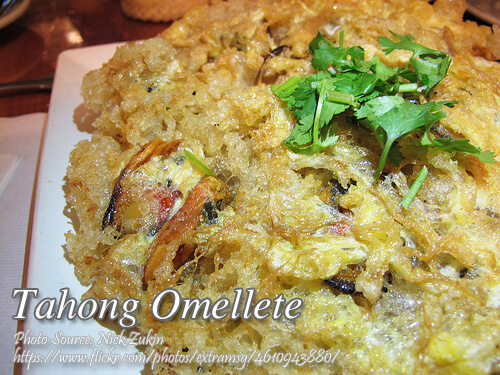
Tahong Omellete is a simple omelet recipe that contains mussels meat. This is a variation of the other seafood omelet like the oysters, shrimp or crab meat omelet. I think this version of seafood omelet is cheaper compared to those I’ve mentioned because mussels cost less than than shrimp, crab meat or oysters. And the best part, you don’t have to be a skilled chef to cook this omelet. if you can fry an egg, then this recipe is as simple as that.
Tahong Omellete: A Simple Dish That Feels Like Home
There are dishes that pull you right back to the kitchen of your childhood, and for me, this seafood omelet is one of them. I learned to make my first Tahong Omellete in my Auntie Liza’s little seaside home in Cavite. She lived close enough to the shore that fresh mussels were always available, and she would buy a bundle almost every morning. She said mussels were the most budget friendly among the day’s catch, so they found their way into many of her dishes. Compared to shrimp or crab, they stretched the budget without losing that comforting seafood flavor.
I grew up watching her whip up this recipe whenever she wanted something quick, cozy, and satisfying. The smell of garlic turning golden brown and the gentle crack of eggs being beaten are memories that never left me. When I cook this today, the aroma alone already feels like a warm hug.
Why Mussels Are Perfect for Tahong Omelet
Mussels have always been the unsung heroes of Filipino kitchens. They are affordable, easy to clean, and surprisingly versatile. My uncle, Tito Roman, swore that mussels bring out the best flavor when cooked fast and kept tender. He would always remind me not to boil them too long because they can get tough. A short boil opens the shells and keeps the meat plump, which is exactly what you want for this kind of omelet.
There is also a bit of history behind why mussels are common in Filipino recipes. Many fishing towns relied on them because they thrive naturally in our coastal waters. Families cooked them in soups, fried them, grilled them, or folded them into eggs just like this. Simple, hearty, and very Filipino.
Preparing the Seafood Filling of Tahong Omellete
Every time my cousin Marivic visited from Bataan, she would bring a basket of freshly harvested tahong. She always said that nothing beats seafood eaten the same day it comes out of the water. When she taught me her version of this omelet, she insisted on coarse chopping instead of mincing the mussel meat. She said it gives every bite a small burst of flavor.
The method is straightforward. Boil the mussels for a short moment until the shells open. Pluck the meat out, give it a rough chop, and they are ready for the pan. This technique works because it keeps the mussels juicy instead of letting them dry out. If the shells open, the job is done. No need to overthink it.
Building Flavor in the Pan
Garlic is always the first to hit the heat. My mother said garlic is the foundation of many Filipino dishes because it wakes up the flavor. Letting it turn brown gives a gentle nutty sweetness that blends beautifully with the onions that come next.
Once the onions soften, add the mussel meat and season with salt, pepper, and a little MSG if you like. My grandmother Nanay Ligaya never skipped the MSG, and she believed it lifted the savoriness of seafood more than anything else. This short sauté step helps the mussels absorb the aromatics, so when they meet the eggs later, the flavor is already layered. That is why this technique works. It turns simple ingredients into something that tastes fuller and richer.
Combining Eggs and Seafood
When the mussels are ready, whisk the eggs gently. You do not want too much air in them because airy eggs make the omelet break. Fold the sautéed mixture into the beaten eggs and heat a little oil in the pan. Pour it in, let it set, and cook it until the edges turn lightly crisp.
You can easily make two servings from this mixture. In our house, someone always grabbed the first one as soon as it left the pan, usually my brother Paolo who loved pairing it with tomato catsup. He said that sweet and tangy sauce made every spoonful feel like breakfast during summer vacation.
A Dish Made to Be Shared
This Tahong Omellete may look simple, but it carries the heart of many Filipino kitchens. It is easy enough for any beginner and flexible enough to adjust to your taste. Some families add a bit of chopped tomatoes. Others mix in sliced green onions.
No matter how you prepare it, this seafood omelet has a way of bringing everyone to the table. It is warm, affordable, and filled with memories. And sometimes, that is exactly what comfort food is supposed to be.
How to Cook Tahong Omellete (Mussels Omellete)
Ingredients
- 1 cup tahong mussels meat, coarsely chopped or whole
- 1 pc medium sized onion finely chopped
- 3 cloves garlic minced
- 1/2 tsp. salt
- 1/2 tsp. pepper
- 1 tsp. MSG or patis
- 3 pcs eggs
- 2 Tbsp. cooking oil
Instructions
How to cook tahong omellete:
- Boil the tahong for 1 to 2 minutes until the shells open. Remove the meat from the shells and chop coarsely.
- Saute garlic until brown. Add onion. Stir in tahong meat and season with salt, pepper, and MSG. Cook for 3 minutes in low heat.
- Beat eggs, add sauteed tahong. Heat a little oil in pan and pour in mixture. Fry. You can make two omelletes with this mixture. Serve with tomato catsup.
Notes
Cooking Tips:
Use Fresh Mussels When Possible
Fresh mussels give the omelet a cleaner and fuller seafood taste. They also stay tender after a quick boil, which helps the dish keep its soft bite. If fresh mussels are not available, thaw frozen ones fully so they cook evenly.Do a Short Sauté Before Mixing With Eggs
Sautéing garlic, onions, and mussels builds flavor before the eggs even hit the pan. This step helps the seafood absorb the seasoning and prevents bland spots in the omelet. It also removes excess moisture so the eggs cook firm, not watery.Keep the Heat Medium and Flip Gently
Medium heat cooks the omelet evenly without burning the edges. This gives you a soft center and a lightly crisp surface that holds the filling well. When flipping, move slowly so the mixture stays intact and the omelet keeps its shape.



Very easy to follow recipes..
Hi Teresita, thanks for your comment!