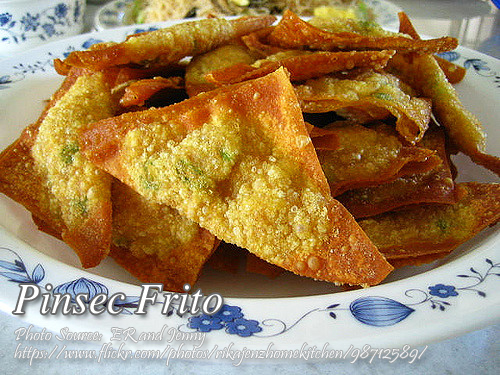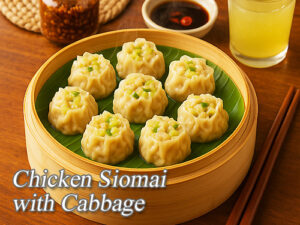
Pinsec prito or pinsec frito is very similar to the popular siomai, the filling and the wanton wrapper. The only difference is the shape of pinsec frito is usually triangular instead of the round shaped siomai. Actually this is the Pinoy version of fried wonton. There can be also differences of ingredients used on the filling. Some use pork, chicken, crab meat, shrimp or beef. This pinsec frito recipe I have here use beef and shrimp plus the extenders, mexican turnip (or jicama) and carrots for the filling.
Pinsec Frito (Filipino Fried Wonton): A Crispy Memory from My Childhood Kitchen
I still remember the first time I tasted pinsec frito at my Tita Lorna’s house in Pampanga. It was one of those lazy Sunday afternoons when everyone seemed to gather around the kitchen table just waiting for something crunchy to come out of the kawali. The smell of golden fried wontons filling the air—it was impossible to resist. She handed me one fresh from the pan, still sizzling, with a little bowl of sweet-sour sauce on the side. One bite and I was hooked. Crispy on the outside, juicy and flavorful inside—this humble snack quickly became a family favorite.
What is Pinsec Frito?
For those who haven’t tried it yet, pinsec frito is basically the Filipino version of fried wonton. It’s like the cousin of siomai, but instead of being steamed, it’s fried until crisp and golden. The main difference is the shape—these little dumplings are folded into neat triangles instead of the round open-top style we see with siomai.
In our family, the filling changes depending on what’s available. My Nanay sometimes used pork, my Kuya liked it with chicken, and when my Tita from Iloilo visited, she swore by using crab meat. But my favorite combination will always be what my Uncle Boy taught me: ground beef and chopped shrimp, with singkamas (Mexican turnip) and carrots for a bit of crunch and sweetness.
A Bit of History on Fried Wontons
Wontons have deep Chinese roots, but Filipinos, being the creative cooks that we are, adapted the recipe to fit our own taste. In the early years of Chinese-Filipino trade, fried wontons were introduced and soon became part of local menus. We gave them a name and flavor all our own—pinsec frito. The term “pinsec” likely comes from the Hokkien word for dumpling, while “frito” simply means fried in Spanish. Over time, this dish found its way to home kitchens, carinderias, and merienda tables across the country.
What makes it special is how each household adds its own twist. Some like it spicy, others keep it classic. It’s the kind of recipe that adapts easily and carries stories of family gatherings and hand-me-down tricks.
How I Make Pinsec Frito at Home
Whenever I cook pinsec frito now, I still follow my Uncle Boy’s simple technique. He always said the secret lies in the filling—“Don’t make it too wet,” he warned, “or the wrapper will tear.” So I chop my shrimp and beef finely, just enough for texture. Then I add minced onion, grated carrots, and singkamas for that signature crunch. A bit of salt, a dash of cornstarch to hold everything together, and one egg to bind the mixture.
I take half a teaspoon of filling and place it on one corner of the wrapper. Then, just like Tita Lorna taught me, I dip my finger in water, moisten the edges, and fold it into a perfect triangle. That small step helps seal the edges so the filling won’t burst while frying.
Now here’s a little cooking science: deep-frying at the right temperature—around medium-high heat—keeps the wontons from soaking up too much oil. If the oil is too cold, the wrapper gets soggy; too hot, and it burns before the inside cooks through. When done right, the result is golden brown and wonderfully crispy, with a juicy center that stays tender.
Serving and Enjoying This Filipino Fried Wonton
At home, we serve these freshly fried wontons right away, usually with a sweet-sour dipping sauce made from vinegar, sugar, and a touch of ketchup. My brother, Arnel, loves to drizzle a bit of chili oil for extra kick, while my cousins like dipping them in garlic mayo.
What I love most about this dish is how versatile it is. You can serve it as an appetizer, merienda, or even as a side dish during family get-togethers. It’s a guaranteed crowd-pleaser—simple ingredients, but big in flavor and nostalgia. Every crunchy bite reminds me of laughter echoing through the kitchen, the sound of oil sizzling, and the sight of everyone reaching for “just one more.”
Why You’ll Love Making Pinsec Frito
If you’re new to cooking, don’t worry—this recipe is beginner-friendly. The ingredients are easy to find, and the process is straightforward. You can even prepare the filling ahead of time, freeze the wrapped wontons, and fry them whenever the craving hits. It’s a perfect make-ahead snack for busy weekdays or sudden guests.
More than just a recipe, pinsec frito carries with it a piece of Filipino ingenuity—how we take inspiration from other cultures and make it our own. Each crisp triangle tells a story of family, tradition, and the simple joy of sharing food made with love.
So the next time you’re looking for something quick yet satisfying, try this Filipino fried wonton. Who knows, it might just become a staple at your own family gatherings, the way it did in mine.
Pinsec Frito (Filipino Fried Wonton)
Ingredients
- 1/4 kilo lean beef finely chopped
- 1/4 kilo shrimps chopped finely
- 1 pc onion chopped finely
- 1 pc carrot chopped finely
- 1/2 cup singkamas or mexican turnip finely chopped
- 1 tsp. MSG
- 1/2 tsp. salt
- 50 pcs. wanton wrapper
- 1 egg
- 2 Tbsp. cornstarch
- Cooking oil for deep frying
Instructions
How to cook pinsec prito:
- Mix thoroughly all ingredients (chopped beef, shrimp, onion, carrot, singkamas, MSG, salt, cornstarch and egg) except wanton wrapper and oil for deep frying.
- Place 1/2 tsp. mixture into one corner of wrapper, moisten edge of wrapper by dipping your finger in water and fold it to seal forming a triangle.
- Fry in deep fat until golden brown.
- Serve with sweet-sour sauce. Serve hot. Good for 6 persons.
Notes
Cooking Tips:
Keep the Filling Moist but Not Watery
A good pinsec frito starts with the right filling texture—juicy but firm enough to hold together. If your mixture is too wet, the wrapper will tear and the filling might spill out while frying. Add a bit of cornstarch or breadcrumbs to absorb excess moisture without drying the mixture.Seal the Edges Properly
When folding the wrapper, always moisten the edges with water before pressing them together. This helps create a tight seal, keeping the filling safely inside as it fries. A well-sealed wonton means crisp edges and no messy leaks in the oil.Fry in the Right Oil Temperature
Make sure your oil is hot enough—around medium-high heat—before dropping in the wontons. If the oil is too cold, they’ll soak up grease and turn limp instead of crispy. Too hot, and they’ll brown too fast without cooking the filling through.