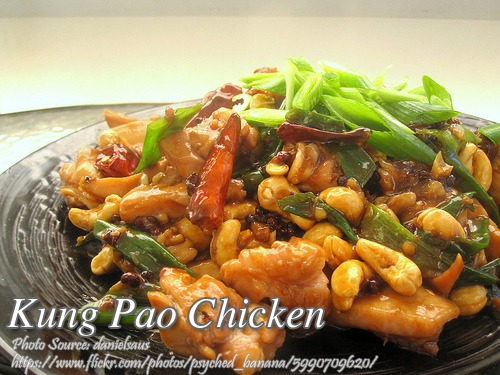
Kung pao chicken is I think, one of the easiest Chinese chicken dish you can cook. And on this recipe, the ingredients and procedures are simplified so you can make a very quick Chinese chicken dish for your dinner or lunch. To describe kung pao chicken, it is a spicy sweet stir-fried Chinese dish made with chicken, veggies, chili peppers.
It is also known as Gong Bao or Kung Po in its traditional Chinese name but the popular Kung Pao chicken is a westernize version. In this recipe, the amount of red chili flakes are at minimum because not everyone like spicy dishes but you can adjust the amount. You can also use chopped dried red chilies if red chili flakes is not available.
Kung Pao Chicken Is an Easy Chinese-Inspired Stir-Fry
Kung pao chicken is one of those dishes that looks like it came from your favorite Chinese restaurant but is surprisingly easy to prepare in your own kitchen. The combination of tender chicken, crunchy peanuts, colorful vegetables, and a sweet, savory, and slightly spicy sauce creates a meal that’s satisfying without requiring complicated techniques or hard-to-find ingredients.
The first time I made kung pao chicken at home, I expected it to be much more difficult than it actually was. Once everything was sliced and measured, the cooking itself took only a few minutes. That’s the beauty of stir-frying. The preparation takes a little time, but the actual cooking moves quickly. If you’ve never cooked a Chinese-inspired dish before, this recipe is an excellent place to start because it teaches a few basic techniques that you’ll use again and again.
This homemade version keeps the heat level mild enough for most families, but it’s easy to adjust if you enjoy spicier food. Best of all, it pairs perfectly with a bowl of freshly steamed rice, making it an ideal lunch or dinner any day of the week.
What Is Kung Pao Chicken?
Kung pao chicken traces its roots to Sichuan cuisine in China, where the original dish is known as Gong Bao Ji Ding. Traditional versions often feature dried chilies and Sichuan peppercorns, giving the dish its signature spicy and slightly numbing flavor. As the recipe spread across different countries, it evolved to suit local tastes.
The version many of us know today is a little sweeter, less spicy, and includes vegetables like bell peppers and onions. While it may differ from the authentic Sichuan preparation, it still captures the balance of sweet, salty, tangy, and nutty flavors that make this dish so popular.
That’s one reason this stir-fried chicken recipe has become a favorite in many Filipino homes. The ingredients are easy to find, the cooking process is simple, and the flavors appeal to both adults and children.
Why Cornstarch Makes the Chicken Tender
One simple step that makes a noticeable difference is coating the chicken with cornstarch before cooking. At first, it might seem unnecessary, but after trying it several times, I wouldn’t skip it.
The thin coating helps seal in moisture while the chicken cooks over high heat. Instead of drying out, the meat stays juicy and develops a delicate crust that allows the sauce to cling beautifully to every piece. If you’ve ever wondered why restaurant-style stir-fried chicken has such a silky texture, this technique is one of the reasons.
Avoid overcrowding the wok when cooking. If too many pieces are added at once, the chicken releases moisture and begins to steam instead of browning. Cooking in a single layer gives better color and flavor.
Building Flavor in Kung Pao Chicken
Once the chicken is cooked, the same wok becomes even more flavorful. Small browned bits left behind from the first cooking add depth to the vegetables and sauce.
Garlic and ginger should only cook for a few seconds until fragrant. It’s a small detail, but timing matters. Garlic burns quickly over high heat, and burnt garlic can leave a bitter taste throughout the dish. When the aroma becomes noticeable, it’s time to add the onions, spring onions, and red bell pepper.
The vegetables should remain slightly crisp instead of becoming soft. Stir-frying over high heat preserves their fresh texture and natural sweetness. This contrast between tender chicken and crisp vegetables is one of the reasons this dish feels satisfying without being heavy.
Making the Sauce for Kung Pao Chicken
The sauce comes together with vinegar, soy sauce, and sugar. Although the ingredient list is short, each one plays an important role.
Soy sauce provides the savory base while vinegar adds brightness that balances the sweetness of the sugar. As the mixture simmers briefly, the sugar dissolves completely, creating a smooth sauce that coats every ingredient evenly.
Once the chicken is returned to the wok, stir continuously so every piece absorbs the sauce. Within a minute, you’ll notice the liquid slightly thickening as it combines with the cornstarch coating on the chicken. This happens naturally without needing additional thickener, creating a glossy finish that looks just as good as it tastes.
Adjusting the Heat Without Losing Flavor
One thing I appreciate about homemade kung pao chicken is how easy it is to customize.
The recipe uses only a small amount of red chili flakes, making it suitable even for those who don’t usually enjoy spicy food. If your family prefers more heat, simply increase the chili flakes or substitute chopped dried red chilies.
I’ve found that adding a little at a time works best. Once the spice is in the wok, it’s difficult to remove. Starting with less allows you to taste and adjust before serving.
The peanuts also help balance the heat. Their roasted flavor and crunchy texture provide contrast to the savory sauce while softening the impact of the chilies.
Common Mistakes Beginners Can Avoid
Because this recipe cooks so quickly, preparation is everything. Slice the vegetables, coat the chicken, and measure the sauce ingredients before heating the wok.
One mistake beginners often make is trying to prepare ingredients while something is already cooking. Stir-frying happens fast, and even a short distraction can overcook the garlic or leave the vegetables too soft.
Another common issue is using low heat. A properly heated wok helps ingredients cook quickly while maintaining their texture. High heat also allows moisture to evaporate rapidly, preventing the dish from becoming watery.
If your sauce seems thinner than expected, allow it to simmer for a few extra seconds after returning the chicken. As the liquid reduces slightly, it naturally becomes richer and coats the ingredients more evenly.
Serving Kung Pao Chicken for Everyday Meals
Freshly cooked kung pao chicken is best served immediately while the vegetables are still crisp and the peanuts retain their crunch.
Steamed white rice is the classic pairing because it absorbs every drop of the flavorful sauce. Brown rice also works well if you prefer a heartier meal.
Leftovers can be refrigerated and gently reheated the next day. I usually warm them in a pan over medium heat instead of using the microwave. This keeps the chicken tender and helps the vegetables maintain a better texture.
Why You’ll Love This Kung Pao Chicken Recipe
There are plenty of reasons this recipe deserves a spot in your regular meal rotation. It comes together quickly, uses simple pantry ingredients, and delivers restaurant-inspired flavor without complicated techniques.
Even after making this dish many times, I still enjoy watching the sauce come together as it coats the chicken with its glossy finish. The aroma of garlic, ginger, soy sauce, and toasted peanuts filling the kitchen is always a good sign that dinner is almost ready.
Whether you’re cooking your very first Chinese-inspired meal or simply looking for a dependable weeknight dinner, this homemade version is approachable, forgiving, and full of flavor. Once you become comfortable with the basic stir-fry method, you’ll find yourself returning to this recipe whenever you’re craving a quick, satisfying meal that’s guaranteed to disappear from the table.
How to Cook Kung Pao Chicken
Ingredients
- 1/2 kilo chicken breast fillet slice into one inch pieces
- 1 Tbsp corn starch
- 2 tsp sesame oil or sunflower oil
- 2 Tbsp. spring onions chopped
- 2 cloves garlic minced
- 1/2 tsp. red pepper flakes
- 1 tsp. ginger grated
- 2 Tbsp. rice wine vinegar
- 2 Tbsp. soy sauce
- 2 tsp. sugar
- 1/4 cup roasted peanuts
- 1 Tbsp. spring onion for garnishing
Instructions
How to Cook Kung Pao Chicken:
- In a bowl, put the corn starch and toss in the chicken fillet to coat with the cornstarch.
- Heat oil in the non-stick wok and stir fry the chicken for 5 minutes. Turn off heat and remove the chicken from the wok and put in an bowl and set aside.
- Heat the same wok and another teaspoon of oil. Then add in the garlic, onion, spring onion, red pepper, ginger and stir fry for a few seconds then add in the vinegar, soy sauce and sugar. Stir again and simmer for a few seconds or until sugar is dissolved.
- Return the chicken in the wok and stir until well coated with the sauce. Add in the peanuts and stir occasionally. Cook for a minute then turn off heat. Transfer to a serving dish and garnish with spring onions. Serve hot with steamed rice.
Notes
Coat the Chicken Evenly
Toss the chicken thoroughly with cornstarch so every piece has a light, even coating before cooking. This helps lock in moisture and creates a delicate surface for the sauce to cling to. Shake off any excess cornstarch to prevent the coating from becoming gummy.Cook Over High Heat
Preheat your wok or skillet before adding the ingredients to ensure they sear instead of steam. High heat cooks the chicken quickly while keeping the vegetables crisp and vibrant. Since stir-frying happens fast, have all your ingredients prepared before you start cooking.Add the Peanuts at the End
Stir in the peanuts during the final minute of cooking to keep them crunchy. Adding them too early can soften their texture as they absorb moisture from the sauce. For even more flavor, use lightly roasted peanuts before mixing them into the dish.

Hi. Is there an alternative for the rice wine vinegar, something that is widely available in the local stores perhaps? Thank you.
Hi Hot pie, if can find rice vinegar instead of rice wine vinegar, as far as I know they are basically the same. You can also substitute it with apple cider vinegar according to the site cookinglight dot com.