
Adobong tulingan is very easy to cook. Tulingan or Skipjack Tuna is commonly found in wet market in the Philippines. So I think it will not be hard for you to find this main ingredient of this dish. The only thing about tulingan is the very fishy taste and smell so not many people are fond of eating tulingan. The fish meat is also very dense, dry and tough if you cook it well done.
You also have to know how to clean this fish not only removing the gills and innards but also the glands at the base if the tail which have toxins. You can also use other varieties of tuna like the yellow fin tuna or mackerel tuna to cook this dish if tulingan is hard to find in your area.
A Flavorful Filipino Twist on Traditional Adobo
Adobong tulingan is a flavorful Filipino fish dish that brings together the familiar savory, tangy, and slightly sweet flavors of traditional adobo. Made with skipjack tuna, garlic, onion, ginger, soy sauce, vinegar, and bay leaves, this dish is a delicious way to prepare a fish that isn’t always everyone’s favorite.
Tulingan is commonly sold in Philippine wet markets, so finding it shouldn’t be too difficult. However, this fish has a distinct smell and flavor that some people find too strong. Its meat is also naturally dense and firm, which means it can become dry and tough when overcooked. The good news is that a little preparation and the right cooking technique can make a big difference.
In this recipe, the fish is first seasoned with salt and fried until golden brown before being simmered in a fragrant adobo sauce. Frying helps develop a flavorful outer crust and gives the fish enough structure to hold its shape when mixed with the sauce. The result is a satisfying home-cooked meal that’s especially good with a generous serving of steamed rice.
Why You’ll Love This Adobong Tulingan Recipe
If you’re familiar with Filipino adobo, you’ll recognize the combination of soy sauce, vinegar, garlic, and bay leaves. These ingredients create the familiar adobo flavor, but the addition of ginger makes this fish version particularly enjoyable.
Ginger is an important ingredient here because it helps balance the strong aroma of the fish. It adds a warm, slightly peppery fragrance without overpowering the natural flavor of the tuna. I wouldn’t recommend skipping it, especially if you’re sensitive to the smell of fish.
Another thing I like about this cooking method is that the fish is fried separately before being added to the sauce. Instead of simmering raw fish directly in the liquid, frying gives the pieces a firmer exterior. This makes them less likely to break apart during the final cooking stage.
The sauce also has a nice balance of flavors. Soy sauce provides saltiness and depth, vinegar gives it a pleasant tang, and brown sugar rounds everything out with a subtle sweetness. It’s not meant to taste sweet like a glaze. The sugar simply softens the sharpness of the vinegar and saltiness of the soy sauce.
What Is Tulingan?
Tulingan, commonly known as skipjack tuna, is a type of tuna widely available in the Philippines. It’s a familiar sight in local wet markets, where it’s sold whole or cut into smaller portions.
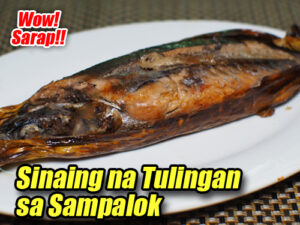
Filipino households prepare this fish in different ways, including paksiw, sinaing, and fried fish dishes. Its firm flesh makes it suitable for cooking methods that allow it to absorb plenty of flavor.
However, skipjack tuna has a stronger fishy aroma than some other varieties. Its meat is also quite dense, so cooking it for too long can make it dry and chewy. This is why proper cleaning and careful cooking are especially important.
If you’re unable to find fresh tulingan, you can use other tuna varieties, such as yellowfin tuna or mackerel tuna. Keep in mind that the texture and cooking time may vary depending on the thickness and size of the fish pieces.
How to Prepare Tulingan Before Cooking
Before making the adobo sauce, take some time to clean the fish properly. This is an important step because even a well-seasoned sauce won’t completely hide unpleasant odors from improperly cleaned seafood.
Remove the gills and internal organs, then rinse the fish thoroughly under clean running water. Pay particular attention to the bloodline and any dark tissue inside the cavity, as these can contribute to a stronger fishy smell.
Tulingan also has a glandular area near the base of the tail that requires careful removal. Ask your fish vendor to clean the fish properly if you’re unfamiliar with this preparation. Avoid cutting or handling unfamiliar glandular tissue carelessly. Proper cleaning and sourcing from a reputable fish vendor are important for food safety.
After cleaning, cut the fish into serving portions if it hasn’t already been prepared that way. Pat the pieces dry with paper towels before seasoning. This small step is worth doing because excess moisture can cause the oil to splatter and prevent the fish from browning properly.
Rub the pieces with rock salt or regular table salt. The salt seasons the flesh and helps bring out the natural flavor of the tuna. You don’t need to add too much, especially since the soy sauce in the adobo mixture will provide additional saltiness.
Frying the Fish Until Golden Brown
Heat enough cooking oil in a frying pan over medium heat. Once the oil is hot, carefully add the salted fish pieces and fry until golden brown on the outside.
Avoid overcrowding the pan. When too many pieces are added at once, the temperature of the oil drops, causing the fish to release moisture and cook unevenly instead of developing a nice golden crust.
Let each piece cook undisturbed until the underside is browned before turning it over. Moving the fish too frequently can cause it to stick or break apart, especially if the surface hasn’t formed a crust yet.
The goal isn’t to make the fish extremely crispy or cook it until completely dry. You’re simply developing color and flavor while giving the pieces a firmer exterior. Depending on their thickness, the cooking time will vary, so check that the fish is safely cooked through.
Once browned, transfer the pieces to a plate and set aside. Don’t worry if the fish isn’t completely coated in seasoning at this stage. The adobo sauce will take care of that later.
Making the Flavorful Adobo Sauce
In another pan, sauté the garlic, onion, and ginger until fragrant. Start with the garlic, allowing it to release its aroma without letting it burn. Add the onion and ginger, then cook until the onion softens.
You’ll notice the kitchen filling with a familiar savory fragrance. This aromatic mixture is the foundation of the sauce, and cooking it first helps develop a deeper flavor than simply combining all the ingredients in cold liquid.
Pour in the soy sauce and vinegar, then add the bay leaves, brown sugar, and ground black pepper. Stir gently to distribute the ingredients.
Bring the mixture to a simmer and allow it to cook for a few minutes. This gives the flavors time to come together. The vinegar’s sharp aroma will mellow as it heats, while the soy sauce and aromatics create a richer, more rounded base.
One useful tip when cooking adobo is to let the vinegar simmer before stirring it too much into the other ingredients. This allows its initial sharp smell to dissipate and helps produce a more balanced sauce. You don’t need to boil it aggressively. A gentle simmer is enough.
Taste the sauce before adding the fish. If it’s too salty, add a little water. If the vinegar tastes too sharp, a small amount of additional brown sugar can help balance it. Make adjustments gradually because it’s easier to add seasoning than to correct an overly strong sauce.
Simmering the Fried Tulingan in the Sauce
Once the sauce is ready, gently add the fried tuna pieces to the pan. Turn them carefully so each piece gets coated with the mixture.
Allow the fish to simmer briefly over low to medium-low heat. The purpose of this final step is to let the sauce cling to the fried surface and season the fish without cooking it for too long.
Since the tuna has already been fried, there’s no need for an extended simmer. Overcooking is one of the most common mistakes when preparing this dish. Skipjack tuna has a naturally firm texture, and prolonged cooking can make the flesh even drier.
If the sauce becomes too thick before the fish is properly heated, add a small splash of water. This loosens the mixture and prevents the bottom from scorching.
You can spoon some of the sauce over the fish while it simmers. This helps distribute the flavor without repeatedly turning the pieces and risking broken fish.
When everything is heated through and the sauce has reached your preferred consistency, remove the pan from the heat.
Tips for Making the Best Adobong Tulingan
Choosing fresh fish is the first step toward a delicious meal. Look for tulingan with clear eyes, shiny skin, and flesh that feels firm. It should smell fresh and mildly briny rather than strongly unpleasant or sour.
Another important tip is to dry the fish thoroughly before frying. Wet fish can splatter in hot oil, and the extra moisture makes browning more difficult.
Be careful with the salt, too. Although the fish is seasoned before frying, soy sauce will contribute plenty of salt to the finished dish. Taste the sauce first before deciding whether additional seasoning is necessary.
Finally, resist the temptation to keep simmering the fish just because you want the sauce to become thicker. You can remove the fish temporarily and reduce the sauce separately if needed, then return the pieces briefly to coat them. This helps preserve the texture of the tuna.
What to Serve With Adobong Tulingan
Like most Filipino adobo dishes, this fish recipe is best enjoyed with freshly cooked steamed rice. The savory and tangy sauce is delicious spooned over hot rice, making even a simple meal feel satisfying.
You can also serve it with sliced tomatoes, salted eggs, or a simple vegetable side dish. These provide a refreshing contrast to the rich, savory sauce.
If you enjoy a little heat, add a few pieces of fresh chili while simmering the sauce. It gives the dish a gentle kick without changing its familiar adobo character.
A Little Food History About Filipino Adobo
Adobo is one of the most recognizable cooking traditions in the Philippines. The name comes from the Spanish word adobar, which means to marinate or season. However, the Filipino method of cooking meat and other ingredients with vinegar, salt or soy sauce, garlic, and spices has its own history and local variations.
Before refrigeration became common, vinegar was an especially useful ingredient in Filipino kitchens. Its acidity helped create flavorful dishes and was part of traditional cooking practices for preserving food. Over time, adobo developed into countless regional and household versions.
Although pork and chicken are probably the most familiar choices, Filipinos also prepare adobo using seafood and vegetables. Fish adobo is a practical example of how adaptable this cooking tradition can be. The ingredients remain familiar, but the cooking method is adjusted to suit the delicate texture and natural flavor of the main ingredient.
This tuna version is another reminder that Filipino adobo isn’t limited to one fixed recipe. Every household can adjust the balance of vinegar, soy sauce, garlic, and sweetness according to personal preference.
Frequently Asked Questions
Can I use another kind of fish for this recipe?
Yes. Yellowfin tuna and mackerel tuna are suitable alternatives if skipjack tuna isn’t available. Choose firm-fleshed fish that can withstand frying and a short simmer in the sauce. Cooking times may differ depending on the thickness of the pieces.
How do I reduce the fishy smell?
Start by buying fresh fish and cleaning it thoroughly. Remove the gills, internal organs, and bloodline, then rinse and pat the pieces dry. Ginger, garlic, and onion also help balance the natural aroma of the fish.
Why does my tuna turn out dry and tough?
This usually happens when the fish is overcooked. Tuna has dense flesh that can become dry with prolonged exposure to heat. Fry it until properly browned and cooked through, then simmer it briefly in the prepared sauce.
Can I make the adobo sauce ahead of time?
Yes. You can prepare the sauce in advance and refrigerate it in a covered container. When you’re ready to cook, reheat the sauce gently and add the freshly fried fish. This is a convenient way to save time on busy days.
Enjoy Homemade Adobong Tulingan!
If you’re looking for another way to enjoy tulingan, this Filipino fish adobo is worth adding to your regular meal rotation. The combination of garlic, ginger, soy sauce, and vinegar gives the tuna plenty of flavor, while the quick simmer helps keep the meat from becoming unnecessarily dry.
Serve it with steaming rice, spoon some of that delicious sauce over the top, and enjoy a comforting Filipino home-cooked meal. Even if you’re not usually a fan of tuna’s strong flavor, this preparation might just change your mind.
How to Cook Adobong Tulingan (Skipjack Tuna Adobo)
Ingredients
- 4 pcs Tulingan or Skipjack Tuna cleaned and cut the sides diagonally
- 1 pc onion chopped
- 3 cloves garlic crushed
- 1 inch ginger slivered
- 3 Tbsp. soy sauce
- 3 Tbsp. vinegar
- 1 tsp. black pepper
- 3 pcs laurel leaves
- 1 tsp. brown sugar
Instructions
How to Cook Adobong Tulingan:
- Coat pieces of skipjack Tuna with rock salt or table salt and fry until golden brown.
- In another pan, saute garlic, onion and ginger.
- Then add soy sauce, vinegar, laurel leaves, brown sugar and pepper.
- Simmer for a few minutes then put the fried tulingan.
- Coat the fried fish with the sauce to make a flavorful dish.
Notes
Choose and Clean Fresh Tulingan Properly
Choose fresh tulingan with clear eyes, shiny skin, and firm flesh for the best flavor and texture. Remove the gills, internal organs, and bloodline, and have the glandular tissue near the base of the tail properly removed before cooking. Pat the fish dry with paper towels to reduce oil splatters and help it brown evenly when fried.Fry the Fish Until Golden Brown
Season the fish with salt before frying to bring out its natural flavor. Cook over medium heat until golden brown on both sides, allowing the surface to develop a firm crust that helps keep the pieces intact in the adobo sauce. Avoid overcrowding the pan, as this lowers the oil temperature and prevents proper browning.Don't Overcook the Tuna in the Sauce
Once the garlic, onion, ginger, soy sauce, vinegar, and seasonings have simmered, gently add the fried fish. Let it simmer briefly over low to medium-low heat so the sauce coats the tuna without drying out its naturally dense flesh. If the sauce becomes too thick, add a little water rather than extending the cooking time.
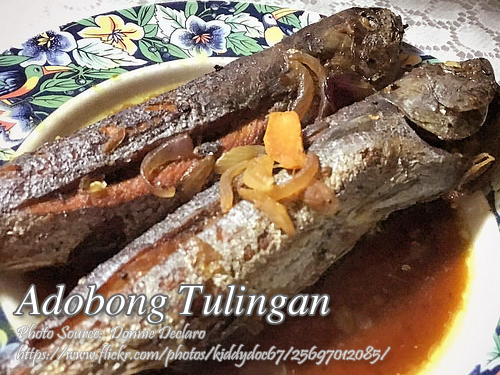

Hi CJ and Mae, I changed the photo. I hope this adobong tulingan looks alright to you.
it’s a nice dish. 🙂 God bless!
i agree it’s a tambakol not a tulingan, a tambakol is flat shaped when sliced. a tulingan acquires the shape of dalagang bukid fish but more stuffed.
FYI: That is tambakol not tulingan. 🙂
Hi Mae, are you sure it’s a tambakol? how did you know?