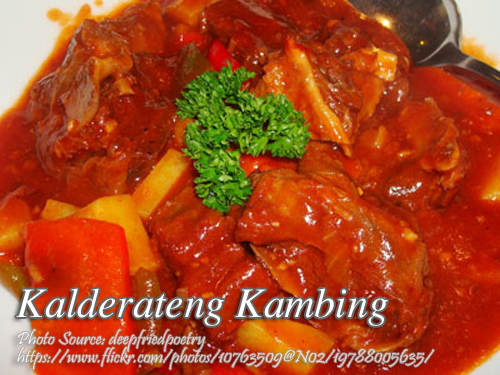
Kalderetang kambing is basically goat meat stew in tomato sauce added with cheese and liver spread. Preparing the goat meat is very different from other red meat like beef or pork because you have to remove or eliminate the gamey or musky odor and flavor of the meat. There are different ways also to prepare the goat meat and some use vinegar and spices but the recipe I have use sherry to remove the musky odor and a more flavorful dish. If you can’t get sherry, you can use dry white wine as as substitute.
Compared to other kaldereta, kalderetang kambing is more special and served in special occasions. It is also perfect as an appetizer or pulutan, a perfect combination of beer.
What Makes Kalderetang Kambing Special
Kalderetang kambing is one of those Filipino dishes that feels a little more special than the usual beef or pork kaldereta. It has tender goat meat simmered in a rich tomato sauce, with liver spread, cheese, pimiento, and olives adding layers of savory flavor. It is hearty enough for a family meal but also has the kind of bold taste that makes it right at home on a table of pulutan.
If you have never cooked goat before, the meat may seem intimidating at first. Goat has a distinct musky or gamey aroma, especially when the meat comes from an older animal. The good news is that you can manage this quite well with proper preparation. In this version, I use sherry to help mellow that strong flavor while giving the meat another layer of flavor at the same time.
I find that this extra step makes a noticeable difference. Instead of trying to cover the natural taste of the goat with lots of spices, you are preparing the meat properly from the start.
How to Prepare Goat Meat for Kalderetang Kambing
The first thing I pay attention to when making this goat stew is the marinade. Toss the goat meat with about 1/4 cup of sherry or Shaoxing rice wine and let it sit for at least an hour.
The alcohol and acidity in the wine help soften some of the strong aromas of the meat. More importantly, the sherry brings a slightly nutty, complex flavor that works surprisingly well with the tomato-based sauce later on. If sherry isn’t available, dry white wine is a practical substitute.
You might be tempted to skip the marinating time because it adds an extra hour to the recipe. I wouldn’t. Goat has a stronger character than beef or pork, and this is one of those small preparations that pays off once the dish reaches the table.
The quality and age of the meat also matter. Younger goat meat generally becomes tender more easily, while tougher cuts may need considerably more simmering time. Don’t rely on the clock alone. When a fork can slide into the meat without much resistance, that’s when you know you’re getting close.
Why Browning the Goat Meat Matters
After marinating, drain the meat and brown it lightly in a heavy frying pan over medium heat with 1/4 cup of oil. The pan should be hot enough for the meat to sizzle as soon as it hits the surface.
You don’t need to cook the goat all the way through at this point. The goal is to develop color on the outside.
This is an important cooking technique because browning creates deeper savory flavors that you won’t get from simply dropping raw meat into the tomato sauce. You’ll notice browned bits forming on the surface of the meat, and those little bits contribute to the finished dish.
Once lightly browned, transfer the meat to a plate and set it aside.
Don’t worry if the goat still feels tough at this stage. It hasn’t had enough time to tenderize yet. The long, gentle simmer that follows is what transforms it.
Building the Tomato Sauce
For the sauce, I like using a thick pot with a lid because it holds heat well and keeps the liquid from evaporating too quickly. Heat the remaining olive oil over low heat and sauté the garlic until lightly browned.
Watch the garlic closely here. Burnt garlic can turn bitter, and that bitterness is difficult to fix later. Once it smells fragrant and has taken on a light golden color, add the tomatoes.
Let the tomatoes simmer for about five minutes before adding the tomato sauce. Simmer for another five minutes, stirring every couple of minutes.
This may seem like a small detail, but don’t walk away from the pot for too long. Tomato mixtures can catch on the bottom when cooked over low heat, especially as they thicken. A quick stir every few minutes keeps the sauce from scorching.
Cooking the tomatoes before adding the meat also gives them time to develop a fuller flavor. The sauce becomes less raw-tasting and starts to take on that familiar richness we expect from a good kaldereta.
Simmering the Meat Until Tender
Add the browned goat meat to the tomato mixture and let it simmer for about five minutes. Then pour in the water or broth and continue simmering for another ten minutes.
At this point, patience becomes your best cooking tool.
Goat meat needs time to become tender, and the exact cooking time can vary considerably. I’ve found that this is one recipe where following a fixed cooking time too strictly can lead to disappointment. If the meat is still chewy, keep simmering. If the liquid is getting low before the goat is tender, add more broth or water.
Keeping enough liquid in the pot is especially important because the sauce will continue reducing as it cooks. You want it to become thick and rich eventually, but not before the meat has had enough time to soften.
Keep the heat gentle. A slow simmer gives the connective tissues in tougher meat time to break down without aggressively boiling the meat. That is what helps produce a tender, succulent texture instead of meat that is dry and chewy.
Adding the Signature Kaldereta Flavors
Once the goat is beginning to turn tender, add the liver spread, pimiento, olives, and cheese. These ingredients are what give the stew its distinctive richness.
The liver spread adds body and a deep savory flavor to the sauce. Cheese brings saltiness and creaminess, while pimiento adds a mild sweetness and bright color. The olives contribute a salty, slightly tangy contrast that keeps the sauce from tasting too heavy.
Stir everything well and continue simmering until the meat is completely tender.
If the sauce becomes too thick while the goat is still cooking, add a little more broth or water. Don’t be afraid to adjust the consistency as you go. A thick sauce is desirable, but it should still be loose enough to coat the meat properly.
Finishing Kalderetang Kambing
When the goat is tender, season the stew with hot sauce and salt according to your taste. Add the remaining two tablespoons of sherry and simmer for another minute.
Adding some of the sherry near the end gives the finished dish a fresh layer of its flavor. Since most of the cooking has already happened, you can actually notice its character more clearly instead of having it completely disappear into the sauce.
Taste before serving and make your final adjustments. Sometimes the olives, cheese, and liver spread already provide plenty of salt, so add additional salt gradually.
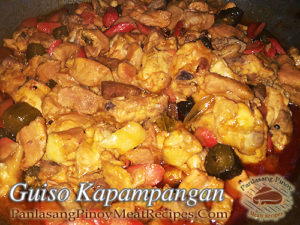
The finished kalderetang kambing should have tender pieces of goat coated in a thick, savory tomato sauce. It shouldn’t be watery, but the sauce shouldn’t be so dry that there is nothing left to spoon over rice.
A Little Food History Behind Kaldereta
Kaldereta is widely recognized as a Filipino stew, although its name and some of its cooking influences are often associated with Spanish culinary traditions. The dish evolved in the Philippines into many regional and family versions, using beef, goat, pork, or other meats depending on what was available.
Goat became a particularly good match for this style of stew because the bold meat benefits from a strongly seasoned sauce. Over time, Filipino cooks added ingredients such as liver spread, cheese, olives, pimiento, and hot sauce, creating the rich version many families know today.
Goat dishes also have a special place in Filipino celebrations and gatherings. They are often associated with occasions when there’s a reason to prepare something beyond the everyday meal.
Serving This Goat Stew at Home
Serve the stew hot with plenty of steamed rice. The thick tomato sauce is made for spooning over rice, especially when the cheese and liver spread have given it that rich, almost silky consistency.
For gatherings, kalderetang kambing also makes a satisfying pulutan. The spicy, savory sauce pairs naturally with cold drinks, which is one reason this dish often feels right at a celebration or weekend get-together.
If you’re serving guests who aren’t accustomed to goat, don’t announce that it’s intimidating. Just let the dish speak for itself. When the meat is properly prepared and tender, the result is rich, flavorful, and much less gamey than many first-time diners expect.
The biggest lesson I learned from cooking goat is that preparation and patience matter more than complicated techniques. Take time to marinate the meat, brown it before simmering, keep enough liquid in the pot, and cook until genuinely tender rather than stopping because the timer says so. Those simple steps make all the difference between tough, strongly scented meat and a comforting Filipino stew worth making for a special occasion.
How to Cook Kalderetang Kambing
Ingredients
- 1 kilo goat meat cut into 2-inch cubes lamb or duck meat can be substituted
- ¼ cup and 2 tbsp. Sherry or Shaoxing rice wine
- ½ cup olive oil
- 1 tsp. crushed garlic
- 1 cup peeled, seeded and chopped tomatoes
- ½ cup tomato sauce
- 1 cup water or beef broth
- ¼ cup liver spread
- ¼ cup canned pimientos or about ½ pimiento juliened
- ¼ cup whole olives
- 2 tbsp. Grated Edam or cheddar cheese
- ½ tsp. Hot chili sauce
- ½ tsp. Black pepper or ¼ tsp. Chopped chili
- 1 tsp. Salt
Instructions
How to Cook Kalderetang Kambing:
- Marinate meat in ¼ cup sherry for at least 1 hour.
- In a heavy frying pan over medium fire, heat ¼ cup of the oil until slightly smokey, then brown meat slightly.
- Remove from pan and set aside. In a thick, medium pot with lid over low fire, heat the rest of the olive oil.
- Saute garlic until light brown.
- Add tomatoes and simmer for 5 minutes then add tomato sauce and simmer another 5 minutes.
- Stir mixture every 2-3 minutes to prevent burning.
- Add meat to tomato mixture and simmer for 5 minutes.
- Add water or broth and simmer another 10 minutes.
- Add liver spread, pimiento, olives and cheese and simmer until meat is tender.
- If the mixture is too thick, add more broth or water.
- ( the time required to tenderize the meat depends a lot on the quality of the meat , so watch out that the liquid does not dry up.)
- Season with hot sauce and salt to taste. Add remaining 2 tbsp sherry and simmer for 1 minute. Adjust seasonings to taste.
Notes
Marinate the Goat Meat Well
Marinating the goat meat in sherry for at least an hour helps mellow its strong, gamey aroma and adds flavor. Make sure the pieces are evenly coated so the wine can work on all sides of the meat. If sherry is unavailable, dry white wine is a good substitute.Brown the Meat Before Stewing
Lightly browning the goat meat in hot oil adds a deeper, more savory flavor to the finished stew. Avoid overcrowding the pan, as too much meat at once can release moisture and prevent proper browning. You only need to brown the surface because the meat will finish cooking and tenderizing in the sauce.Keep Enough Liquid While Cooking
Goat meat can take time to become tender, so keep the heat low and check the pot occasionally while it simmers. If the sauce becomes too thick before the meat is tender, add a little broth or water to prevent it from drying out or burning. Let the meat's tenderness guide you rather than relying only on a fixed cooking time.


The goat meat? its in the kaldereta dish. Please read the recipe again.
Where did the goat meat go?