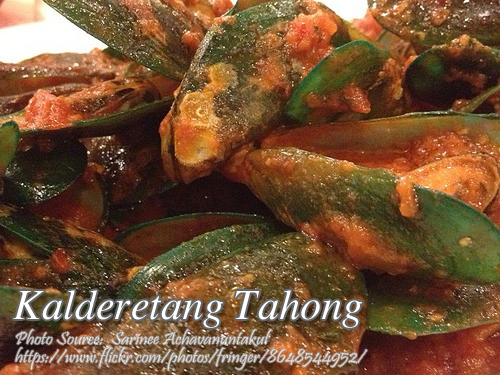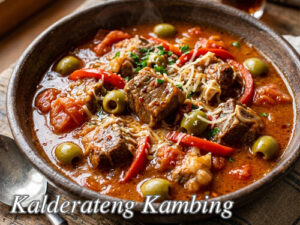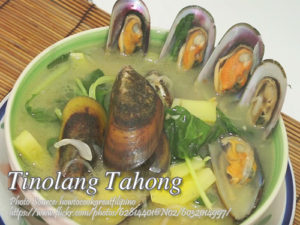
Another version of caldereta is the kalderetang tahong. Since the main ingredient is seafood, it is a quick cooking dish. And to speed up the cooking time we also need to use a caldereta mix which you can buy in powdered or liquid form. Preparing the mussels will depend on your preference. You can include the shells in your cooking or remove it and just take the mussels meat.
Kalderetang Tahong for Quick and Budget-Friendly Family Meals
When people hear the word caldereta, beef or goat meat usually comes to mind first. It is the kind of dish many Filipino families prepare for birthdays, fiestas, and special gatherings because of its rich tomato-based sauce and hearty flavor. But over the years, many home cooks have created simpler and more affordable versions using chicken, pork, canned goods, and seafood. One of the easiest and most practical variations is kalderetang tahong.
This seafood version is especially popular in coastal towns where fresh mussels are easy to find and cheaper than meat. It delivers the same savory and slightly creamy sauce associated with traditional caldereta, but cooks in a fraction of the time. On busy weekdays, this dish becomes a lifesaver because you can prepare it without spending hours in the kitchen.
I first tried cooking kalderetang tahong during a rainy afternoon when I wanted something comforting but did not have enough time to prepare beef caldereta. There was a bag of fresh tahong in the refrigerator, a few potatoes sitting on the counter, and an extra pack of caldereta mix in the pantry. What started as a quick experiment eventually became one of those repeat recipes everyone at home asks for whenever fresh mussels are available.
The beauty of this mussels caldereta is how beginner-friendly it is. Unlike tougher meats that require long simmering to become tender, tahong cooks very quickly. The trick is learning when to add each ingredient so the mussels stay juicy while the vegetables absorb the rich sauce.
Why Kalderetang Tahong Works Well for Beginners
Many beginner cooks avoid seafood because they are afraid of overcooking it. Tahong, however, is actually forgiving when prepared properly. Once boiled briefly and removed from the shell, the mussel meat only needs a few minutes in the sauce to absorb flavor.
One thing I learned after making kalderetang tahong several times is that boiling the mussels first does more than simply cook them. The broth released during boiling carries a naturally briny and sweet seafood flavor that gives the sauce more depth. Throwing away that broth would be a missed opportunity. Instead, it becomes the cooking liquid for the potatoes and sauce.
Simmering the potatoes in the tahong broth also improves the overall flavor of the dish. Potatoes act like little sponges, soaking up the savory seafood taste while helping thicken the sauce naturally. If the potatoes are added too late, they stay bland even if the sauce itself tastes good.
Another advantage of this recipe is the use of caldereta or mechado sauce mix. While some traditional cooks prefer making sauce from scratch, using a ready-made mix saves time and creates consistent flavor, especially for beginners. It already contains tomato seasoning, spices, and thickening agents that help produce that familiar caldereta taste without needing many separate ingredients.
Preparing the Tahong Properly
Fresh mussels need a little attention before cooking, but the process is simple once you get used to it. One common mistake beginners make is skipping the cleaning process. Tahong often carries bits of sand or dirt attached to the shell, and nobody wants gritty sauce.
Before boiling, rinse the mussels thoroughly under running water and remove any beard-like fibers sticking out from the shell. If some shells remain open even after tapping them lightly, discard those because they may no longer be fresh.
When boiling the tahong for kalderetang tahong, avoid overcooking them. Around five minutes is usually enough for the shells to open and the meat to cook through. Cooking them too long causes the mussels to shrink and turn rubbery. You will notice the texture changing from soft and plump to chewy if left simmering too long.
Some home cooks prefer leaving the shells on because it gives the dish a rustic presentation and helps retain moisture. Personally, I prefer removing the shells for easier eating, especially when serving children or guests. It also allows the sauce to coat the mussel meat more evenly.
Cooking the Sauce for Better Flavor
One thing I appreciate about kalderetang tahong is how quickly the sauce comes together. Since seafood cooks fast, the goal is not long simmering but building flavor in layers.
After boiling the tahong, the potatoes are simmered in the broth until tender. This step matters because adding raw potatoes directly into thick sauce sometimes causes uneven cooking. The outside softens too quickly while the center stays firm. Simmering them first in broth helps them cook evenly while absorbing flavor early on.
Once the potatoes become fork-tender, the tahong meat and caldereta mix are added. As the sauce simmers, you will notice it gradually thickening. Stir occasionally because sauce mixes can settle at the bottom of the pan and burn if left untouched.
Salt should also be added carefully. Since tahong naturally contains salty seawater flavor, it is always better to start with less seasoning. I learned this the hard way years ago after adding too much salt too early. The sauce tasted fine at first, but after simmering down, it became overly salty. Now I always taste the broth before adjusting seasoning.
The green peas and bell peppers are added last because they cook quickly. Overcooked bell peppers lose their bright color and become limp. Adding them near the end keeps their slight crunch and fresh sweetness, which balances the rich tomato sauce.
The Flavor of Kalderetang Tahong
Compared to beef caldereta, kalderetang tahong tastes lighter but still satisfying. The sauce carries that familiar tomato richness with subtle seafood sweetness underneath. Bell peppers add freshness while peas contribute little bursts of sweetness that make the dish more balanced.
What makes this mussels caldereta comforting is how well it pairs with hot rice. The sauce alone is enough to make you finish an extra serving. At home, someone always ends up spooning extra sauce over rice even before the tahong disappears from the serving bowl.
This dish also reminds many Filipinos of simple family meals during rainy days. Seafood stews and tomato-based dishes are common comfort foods because they feel hearty without being too heavy. In some provinces near coastal areas, tahong dishes are part of everyday cooking because mussels are affordable, accessible, and nutritious.
Tahong is also rich in protein, iron, and minerals, making kalderetang tahong not only budget-friendly but filling as well. It is proof that delicious Filipino meals do not always need expensive ingredients.
Helpful Tips for Cooking Kalderetang Tahong
If you want a richer sauce, you can add a little evaporated milk or grated cheese near the end of cooking. Some Filipino families enjoy creamy caldereta, and dairy softens the acidity of the tomato-based sauce.
If the sauce becomes too thick, simply add a little reserved tahong broth instead of plain water. This keeps the seafood flavor concentrated rather than diluted.
For beginners, it also helps to prepare all ingredients before turning on the stove. Since this seafood caldereta cooks quickly, there is little time to chop vegetables once cooking starts.
Most importantly, serve the dish immediately after cooking. Seafood tastes best while freshly cooked because reheating too many times can toughen the mussels and reduce the freshness of the sauce.
Why Kalderetang Tahong Deserves a Spot in Your Meal Rotation
Kalderetang tahong is one of those dishes that proves home cooking does not need to be complicated to feel satisfying. It combines familiar Filipino flavors with affordable ingredients and practical cooking methods that even beginners can confidently follow.
Whether you are cooking for family dinner, preparing something comforting during rainy weather, or simply looking for a new way to enjoy tahong, this recipe offers a delicious alternative to traditional meat caldereta. Once you experience how quickly it comes together and how flavorful the sauce becomes, it is easy to understand why many Filipino home cooks keep coming back to this humble seafood dish.
How to Cook Kalderetang Tahong (Mussels Caldereta)
Ingredients
- 3/4 kilo tahong boiled and shells removed (reserve 1/2 cup broth)
- 150 gms potatoes cut into chunks
- 1 pouch 200g Mechado or Caldereta Sauce
- 1/2 cup cooked or frozen green peas
- 2 pcs small bell peppers cut into strips
- Iodized salt to taste
Instructions
How to cook Calderetang Tahong
- Boil the tahong for 5 minutes. Remove the shells.
- Simmer potatoes in tahong broth for 5 minutes or until tender.
- Add tahong meat, 1/3 teaspoon iodized salt or 1 teaspoon rock salt and mechado or caldereta sauce mix.
- Simmer for 10 minutes. Add green peas and bell pepper. Allow to simmer for a minute then serve.
Notes
Clean the Tahong Thoroughly Before Cooking
Always wash the tahong well under running water to remove mud, sand, and dirt stuck on the shells. Pull off the beard-like fibers because these can give the dish a gritty texture if left attached. Discard mussels with cracked shells or shells that stay open after tapping since they may no longer be fresh.Avoid Overcooking the Mussels
Tahong cooks very quickly, so boiling them for around five minutes is usually enough. Overcooked mussels become rubbery and shrink, which affects the texture of the kalderetang tahong. Once the shells open, remove the meat promptly and add it back to the sauce only during the final simmer.Use the Tahong Broth for Extra Flavor
Do not throw away the liquid used to boil the mussels because it contains natural seafood flavor that makes the sauce richer. Simmering the potatoes in this broth allows them to absorb the savory taste while helping thicken the sauce naturally. If the caldereta sauce becomes too thick later on, adding a little reserved broth works better than plain water.