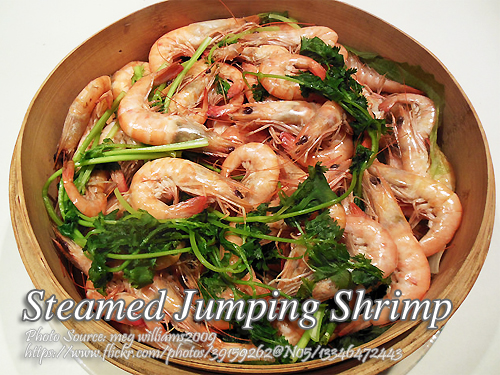
Don’t be confused with this recipe because this is not the jumping shrimp salad where you have eat the live jumping shrimps along with it’s shell and antennae. The reason why this recipe is called steamed jumping shrimp is because you are using fresh live shrimps when cooking this recipe and the poor shrimps will jump when you mix it with the ingredients.
Steamed Jumping Shrimp: Why They “Jump”
If you hear the name steamed jumping shrimp for the first time, it might catch you off guard. I remember when my friend Kuya Ben mentioned it during a small get-together, and I honestly thought he was talking about the Thai-style shrimp salad where the shrimp are served alive. This dish is nothing like that, though. It’s a comforting, cooked shrimp recipe that just happens to get its name from the way the fresh shrimp react during preparation.
The “jumping” part comes from using very fresh shrimp. When you toss them with salt and oil, they twitch and move, which can be surprising if you’re not expecting it. It’s a little dramatic, yes, but it’s also a sign that your seafood is as fresh as it gets. Once cooked, though, you’re left with tender, flavorful shrimp coated in a slightly sweet and savory sauce that pairs so well with hot rice.
What Makes Steamed Jumping Shrimp Unique
What I like about steamed jumping shrimp is how simple the cooking process is, yet the result feels special. You’re not deep-frying or heavily seasoning the shrimp. Instead, the method relies on steaming first, then finishing with aromatics and sauce.
Steaming works well for shrimp because it cooks them gently. Unlike frying, which can easily overcook seafood, steaming locks in moisture. The shrimp turn plump and juicy, not rubbery. You’ll notice the color change almost immediately, from translucent gray to a bright orange-pink. That’s your visual cue that they’re done or very close.
Another thing that sets this dish apart is the use of banana sauce. It gives a subtle sweetness and tang that balances the natural brininess of the shrimp. It’s not overpowering, just enough to round out the flavors.
Preparing Fresh Shrimp
The first time I made this dish, I skipped trimming the antennae because I thought it wouldn’t matter. Big mistake. The long antennae tend to tangle and make the shrimp harder to handle, especially when mixing them with oil and salt. Cutting them off makes the process smoother and cleaner.
Rinsing the shrimp thoroughly is also important. Fresh shrimp can have a slightly gritty feel if not washed properly. I usually run them under cold water and gently rub them to remove any impurities. After that, draining them well is key. Excess water can dilute the seasoning and make the oil coating uneven.
When you mix the shrimp with sea salt and sesame oil, take your time. You want each piece lightly coated. The oil helps distribute the salt evenly and also adds a subtle nutty aroma. This step may seem simple, but it makes a noticeable difference in flavor.
Steaming Process for Steamed Jumping Shrimp
Steaming is where beginners often get nervous, but it’s actually one of the easiest cooking methods once you get the hang of it.
Make sure your steamer is already at a rolling boil before placing the shrimp inside. If the heat is too low at the start, the shrimp will sit too long and release liquid, which can affect texture. I learned this the hard way when my first batch turned slightly mushy.
Arrange the shrimp in a single layer on a plate if possible. Overcrowding can lead to uneven cooking. As they steam, you’ll see them curl slightly and turn pink. That usually takes around ten to fifteen minutes, depending on size.
One thing I always watch for is overcooking. Shrimp cook fast, and even a couple of extra minutes can make them tough. Once they’re pink and opaque, take them out right away and transfer them to a colander to drain. Letting them sit in their own steam can continue the cooking process.
Making the Sauce for Steamed Jumping Shrimp
The sauce is where this dish really comes together. It’s simple but full of flavor.
Start by mixing cornstarch with banana sauce to form a paste. Adding the cornstarch gradually helps avoid lumps. If you dump everything at once, you might end up with clumps that don’t dissolve properly later.
Heating the wok before adding oil is another small detail that matters. A hot wok helps release the aroma of garlic and ginger quickly. When you sauté them with green chili, the kitchen starts to smell amazing, and you know you’re on the right track.
Garlic should turn lightly golden, not brown. Burnt garlic will give a bitter taste, and it’s hard to fix once it happens. Ginger adds a mild heat and freshness that balances the sweetness of the sauce.
When you add the shrimp back into the wok, toss them briefly just to coat with the aromatics. Then pour in the banana sauce mixture. Lowering the heat at this stage prevents the sauce from thickening too quickly or sticking to the pan.
As the sauce simmers, it thickens into a glossy coating. This is where you’ll see everything come together. The shrimp absorb the flavors, and the sauce clings nicely to each piece.
Finishing Touches and Flavor Balance
Adding green onions at the end might seem like a small step, but it makes a big difference. The slight sharpness and freshness cut through the richness of the sauce.
Taste the dish before serving. Sometimes I add a tiny splash of water if the sauce feels too thick, or a pinch of salt if it needs a bit more seasoning. Cooking isn’t just about following steps. It’s about adjusting based on what you see and taste.
The finished steamed jumping shrimp should have a balance of flavors. Slightly sweet, a bit savory, with a hint of heat from the chili. The shrimp should be tender and juicy, not dry.
Common Mistakes When Cooking Steamed Jumping Shrimp
One of the most common mistakes is overcooking the shrimp. It’s easy to lose track of time, especially when multitasking. Keep an eye on the color and texture instead of relying only on the clock.
Another issue is watery sauce. This usually happens when the shrimp aren’t drained well after steaming. Excess moisture mixes with the sauce and prevents it from thickening properly.
Using too much banana sauce can also overpower the dish. It’s meant to complement the shrimp, not dominate it. Start with the recommended amount and adjust if needed.
A Bit of Food for Thought
Shrimp dishes like this are a great reminder of how simple ingredients can create something satisfying. In many coastal areas of the Philippines, fresh seafood is cooked with minimal fuss to highlight its natural flavor. This recipe follows that same idea.
Tita Lorna once told me that the secret to good seafood is respect for the ingredient. Don’t overhandle it, don’t overcook it, and let its natural taste shine. That stuck with me, especially when making dishes like steamed jumping shrimp.
Serving Steamed Jumping Shrimp at Home
This dish is best served hot, straight from the wok. Pair it with steamed rice, and you have a meal that feels both comforting and a little special.
I like serving it family-style, right in the middle of the table. There’s something about sharing a plate of freshly cooked shrimp that brings people together. Maybe it’s the aroma, or maybe it’s just the joy of eating something simple but well-made.
If you’re new to cooking seafood, this is a great recipe to start with. It’s straightforward, forgiving, and teaches you a lot about handling shrimp properly. Once you get the hang of it, you’ll find yourself coming back to this dish again and again.
How to Cook Steamed Jumping Shrimp
Ingredients
- 1/2 kilo fresh shrimp if possible use live
- 1 Tbsp. sea salt
- 2 Tbsp. sesame oil
- 2 Tbsp. corn starch
- 1/2 cup banana sauce or banana catsup
- 2 Tbsp. cooking oil
- 2 Tbsp. finely chopped garlic
- 2 Tbsp. finely chopped fresh ginger
- 1 pc long green chili thinly sliced crosswise
- 1 tbsp. salt
- 1/4 tsp. MSG
- 1/2 tsp. hot sauce
- 1 Tbsp. sugar
- 2 Tbsp. Chinese rice wine
- 1/4 cup finely sliced spring onions
Instructions
How to Cook Jumping Shrimp
- Wash shrimp in running water, and cut of antennae. Then drain well. In a bowl, mix shrimp thoroughly with sea
- salt and 1 tbsp of the sesame oil so that all shrimp are coated with oil.
- Bring water of steamer to a boil. Transfer shrimp to a plate and steam for 10-15 minutes or just until pink. Transfer shrimp to a colander to drain. Set aside.
- Put cornstarch in a small bowl and gradually add banana sauce to make a paste.
- Heat a medium sized wok on medium flame. Add cooking oil, then add garlic, ginger and green chili and stir for about 2 minutes. Add shrimp and toss for 1 minute then pour in banana sauce mixture.
- Reduce flame to low, toss shrimp for 2 minutes. then add green onions. Toss before serving.
Notes
Frequently Asked Questions:
Can I use frozen shrimp for steamed jumping shrimp?
Yes, you can use frozen shrimp if fresh ones are not available, but make sure to thaw them completely before cooking. Pat them dry well to remove excess moisture, as this helps the seasoning stick better and prevents a watery sauce. While it won’t have the same “jumping” effect, the flavor of the steamed jumping shrimp will still turn out delicious.How do I know when the shrimp are perfectly cooked?
Shrimp are done when they turn pink and opaque with a slight curl, which usually takes just a few minutes. Overcooking will make them tight and rubbery, so it’s best to remove them from the steamer as soon as they change color. For best results, keep a close eye during cooking since shrimp cook very quickly.What can I substitute for banana sauce in steamed jumping shrimp?
If banana sauce is not available, you can use a mix of ketchup and a small amount of sugar as a quick substitute. This combination mimics the sweet and tangy flavor that balances the savory elements of the dish. Adjust the sweetness to taste so your steamed jumping shrimp doesn’t become overly sweet.