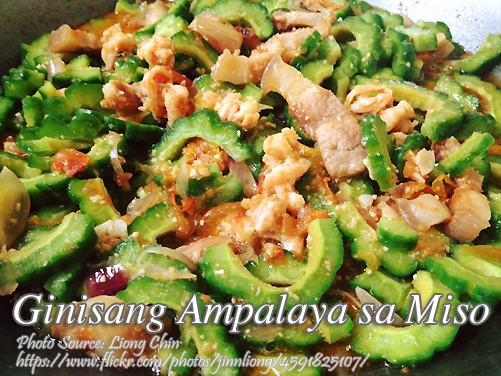
Ginisang ampalaya sa miso is a sauteed bitter melon in miso, a Japanese seasoning made with fermented soy beans with salt and fungus. That is why miso is salty and sour. Miso is used in some Filipino dishes like for example the sinigang. I think miso is a good combination with ampalaya because it counteract the bitter taste. And with regards to the bitter taste, the traditional way of removing the bitter taste is by soaking it in brine and squeezing the ampalaya.
But I think the better way is to just soak it in brine and rinse in water twice. And don’t stir while cooking the vegetable so it will not become bitter. Maybe there is a scientific explanation for this method (not stirring the ampalaya) rather than a superstition. If this method didn’t work, then just use baking soda instead of salt when soaking the ampalaya.
Ginisang Ampalaya sa Miso: A Family Twist on a Classic Dish
When I was a kid growing up in Batangas, ampalaya was one of those vegetables that always divided the table. My brother Junjun would push it aside no matter how many times Nanay told him it’s “good for the blood.” But one summer, my Tita Mely came home from Japan and taught us how to make ginisang ampalaya sa miso. That day, something clicked — suddenly, this once-feared bitter gourd became everyone’s favorite side dish.
The combination of earthy miso and the gentle bitterness of ampalaya was something new to me. It had the comforting taste of home but with a little twist from Tita’s Japanese kitchen. I’ve been cooking it that way ever since.
Why Miso Works So Well with Ampalaya
Miso, for those unfamiliar, is a Japanese paste made by fermenting soybeans with salt and koji, a type of fungus that gives it that deep, umami flavor. Filipinos have learned to use miso not just for soup but for dishes like sinigang and this stir-fry. The saltiness and richness of miso balance out ampalaya’s bitterness, creating harmony in every spoonful.
When miso hits the pan with tomatoes and shrimp juice, it releases a savory aroma that softens the edge of the bitter gourd. It’s like they’re meant to be — the bitterness no longer stands alone, it sings in tune with the miso’s savory depth.
Preparing the Ampalaya the Right Way
If you’ve ever cooked this vegetable before, you know how tricky it can be to manage its strong flavor. My Lola Pilar used to say, “Ampalaya needs tenderness, not torture.” She meant that squeezing the slices too much after soaking only bruises them and releases more of that sharp taste.
Instead, I now follow what Tita Mely taught us — soak the slices in salted water for about 15 minutes, then rinse them twice under cold water. No squeezing. This gentle method draws out just enough bitterness without damaging the texture. Some people even use baking soda instead of salt when soaking, and it works surprisingly well to neutralize that bitter bite.
And here’s the important part — once the vegetable goes into the pan, don’t stir too much. This isn’t superstition. Stirring breaks the ampalaya’s surface, letting the bitter compounds mix into the sauce. Let it cook gently, undisturbed, until it turns a soft, vibrant green.
Cooking Ginisang Ampalaya sa Miso Step-by-Step
I always start by slicing the ampalaya diagonally into thin pieces. While it’s soaking, I prepare the shrimp juice — a simple but powerful flavor booster. Just pound the shrimp heads and shells with a mortar and pestle, add a bit of water, and strain. That shrimp essence brings a layer of umami that ties beautifully with the miso.
In a hot pan, I sauté garlic until golden, then toss in onions and tomatoes. Once the tomatoes have softened, I add pork and fresh shrimp, letting them sizzle together for a few minutes. When the miso joins the mix, the aroma fills the kitchen — nutty, salty, and slightly tangy.
Next comes the shrimp juice and a little water. Keep stirring at this point to prevent the shrimp stock from curdling. When it starts to boil, I add the ampalaya, a dash of seasoning, and cover the pan. This is where patience pays off. I resist the urge to stir, letting the steam cook the vegetables evenly. In just a few minutes, the dish is ready — bright, tender, and perfectly balanced.
A Little Food for Thought
Did you know ampalaya has been a staple in Filipino cuisine for centuries? Brought to our islands through trade routes from Asia, it’s long been valued not just as food but as medicine. Its natural compounds are said to help regulate blood sugar — something my Nanay never fails to remind me whenever I skip vegetables.
Miso, on the other hand, came to our kitchens much later, introduced through Japanese influence in the early 20th century. Over time, we learned to make it our own — mixing it into soups, sauces, and, of course, our beloved sautéed dishes. The marriage of these two ingredients is a small story of cultural blending, proof that food evolves just like people do.
Bringing It All Together
Every time I cook ginisang ampalaya sa miso, I think of that summer afternoon in Batangas — the clatter of pans, the smell of garlic, and my Tita’s laughter echoing in the kitchen. What used to be the most avoided vegetable became a family favorite because someone decided to mix tradition with a bit of curiosity.
So if you’ve ever sworn off ampalaya because of its bitterness, give this version a try. With a little patience, the right technique, and that magical touch of miso, you might just find yourself asking for seconds — just like Junjun does now.
How to Cook Ginisang Ampalaya sa Miso
Ingredients
- 1/2 kilo ampalaya bitter gourd
- 100 grams shrimps shelled (save the head and shells)
- 100 grams pork belly cut into smalle cubes
- 1 pc onion sliced
- 2 pcs tomatoes sliced
- 3 cloves garlic minced
- 1/4 cup miso
- 2 Tbsp. patis
- 1 tsp. MSG or granulated seasoning
- 2 Tbsp. cooking oil
- 1 cup water
Instructions
How to Cook Ginisang Ampalaya sa Miso
- Before preparing the ingredients, cut the ampalaya into thin diagonal slices.
- Soak in water with a little salt. When about to be sauteed, stir and rinse two times (to lessen the bitter taste). Drain. Do not squeeze.
- Pound the head and shell of shrimp in a mortar and pestle. Add 1/4 cup of water and strain to get the shrimp juice.
- Heat oil in a pan and saute garlic until brown. Add onions. After 2 minutes add tomatoes. Stir and add pork and shrimps. Season with patis and add miso.
- Saute for 3 minutes and pour in a cup water with shrimp juice. To avoid curdling of the shrimp juice, keep stirring till it boils.
- Let boil for 5 minutes, then, add ampalaya. Sprinkle with MSG and cover.
- Avoid stirring to prevent sauce from becoming bitter. Do not overcook and serve hot.
Notes
Cooking Tips:
Soak, Don’t Squeeze
To lessen the bitterness, soak the sliced ampalaya in salted water for 15 minutes. Rinse it twice under cold water instead of squeezing it dry. Squeezing breaks the flesh and releases more bitter compounds into the dish.Control the Heat
Cook the vegetables over medium heat to prevent them from turning too soft or releasing excess liquid. High heat can cause the ampalaya to cook unevenly and become mushy. Keeping a steady flame helps retain its crisp texture and mild taste.Avoid Over-Stirring
Once the ampalaya is added to the pan, stir only once or twice to mix it gently. Over-stirring releases bitter juices that can overpower the sauce. Let it simmer undisturbed so the flavors of miso and shrimp can fully blend into the dish.