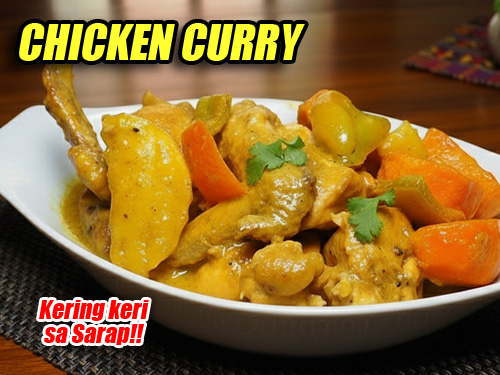
I often overlook this recipe and wondering always what recipe will I post for today? Maybe because I thought I’ve already included this on my recipe collections on this blog. And regarding our recipe for today, chicken curry is I think an adopted dish from our ASEAN neighbors since most of our dishes seldom have curry powder in it. And come to think of it, there are also versions on cooking this dish.
Some put carrots but the old fashion way is just using potatoes and bell peppers. It’s your choice to include carrots it looks more attractive and taste better anyway. Coconut milk or evaporated milk can be used, its also according to your preference since some people don’t like or can’t tolerate coconut milk.
Chicken Curry Pinoy Style
There are days when I open my pantry, stare at the shelves, and wonder what to cook next. Then I’d remember this simple but comforting dish that always brings me back to childhood—chicken curry. Funny thing is, I used to overlook it, thinking I’d already posted it on my blog. Maybe because it’s so common in our household that it feels like it’s always been part of the menu. But every time I smell that warm, spiced aroma of coconut milk simmering with tender chicken, I know this dish deserves the spotlight once again.
A Family Favorite with a Twist
My first taste of homemade chicken curry was in the small kitchen of my Tita Nena in Cavite. She used to cook it during Sundays when everyone came home from church, and the whole house would smell like garlic, curry powder, and creamy coconut milk. She’d always say that the secret was patience—don’t rush the sautéing. “Hayaan mong maglabas ng lasa ang bawang at sibuyas bago mo ilagay ang manok,” she’d remind me. That’s what gives the base of this stew its deep, savory flavor.
When I started cooking on my own, I followed her version but added my own twist, based on a tip from my cousin, Kuya Romy, who worked as a cook in Davao. He told me to add a bit of patis instead of salt. “Mas malasa, mas Pinoy,” he said. He was right. The fish sauce enhances the umami flavor and gives the chicken a more distinct Filipino character.
A Taste with Roots Beyond Our Islands
Many believe chicken curry is an adopted dish from our ASEAN neighbors—particularly India and Thailand—where curry spices are part of everyday cooking. Filipino cuisine, on the other hand, traditionally uses simpler seasoning like soy sauce, vinegar, and salt. But as trade routes opened centuries ago, curry powder found its way into our kitchens. Over time, we made it our own—milder, creamier, and always paired with a big bowl of steaming rice. That’s the charm of the Pinoy-style version: it’s a comforting blend of foreign influence and Filipino heart.
Choosing the Right Ingredients for the Chicken Curry
For this recipe, I prefer using bone-in chicken pieces—usually a mix of thighs and drumsticks. They stay juicy and flavorful even after simmering. I cut them into small serving sizes, just enough to soak up all that creamy, spiced sauce. The usual trio of potatoes, bell peppers, and carrots adds color and texture. Traditionally, my lola’s version only had potatoes and peppers, but I like adding carrots for a touch of sweetness and a more colorful dish.
Now, the big question: coconut milk or evaporated milk? Tita Nena swore by coconut milk because it gives a richer, more authentic taste. But when I’m cooking for friends who can’t handle gata, I use evaporated milk instead. It’s lighter but still creamy. Either works beautifully—it’s all about personal preference.
How to Bring It All Together
To start, sauté garlic until light brown, then add finely chopped onions. The key here is not to rush. Let the onions soften completely until they turn translucent and sweet—that’s when their natural sugars come out, giving the base its savory depth. Once they’re just right, toss in the chicken pieces and stir them around until they’re lightly browned. This step locks in the flavor before adding the liquids.
Next, season with curry powder, a bit of black pepper, and a splash of patis. Stir and let it cook for a few minutes so the chicken absorbs all those spices. Add a bit of water and cover the pot, letting it simmer until the chicken is half done. You’ll know it’s ready when the sauce starts to thicken and the aroma fills the kitchen.
Once the chicken is tender, add your vegetables—potatoes, carrots, and bell peppers. Let them cook until they soften slightly. Then pour in your coconut milk or evaporated milk. Keep stirring as it boils gently to prevent the milk from curdling. This technique keeps the sauce smooth and creamy. If you like your curry spicier, throw in a few minced siling labuyo at this point—just enough to make your taste buds dance.
Serving Memories in Every Spoon
After a few more minutes of simmering, your chicken curry is ready to serve. The sauce should be thick, creamy, and golden, clinging perfectly to each piece of chicken. I like to serve it with steamed jasmine rice or even with warm pandesal for merienda. Every bite feels like home—comforting, rich, and full of memories.
It’s amazing how a simple dish can carry so much history and warmth. From its Southeast Asian roots to our Filipino kitchens, chicken curry has evolved into something uniquely ours. It’s not just about the spices or the ingredients—it’s about family gatherings, laughter in the kitchen, and the comforting feeling of home-cooked food shared with the people you love.
And just like that, another Sunday at home becomes something special—with a bowl of curry and a story worth retelling.
Chicken Curry Pinoy Style
Ingredients
- 1 kilo chicken you choice of cuts (e.g. legs, wings or thigh)
- 2 pc large onions quartered
- 3 pcs red and green bell peppers cut into strips
- 3 stalks celery cut 1 inch long
- 3 pcs medium sized potatoes cut into large cubes and fried
- 2 Tbsp. curry powder
- 1/2 tsp. ground pepper
- 1 tsp. MSG or granulated seasoning optional
- 1 Tbsp. patis
- 1 tsp. salt
- 4 cloves garlic crushed
- 1 cup coconut milk or evaporated milk
- 1/2 cup water
Instructions
How to cook Chicken Curry:
- Cut chicken into small serving pieces. Saute garlic until light brown; and finely chopped onions.
- Stir until onions are wilted. Add chicken. Pour patis then stir for about 3 minutes.
- Season with curry powder, pepper, MSG and water. Cover and simmer until chicken is half done.
- Add the rest of the ingredients except the coconut milk or evaporated milk.
- Add milk when chicken is done. Keep stirring until liquid boils. Cook for another 5 minutes.
- To make your chicken curry a lot spicier, add 2 to 3 pcs minced siling labuyo (birds eye chili peppers).
Video
Notes
Cooking Tips:
Sauté Slowly for a Richer Base
Taking your time when sautéing garlic and onions builds a deeper, sweeter flavor for the whole dish. Letting the onions turn fully translucent helps release their natural sugars, creating a richer sauce later on. This slow base-cooking technique ensures the curry tastes well-rounded even with simple ingredients.Brown the Chicken Before Simmering
Lightly browning the chicken seals in its juices and gives the stew a fuller, more savory taste. This technique also adds a subtle roasted flavor that blends beautifully with curry spices. When the chicken is browned first, it stays tender even after long simmering.Add Coconut Milk Last to Keep It Creamy
Coconut milk should go in only when the chicken and vegetables are already tender to prevent curdling. Gentle simmering after adding the milk keeps the sauce smooth and velvety. This technique lets the flavors melt together without breaking the sauce’s texture.Nutrition Notes:
Calorie and other nutrition information is derived from HappyFolks.Com recipe nutrition calculator. The percent daily value (%DV) is based on a daily 2,000 calorie diet.Nutrition Information:
Amount per Serving:400g, Calories:332kcal, From fat:103, Total fat:12.1g, Saturated Fat:9.1g, Trans Fat:0g, Cholesterol:41mg, Sodium: 702, Total Carbohydrate: 44g, Dietary Fiber: 8g, Sugars: 6g, Protein: 15g, Vitamin A: 5%, Vitamin C: 136%, Calcium: 7%, Iron: 18%