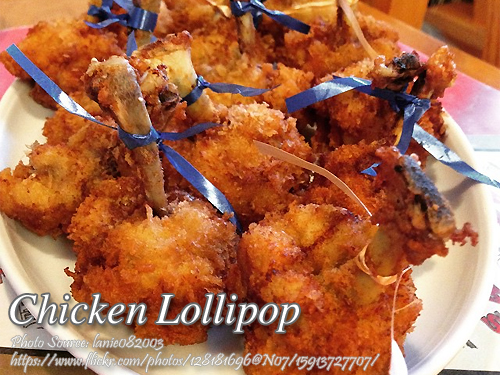
Chicken lollipop an appetizing and presentable dish which is not as hard to prepare as you think. Just a little practice will make it perfect. The only hard part I think is process of making the chicken lollipop. It requires some effort and knowledge to do it. But the cooking part is easy. Just like cooking your favorite fried chicken.
In making the batter, it is also simple and you don’t need to add any beaten eggs which easily burn the chicken batter. Instead, only cornstarch is used and mixed with the marinade you used in marinating the chicken and presto! you already have a batter for the chicken lollipops.
Chicken Lollipop That Look Fancy but Are Surprisingly Easy to Make
The first time I made chicken lollipop, I honestly thought shaping the wings would be the hardest part of the recipe. I wasn’t wrong. It took a few pieces before I got the hang of it, and the first couple looked more like messy drumettes than neat little lollipops. But once I understood where the joints and bones were, the process became much easier. Like many home-cooked dishes, a little practice goes a long way.
What makes this recipe worth learning is that it transforms ordinary chicken wings into an eye-catching appetizer that’s perfect for family gatherings, birthdays, or even weekend snacks. They look like something you’d order in a restaurant, yet they’re made with simple pantry ingredients and familiar cooking techniques.
The best part comes after the shaping. Once the chicken is prepared, cooking it feels very much like frying your favorite crispy chicken. The marinade builds flavor from the inside, while a light cornstarch coating creates a crisp, golden crust that stays crunchy without feeling too heavy.
Why Chicken Lollipop Are Always a Crowd Favorite
There’s a reason chicken lollipop often disappear first from the serving platter. Their built-in handle makes them easy to hold, which is perfect when serving finger foods at parties or casual family meals.
Although the dish is popular in many Asian-inspired restaurants, especially those serving Indo-Chinese cuisine, home cooks have adapted it over the years using ingredients commonly found in Filipino kitchens. Soy sauce, calamansi, garlic, achuete powder, and a touch of chili create flavors that are both familiar and satisfying.
One thing I’ve noticed after making this recipe several times is how much the presentation impresses guests. Even children who usually avoid chicken wings become excited because the shape makes them fun to eat. Sometimes it’s the little details that encourage everyone to reach for seconds.
Preparing Chicken Lollipop the Right Way
The only part that asks for patience is shaping the wings. Each chicken wing is separated into three sections. The wing tip is usually saved for making soup stock later, while the drumette and wingette become the actual chicken lollipop.
Using a small sharp knife makes a huge difference. Carefully cutting around the end of the bone loosens the connective tissue without tearing the meat. As you push the meat downward, it naturally gathers into a rounded shape. If the meat resists, avoid forcing it. Instead, trim away any remaining tendons because these are usually what’s holding everything together.
For the middle section that contains two bones, removing the thinner bone creates enough room for the meat to gather around the larger one. The first few pieces may not look perfect, but don’t let that discourage you. Even slightly uneven shapes fry beautifully and taste just as delicious.
Keeping the chicken cold while preparing it also makes the process easier because the meat stays firmer and is less likely to tear.
A Flavorful Marinade Makes All the Difference
A good marinade doesn’t just season the surface. Given enough time, it penetrates the meat and creates flavor in every bite.
This recipe combines soy sauce, salt, garlic powder, calamansi juice, chili powder, achuete powder, and sliced finger chilies. Together, these ingredients balance savory, tangy, slightly smoky, and mildly spicy flavors.
Allowing the chicken to marinate for at least one hour makes a noticeable difference. I’ve tried shortening the time before, and while the coating still turned crispy, the inside tasted less seasoned. If you have a little extra time, marinating a bit longer produces even better flavor without making the meat salty.
The calamansi juice also helps brighten the overall taste. Rather than overpowering the chicken, its mild acidity complements the richness of the fried coating.
The Secret Behind the Crispy Coating
One clever part of this recipe is turning the leftover marinade into the batter.
Instead of adding beaten eggs, cornstarch is mixed directly into the marinade until it forms a smooth coating. This simple technique works surprisingly well.
Cornstarch creates a lighter, crispier crust than flour alone because it contains less protein. Less protein means less gluten development, resulting in a delicate crunch instead of a thick, bready coating. Skipping the egg also reduces the chance of the batter browning too quickly before the chicken cooks through.
The batter should coat the meat evenly without becoming overly thick. If it feels too runny, add a little more cornstarch. If it’s too thick, a small splash of water helps loosen it without affecting the final texture.
Frying Chicken Lollipop Until Golden Brown
Once the oil reaches the proper frying temperature, the rest of the recipe becomes very straightforward.
Carefully lower each piece into the hot oil without overcrowding the pan. Cooking too many at once lowers the oil temperature, causing the coating to absorb more oil instead of becoming crispy.
As the chicken lollipop fry, you’ll notice the bubbles become smaller and quieter. That’s one of the easiest signs that much of the moisture has cooked away and the exterior is crisping nicely.
After about ten minutes, the coating develops a beautiful golden brown color while the chicken remains juicy inside.
If you notice the coating darkening too quickly, the oil is probably too hot. Lowering the heat slightly allows the meat to cook through before the outside becomes overly browned.
Once cooked, transfer the chicken onto paper towels or a wire rack to remove excess oil. A wire rack works especially well because air circulates underneath, helping the crust stay crisp.
Common Mistakes Beginners Can Easily Avoid
Every home cook makes small mistakes while learning a new recipe, and that’s completely normal.
One common issue is not removing enough connective tissue during shaping. When this happens, the meat refuses to slide neatly down the bone. Taking an extra minute with the knife usually solves the problem.
Another mistake is skipping the marinating time. The coating may still be delicious, but the chicken itself won’t have the same depth of flavor.
It’s also tempting to keep turning the pieces while frying. I learned that leaving them alone for the first few minutes allows the coating to set properly. Moving them too early can cause parts of the batter to separate.
Finally, always allow the oil to return to temperature before frying the next batch. This simple habit keeps every batch consistently crispy.
Serving Chicken Lollipop for Any Occasion
One of the things I enjoy most about chicken lollipop is how versatile they are. They can be served as an appetizer before a larger meal or become the main attraction with steamed rice and a simple vegetable side dish.
For dipping sauces, sweet chili sauce is a classic choice because it balances the savory coating with gentle sweetness. Banana ketchup also pairs beautifully with its familiar Filipino flavor, while garlic mayonnaise adds extra richness for those who enjoy creamy dips.
These crispy chicken treats are best enjoyed fresh from the fryer when the coating is at its crunchiest. If there are leftovers, reheating them in an oven or air fryer restores much of the crisp texture better than microwaving.
There’s something satisfying about placing a platter of homemade chicken lollipop on the table and watching everyone reach for one before anything else. The shaping may require a little patience at first, but after making them once or twice, the process becomes surprisingly enjoyable. It’s one of those recipes that builds confidence in the kitchen while rewarding you with a dish that’s as fun to serve as it is to eat.
How to Cook Chicken Lollipops
Ingredients
- 10 pcs chicken wings
- 1 tsp. salt
- 1 tsp. soy sauce
- 1/2 tsp. chili powder cayenne pepper
- 1/4 tsp. achuete powder
- 1 tsp. calamansi juice
- 1 tsp. garlic powder
- 4 Tbsp. cornstarch
- 1 tsp. finger chili or siling panigang minced
Instructions
How to make Chicken Lollipops:
- To make the marinade: Combine salt, soy sauce, chili powder, achuete powder, calamansi juice, garlic powder and finger chilies in a bowl. Mix very well and set aside.
- Prepare the chicken by cutting the chicken wings on the joints separating the wing tip from the other two sections of the wing, the middle part which has two bones and end part that has single bone.
- The middle and the end parts are to be made as chicken lollipops. Just store the wing tips in the fridge for other use like soup stock.
- Slide a knife around the tip of the bone to separate the tissue connected to the bone. Separate the meat from the bone by pushing the meat downwards while holding the bone until the lollipop shape is formed.
- Do the same thing on the middle part of the wing with two bones by removing the smaller bone. Marinate the chicken lollipops in the marinade for 1 hour.
- Remove the chicken from the marinade and add cornstarch to the marinade to make the batter. Dip the chicken lollipop in the batter and deep fry until golden brown for ten minutes.
- Drain excess oil using paper towel and serve with your choice of dip.
Notes
Pat the Chicken Dry Before Marinating
Patting the chicken dry with paper towels helps the marinade cling better to the surface. Removing excess moisture also prevents the batter from becoming too thin later. This simple step leads to a crispier coating after frying.Keep the Oil at the Right Temperature
Maintain the frying oil at around 350°F to 375°F for even cooking and a golden crust. If the oil is too cool, the coating absorbs excess oil and becomes greasy instead of crispy. If it's too hot, the outside may brown too quickly before the chicken cooks through.Let the Fried Chicken Rest Briefly
After frying, place the chicken lollipop on a wire rack or paper towels for a few minutes before serving. This allows excess oil to drain while helping the coating stay crisp. Serving it after a short rest also gives the juices inside the chicken time to redistribute, keeping every bite moist.