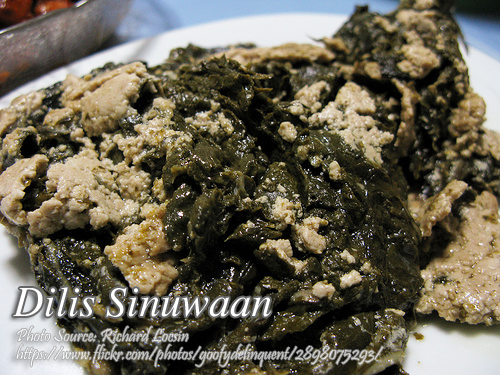
Dilis Sinuwaan is a coconut milk based dish from Bicol Region V. Fresh anchovies are cooked in coconut milk and wrapped in taro leaves. Basically the preparation of fresh anchovies is washing it in running water and the innards intact since they are so small it is tedious to remove the gills and innards. But you can remove the head and it is easy to remove the innards as well.
Dilis Sinuwaan: A Humble Bicolano Dish Worth Discovering
There is something comforting about recipes that transform the simplest ingredients into something deeply satisfying, and dilis sinuwaan is one of those dishes. This traditional specialty from the Bicol Region combines fresh anchovies, creamy coconut milk, fragrant ginger, a splash of vinegar, and fresh taro leaves into a meal that feels rustic yet surprisingly rich in flavor.
If you’ve never prepared this regional favorite before, don’t let the unfamiliar name intimidate you. Although the cooking method may look different from everyday Filipino dishes, it is actually straightforward once you understand why each step matters. The ingredients do most of the work, slowly blending together as they simmer until the coconut milk becomes rich and aromatic while the taro leaves soften into delicate wrappers.
The first time I made dilis sinuwaan, I wondered if leaving the tiny anchovies whole would affect the taste. After tasting the finished dish, I realized why many home cooks prepare it this way. The fish become incredibly tender during the long simmer, and their natural sweetness balances beautifully with the creamy coconut milk.
What Makes Dilis Sinuwaan Special?
Unlike many coconut milk dishes where everything cooks together in one pot, this has a unique preparation. Small portions of fresh anchovies are wrapped individually in gabi or taro leaves before being gently cooked in coconut milk.
This cooking style serves more than just presentation. As the fish cooks inside the leaves, it stays moist while absorbing the flavors of ginger, coconut milk, and vinegar. At the same time, the leaves contribute a subtle earthy aroma that complements the delicate flavor of the anchovies without overpowering them.
Many traditional Bicolano recipes showcase the abundance of coconut in the region, but this one highlights restraint. Instead of relying on chilies or bold seasonings, the ingredients are allowed to shine on their own.
A Taste of Bicol’s Culinary Heritage
Bicol is widely known for dishes rich in coconut milk, thanks to the region’s abundant coconut trees. While spicy recipes often steal the spotlight, not every Bicolano dish is fiery. Dilis sinuwaan is a perfect example of how local cooks celebrate fresh seafood and coconut in a gentler, more delicate way.
Long before refrigeration became common, coastal families prepared meals using the day’s freshest catch. Tiny anchovies were plentiful and affordable, making them a practical choice for everyday cooking. Wrapping the fish in taro leaves also reflected a resourceful approach, making use of ingredients readily available in backyard gardens.
Many traditional Filipino recipes have survived because they rely on simple techniques rather than expensive ingredients. This coconut milk dish continues to be enjoyed because it proves that careful preparation can turn humble pantry staples into something memorable.
Choosing the Best Fresh Anchovies
The quality of the fish has the biggest impact on the finished dish. Fresh anchovies should have clear eyes, shiny skin, and a clean ocean smell. If they smell overly fishy or sour, it’s best to choose another batch.
One thing beginners often notice is how tiny the fish are. Cleaning every single anchovy may seem impossible, and thankfully, it usually isn’t necessary. Since they are so small, many home cooks simply rinse them thoroughly under running water while leaving the innards intact. If you prefer a cleaner flavor, removing the heads also makes it easier to pull out the tiny innards, although this takes more time.
After rinsing, let the fish drain well. Too much water can slightly dilute the coconut milk during cooking.
Preparing the Taro Leaves Properly
The gabi leaves play an important role in dilis sinuwaan, so they deserve a little extra attention.
Fresh taro leaves can sometimes release calcium oxalate crystals that cause an itchy feeling if not cooked properly. Fortunately, this is easy to avoid. The long simmer in coconut milk allows the leaves to soften completely while breaking down those irritating crystals.
When wrapping the anchovies, avoid packing them too tightly. Giving each bundle a little space allows the coconut milk to circulate around the leaves, helping everything cook evenly.
Any remaining leaves can be tied into simple knots and arranged along the bottom of the cooking pan. This traditional technique creates a natural cushion that prevents the wrapped fish from sticking directly to the pan during the long simmer.
Why the Cooking Technique Works
At first glance, dilis sinuwaan may seem like a recipe where everything is simply boiled together. In reality, every step has a purpose.
The ginger gently perfumes the coconut milk while reducing any strong fishy aroma. Instead of masking the flavor of the anchovies, it enhances their natural sweetness.
The vinegar provides balance by cutting through the richness of the coconut milk. It also helps brighten the overall flavor without making the dish sour.
Perhaps the most important part is allowing everything to simmer undisturbed for about forty-five minutes. During this time, the coconut milk slowly thickens while the fish become tender enough to almost melt inside their leafy wrappers.
One mistake beginners sometimes make is stirring too often. Doing so can tear the delicate taro leaves and cause the bundles to fall apart. It is much better to let the gentle simmer do the work.
What to Expect While Cooking Dilis Sinuwaan
One of my favorite parts of making dilis sinuwaan is watching the coconut milk gradually change.
During the first few minutes, the liquid looks thin and almost watery. As the cooking continues, the mixture slowly becomes creamier, taking on a richer color while tiny droplets of coconut oil begin appearing around the edges of the pan.
The aroma also changes noticeably. At first, the ginger is the strongest scent. Later, the sweetness of coconut milk becomes more pronounced, followed by the subtle fragrance released by the taro leaves.
By the end of cooking, the wrapped anchovies remain intact, and the sauce has thickened enough to lightly coat each bundle without becoming overly greasy.
Serving Dilis Sinuwaan
Like many traditional Filipino dishes, it is best enjoyed with freshly steamed rice.
The creamy sauce naturally soaks into the rice, making every spoonful flavorful without needing additional condiments. Some families enjoy serving it alongside grilled fish or simple vegetable dishes, allowing the coconut milk-based recipe to become the centerpiece of the meal.
Leftovers are equally delicious the next day. In fact, the flavors often become even more balanced after resting overnight in the refrigerator. Reheat gently over low heat to keep the coconut milk from separating too much.
Helpful Tips for First-Time Cooks
If this is your first time preparing this, remember that patience is your best ingredient. Resist the urge to increase the heat to speed things up. Gentle simmering allows the coconut milk to develop its creamy texture while giving the anchovies enough time to become wonderfully tender.
Taste the sauce near the end of cooking before adjusting the salt. Since fresh anchovies naturally contain some saltiness, adding too much seasoning early can make the finished dish overly salty.
Don’t worry if your wrapped bundles aren’t perfectly shaped. Even experienced home cooks end up with slightly different sizes. What matters most is keeping the leaves securely wrapped so they stay together during cooking.
Traditional recipes like this remind us that great food doesn’t always require complicated techniques. Sometimes, fresh ingredients, slow cooking, and a little patience are all it takes to create a meal that has been loved for generations. Once you’ve tried dilis sinuwaan, you’ll understand why this simple Bicolano favorite continues to find its place on Filipino family tables.
How to Cook Dilis Sinuwaan (Anchovies in Coconut Milk)
Ingredients
- 12 pcs gabi leaves
- 300 grams fresh dilis anchovies
- 6 pieces green pepper cut into strips
- 2/3 cup pure coconut milk diluted with 1 and 2/3 cups water
- 3 Tbsp. vinegar
- 1 tsp. salt
- 1 small piece crushed ginger
Instructions
How to Cook Dilis Sinuwaan:
- Wrap 2 tablespoons dilis in gabi leaves. Follow the same procedure with the rest of the dilis.
- Tie the remaining leaves in knots and line them in the bottom of a cooking pan.
- Add pepper, coconut milk, vinegar, salt and ginger.
- Place the wrapped dilis on top and let boil for 45 minutes . Six servings.
Notes
Use the Freshest Anchovies You Can Find
Fresh anchovies give dilis sinuwaan a naturally sweet flavor and a cleaner taste. Choose fish with shiny skin, bright eyes, and a mild ocean smell for the best results. Rinse them thoroughly under running water before wrapping them in the taro leaves.Simmer Gently Without Stirring
Cook the wrapped anchovies over gentle heat and avoid stirring once the coconut milk starts to simmer. This keeps the taro leaf bundles intact and prevents the coconut milk from separating too quickly. A slow, steady simmer also allows the fish to become tender while the sauce turns rich and creamy.Don’t Rush the Cooking Time
Allow the dish to cook for the full recommended time so the taro leaves become soft and safe to eat. The longer simmer also helps the ginger, vinegar, and coconut milk blend into a balanced, flavorful sauce. If the coconut milk reduces too much before the leaves are tender, add a small splash of coconut milk or water and continue cooking over low heat.