
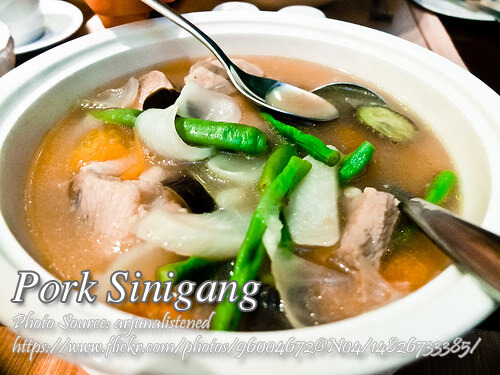
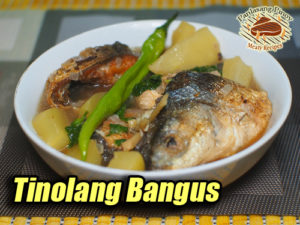
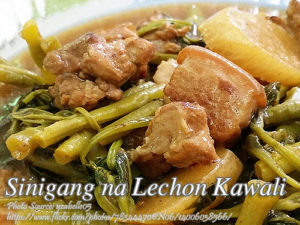
Sinigang na baboy is pork stewed in sour broth and is actually the original sinigang recipe before the many kinds of sinigang versions that was introduced. Some of the sinigang recipes includes sinigang na baka, sinigang na bangus, siningang na sugpo and many others.
Because of the popularity of sinigang, sinigang mix is introduced in the market and it makes our cooking simpler by just pouring the powder mix in cooking this dish. But nothing can beat the taste of the traditional fresh tamarind fruit that is boiled and mashed and extracting the tamarind juice.
A Comforting Bowl of Sinigang na Baboy from Home
Growing up, weekends in our house always meant one thing simmering on the stove. I still remember my Auntie Lorna standing by a large pot, gently pressing tomatoes with the back of a spoon while the aroma slowly filled the kitchen. She would call us over, asking if we could already smell the sour broth of sinigang na baboy, and of course we could. It was the kind of scent that wrapped around you and made you feel at home.
She learned her version from my Lolo Ernesto, who insisted that the best way to make this dish was to keep it simple and let the natural flavors shine. No shortcuts, no instant mixes. Just fresh ingredients, patience, and a bit of intuition. That’s the version I still follow today whenever I crave something warm and familiar.
Why Traditional Sinigang na Baboy Still Stands Out
There are many variations of sinigang now, from beef to shrimp to milkfish, but sinigang na baboy remains the original favorite in many Filipino homes. Its balance of sourness and savory richness is what makes it unforgettable. The pork adds depth to the broth, while the vegetables bring texture and freshness.
Over time, ready-made sinigang mixes became popular because they’re convenient. I’ll admit, even my cousin Mark uses them on busy days. But whenever we gather for special occasions, my sister Mia insists on using fresh sampaloc. According to her, the natural tamarind gives a cleaner, more layered sourness that powdered mixes just can’t replicate.
There’s also something deeply satisfying about preparing the tamarind yourself. It connects you to the roots of the dish, reminding you that this recipe has been passed down through generations.
The Heart of Sinigang na Baboy: Building the Broth
The first step in making sinigang na baboy is creating a flavorful base. In our kitchen, we combine pork cuts like ribs and chunks of meat in a large pot along with green onions and tomatoes. My Uncle Rey always told me to mash the tomatoes slightly before cooking. This helps release their juices early, giving the broth a richer and more natural sweetness.
As the pot simmers, the pork slowly becomes tender while releasing its flavor into the liquid. This gentle cooking process is important. Cooking the meat too quickly can make it tough, while a slow simmer allows the connective tissues to break down properly, resulting in a softer texture and a more flavorful soup.
Meanwhile, the sampaloc is boiled separately until soft and mushy. I remember helping my younger brother Paolo strain the pulp, pressing it through a sieve to extract every bit of that tangy juice. This step may take a little extra effort, but it’s what gives sinigang its signature taste.
Bringing Together the Flavors
Once the pork is tender, the strained tamarind juice is added to the pot. This is when the dish truly transforms into sinigang na baboy. The broth takes on that familiar sour aroma that instantly makes your mouth water.
Vegetables are added in stages, and this is something my Auntie Lorna was very particular about. She would always remind us that not all vegetables cook the same way. Gabi goes in first because it takes longer to soften and helps thicken the soup slightly. Radish follows, adding a mild peppery note, then sitaw for a bit of crunch.
Kangkong is always added last. My sister once made the mistake of adding it too early, and it turned overly soft and dull. Adding it at the end keeps its color vibrant and texture just right.
Seasoning and Personal Touches
Seasoning the dish is simple but important. A splash of patis enhances the savory flavor and balances the sourness. My Uncle Rey used to say that patis is what “wakes up” the broth, giving it that distinct Filipino character.
For those who like a bit of heat, adding chilies can elevate the dish even more. My cousin Jen likes hers slightly spicy, especially on rainy days. The gentle kick complements the sour broth without overpowering it.
Every family seems to have their own small twist on sinigang na baboy, but the heart of the dish remains the same. It’s about comfort, warmth, and sharing a meal that feels like home.
A Dish That Tells a Story
Sinigang na baboy is more than just a soup. It carries memories of family gatherings, quiet afternoons, and simple meals that bring people together. Even now, whenever I prepare it, I find myself remembering those moments in our old kitchen, with laughter in the background and the steady simmer of the pot.
For beginners, this dish is a great place to start. It’s forgiving, straightforward, and deeply rewarding. Once you get the balance of flavors right, it becomes something you’ll want to cook again and again.
And maybe, like in our family, it will become part of your own story too.
How to Cook Sinigang na Baboy
Equipment
- cooking pot
Ingredients
- 1/2 kilo cubed pork
- 1/2 kilo pork ribs
- 1 small bunch spring onion
- 1 kilo ripe tomatoes
- 4 pieces gabi cut in half
- 1/2 kilo sampaloc fruits tamarind
- 10 cups rice washing or water
- 1 bunch kangkong
- 1 bunch sitaw
- 2 pieces eggplant cut in 1 inch pieces
- 2 pieces radish cut in 1 inch pieces
- patis to taste
- 3 pieces long green chili or finger chilies
Instructions
How to Cook Sinigang na Baboy:
- In a large pot, put together the cubed pork, the ribs, green onion and tomatoes mashed with a fork.
- Cover and simmer for 30 minutes till meat is tender.
- In another pot put in the sampaloc with the water.
- Boil for about 10 minutes until the sampaloc is soft and mushy. Strain sampaloc water.
- When the meat is just tender but not overcooked, pour the sampaloc water into the large pot.
- Add the vegetables according to firmness, beginning with the gabi, then the radish, sitaw and kangkong in the last few minutes of cooking.
- Season with patis. The chilies may be added if a hot fiery sinigang is desired.
Video
Notes
Cooking Tips:
Choose the Right Cut for Sinigang na Baboy
For the best flavor, use pork ribs or a mix of ribs and belly for your sinigang na baboy. These cuts release more fat and collagen, which make the broth richer and more satisfying. Lean cuts may cook faster, but they won’t give the same depth and comforting mouthfeel.Layer Vegetables Properly in Sinigang na Baboy
Add vegetables based on how long they take to cook to keep the right texture in your sinigang na baboy. Start with gabi and radish, then add sitaw, and finish with kangkong at the end. This method prevents overcooking and keeps each vegetable tasting fresh and distinct.Balance the Sourness of Sinigang na Baboy
Taste the broth before serving and adjust the sourness of your sinigang na baboy gradually. If using fresh tamarind, add the juice in small amounts so you don’t overpower the dish. A splash of patis at the end helps round out the flavors and brings everything together.

Hi Camille, I also use instant sinigang mix like Knorr or Mamasita but using fresh tamarind taste really good.
This was very helpful! Im stuck at the house with my brother with the ingredients I found at the fridge..the instructions are simple so I tried this for the first time and the result was successful! there no sampaloc and gabi so I used Knorr Sinigang sa baboy with gabi.
i want to cook sinigang na baboy, because i miss filipino food and i live outside the country. that’s why i look in internet and i found this site, but the problem is there are some ingredients which is not available in this country . my question is how i can make it, we dont have here sampaloc and gabi…. how is it possible ?
@vilma villanueva
Some folks use lemon but I doubt if the taste will be the same. If no tamarind or sampalok available in the country where you reside, I think the best substitute is mama sita’s sinigang sa sampalok.
Thanks for the information.
My toothache has been bugging me lately, and by cooking sinigang i can soften up the rice and meat for easy chewing. thanks again for the help.
@Nathalie
try taking the other veggies off the recipe. although it might not be a legitimate sinigang but an improvised one would also be good. just easy up on the MSG.
I was reading through your step’s in how to cook sinigang na baboy. It is an easy step although I am looking for somthing more simple than what you posted. I am only intro to cooking.