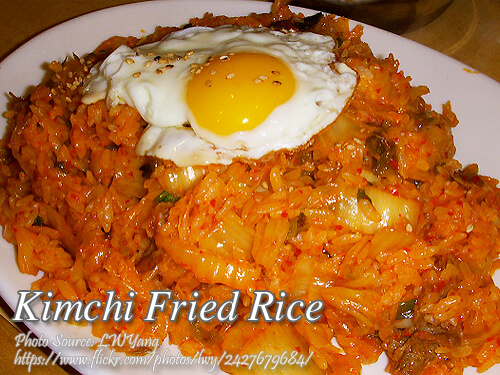
If you are looking for a unique and not your everyday fried rice, then I think this kimchi fried rice will spice up your day! I mean really spiced up and it is so spicy because it contains kimchi and red hot pepper paste. But I put the hot pepper paste as an optional ingredient if ever you don’t like the kimchi fried rice very spicy since kimchi is already full of red hot peppers.
Kimchi Fried Rice: A Family Favorite with a Spicy Twist
The first time I tasted kimchi fried rice, it wasn’t in a Korean restaurant. It was in my cousin Annie’s small kitchen in Quezon City after her trip to Seoul. She came home with jars of kimchi tucked carefully into her luggage, like precious souvenirs. Instead of cooking our usual garlic fried rice, she announced she would make something “a little different.” That night, our family was introduced to what she proudly called her version of kimchi fried rice, and it completely changed how we looked at leftover rice.
If you’re looking for something beyond the usual sinangag, this Korean-inspired dish might be exactly what you need. It’s bold, spicy, and packed with flavor. The heat comes mainly from the fermented cabbage and, if you want to turn it up a notch, a spoonful of gochujang. But don’t worry. You can easily adjust the spice level to suit your taste.
Why Kimchi Fried Rice Is Full of Flavor
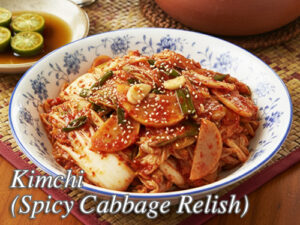
What makes kimchi fried rice so special is the balance of spice, saltiness, and tang. Kimchi is fermented cabbage seasoned with red chili flakes, garlic, ginger, and fish sauce. As it ferments, it develops a deep, slightly sour flavor that transforms simple rice into something crave-worthy.
My Uncle Boyet, who used to work on cargo ships and picked up recipes from different countries, always said fermented food adds “life” to a dish. He explained that the slight acidity cuts through the richness of oil and meat, making every bite taste lighter and more exciting. That’s exactly what happens here. The tangy kimchi wakes up the rice and keeps it from tasting flat.
Historically, kimchi fried rice became popular in Korea as a practical way to use up overripe kimchi. When the cabbage becomes too sour to enjoy on its own, it’s perfect for cooking. The heat mellows slightly, and the flavors deepen even more when stir-fried.
Choosing the Right Ingredients for Kimchi Fried Rice
When my sister Maricel first tried cooking kimchi fried rice, she used freshly cooked rice. It turned out soft and slightly mushy. Our Tita Nena gently told her that day-old rice works best. Cold rice has less moisture, so the grains stay separate during stir-frying. That’s the secret to getting that slightly chewy, restaurant-style texture.
Luncheon meat adds a savory, familiar flavor that makes the dish approachable for beginners. You can swap it with bacon, ham, or even leftover roasted chicken. Onion and garlic form the base, building aroma right from the start. A tablespoon of soy sauce deepens the color and enhances umami, while a splash of water and kimchi juice spreads the flavor evenly through the rice.
If you enjoy extra heat, a spoonful of gochujang can be stirred in. My cousin Annie prefers adding just a little because kimchi already brings enough spice. For beginners, it’s best to start small. You can always add more later, but you can’t take it out once it’s mixed in.
How to Cook Kimchi fried Rice for the Best Texture
Cooking kimchi fried rice is straightforward, but a few simple techniques make all the difference. First, heat the oil properly before adding the luncheon meat, onion, and garlic. Medium heat allows the meat to brown slightly while the aromatics soften and release their fragrance. This step builds a strong flavor base.
When you add the kimchi, stir-fry it briefly. Cooking it for about a minute helps reduce excess moisture and intensifies its flavor. This prevents the rice from becoming soggy later.
Once the rice goes in, mix thoroughly to break up clumps. Stir-frying for several minutes allows the grains to absorb the sauce and kimchi juice. Continuous tossing also helps evaporate extra moisture, giving the dish that slightly dry but flavorful finish.
A drizzle of sesame oil at the end adds a nutty aroma. It’s added last because sesame oil has a low smoke point. If cooked too long, it can lose its fragrance. A quick stir is all you need.
Topping Your Kimchi fried Rice the Traditional Way
No plate of kimchi fried rice feels complete without a sunny-side-up egg on top. My younger brother Carlo insists the yolk should be slightly runny. When you break it and let the golden center flow into the rice, it creates a rich sauce that balances the spice beautifully.
Frying the egg separately gives you better control over the doneness. A gently cooked white with a soft yolk adds contrast in both texture and flavor. Sprinkle chopped green onions and roasted sesame seeds on top for freshness and crunch.
Every time I cook this dish, it reminds me of that evening in Annie’s kitchen, all of us curious and a little unsure about trying something new. Now, it has become one of our favorite ways to use leftover rice. Simple ingredients, a bit of technique, and a willingness to experiment can turn everyday staples into something memorable. And that, to me, is what good home cooking is all about.
How to Cook Kimchi Fried Rice
Ingredients
- 1 cup kimchi chopped
- 3 cups cooked rice
- 1/8 cup kimchi juice
- 1/8 cup water
- 1/2 can luncheon meat cubed
- 1/2 pc onion diced
- 5 cloves garlic minced
- 1 teaspoon sesame oil
- 1 Tbsp. hot pepper paste gochujang (optional)
- 2 teaspoon roasted sesame seeds optional
- 1 Tbsp. soy sauce
- 1 stalk spring onion green onion, chopped
- 4 pcs fried eggs sunny side up (for garnishing)
- 2 Tbsp. corn oil or palm oil
- salt & pepper to taste
Instructions
How to Cook Kimchi Fried Rice:
- Heat up the oil in a wok or large frying pan.
- Add the luncheon meat, onion and garlic. Stir-fry for about 3 minutes on medium heat.
- Add in the kimchi and stir fry for about 1 minute.
- Put in the cooked rice and mix well. Add 1 tablespoon soy sauce, water and the kimchi juice. At this point you can also add hot pepper paste (gochujang) if desired.
- Stir-fry for about 8 more minutes then add sesame oil. Stir for a few seconds and season with salt and pepper to taste then remove from heat.
- Fry the egg in a separate pan. Best cooked with a raw or half cooked yolk, a sunny side-up.
- Arrange the cooked fried rice on a plate and top with the fried egg and some chopped green onion, roasted sesame seeds for garnish.
Notes
Cooking Tips:
Use Day-Old Rice for Better Texture
Day-old rice is drier and firmer, which helps keep the grains separate when stir-frying. Freshly cooked rice contains too much moisture and can turn mushy once mixed with kimchi and sauces. If you only have freshly cooked rice, spread it on a tray and let it cool completely to remove excess steam before using.Sauté the Kimchi Before Adding the Rice
Cooking the kimchi first deepens its flavor and slightly caramelizes the natural sugars from the fermentation. This step reduces excess liquid, which keeps the fried rice from becoming soggy. A quick stir-fry over medium heat also mellows sharp sourness and balances the overall taste.Add Sesame Oil at the End
Sesame oil has a low smoke point, so adding it too early can cause it to lose its aroma. Stirring it in at the end preserves its nutty fragrance and enhances the overall flavor of the dish. Just a small drizzle is enough to give the rice a rich and authentic finish.