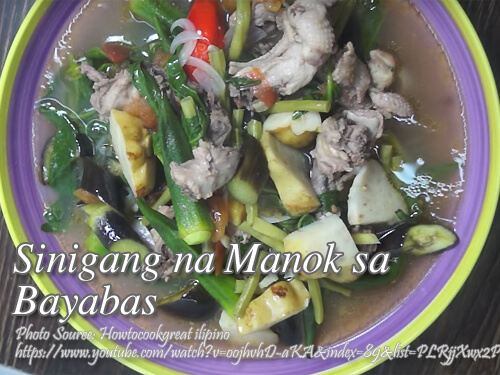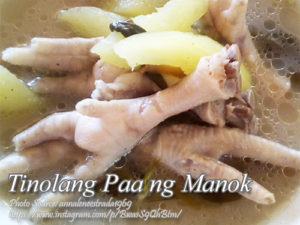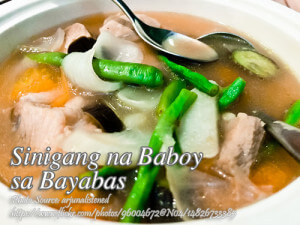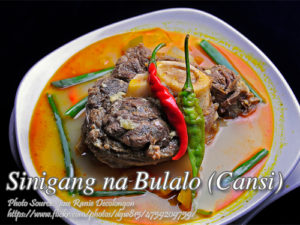
Of all the varieties of sinigang, I think chicken is not usually used on cooking the dish. The most popular Filipino chicken soup is called “tinola”. Pork is the traditional ingredient in cooking sinigang and the souring agent is tamarind. This chicken sinigang uses guavas as a souring agent and not tamarind. So better find unripe guavas or slightly ripe ones to get that sour taste of the dish.
Sinigang na Manok sa Bayabas: A Different Kind of Filipino Comfort Food
Of all the different kinds of sinigang I’ve cooked and eaten, chicken is probably one of the less common choices. When Filipinos think of chicken soup, tinola usually comes to mind first. It has tender chicken simmered with ginger, green papaya or sayote, and leafy greens, with a clear and soothing broth.
Sinigang is another story. Pork is probably the ingredient most people associate with this famously sour Filipino soup, especially when tamarind is used to give the broth its familiar tang. But chicken works surprisingly well, especially when the souring agent is fresh guava.
That’s where this sinigang na manok sa bayabas comes in.
Instead of using tamarind, this version gets its sour flavor from guavas. The fruit gives the soup a gentler, slightly fruity sourness that pairs nicely with chicken and vegetables. It’s comforting without being too heavy, and the guava adds a flavor that makes the broth taste distinctly different from the usual sinigang.
The important part is choosing the right fruit. If your guavas are very ripe and sweet, the soup can lose the sharp sourness you expect from sinigang. Slightly ripe or unripe guavas are much better for this recipe.
Choosing Guavas for Chicken Sinigang
If you’re making this dish for the first time, the guavas are probably the ingredient worth paying the most attention to.
Look for firm guavas that are green or just beginning to turn yellow. They should have some aroma but shouldn’t be soft and overly sweet. When you cut one open, the flesh can still be firm and slightly pale.
This matters because the goal is to flavor the broth with the fruit’s tartness rather than turn the soup into a sweet guava drink. Very ripe guavas can still be used if that’s what you have, but you may need another souring ingredient to bring the flavor back into balance.
I also prefer cutting the fruit into manageable pieces rather than leaving it whole. This gives more surface area for the water to pick up the guava’s flavor as the soup simmers.
Start with a Fragrant Base
The first step is simple, but it makes a noticeable difference in the finished soup. Heat a little cooking oil in a medium pot and sauté the garlic and ginger until fragrant.
Don’t rush this part. You’re not trying to brown the garlic heavily. Once the garlic smells aromatic and the ginger has softened slightly, add the onions and tomatoes. Give them about a minute to cook.
This short sauté helps develop a deeper flavor before the water goes into the pot. The tomatoes also soften and release some of their juices, giving the broth a little more body.
For a beginner cook, one easy mistake is turning the heat too high during this stage. Garlic can go from lightly golden to bitter surprisingly fast. Medium heat is usually enough.
Building the Broth with Chicken
Add the chicken pieces and sauté them briefly with the aromatics. You don’t need to brown the meat like you would for a stew. A minute is enough to coat the chicken with the flavors already in the pot.
Pour in the water, cover the pot, and bring everything to a boil. Once it starts bubbling, lower the heat and let the chicken cook gently for about 30 minutes.
This slower simmer is useful because it gives the chicken time to become tender while allowing its flavor to mingle with the ginger, onion, and tomato. A hard, rolling boil can make the broth unnecessarily cloudy and may cause leaner chicken pieces to become less tender.
The exact cooking time can vary depending on the size of the chicken pieces, so don’t rely on the clock alone. Check that the meat is cooked through and tender before moving on.
Adding the Guava and Vegetables
After the chicken has had time to cook, add the guavas, sitaw, patis, salt, and pepper. Let the soup boil gently for a few minutes.
At this point, give the broth a taste.
This is one of those moments when cooking experience matters more than blindly following a measurement. Guavas vary in sourness, chicken pieces differ in size, and even the amount of water can change the final flavor. If the broth tastes too mild, you may need a little more seasoning. If it is already nicely sour and savory, leave it alone.
Add the eggplants, kangkong, okra, and finger chili afterward. These vegetables don’t need a long cooking time. Four to six minutes is generally enough to cook them while keeping some texture.
Adding the vegetables toward the end is intentional. Eggplant can become very soft when overcooked, while kangkong leaves can quickly lose their fresh texture. Okra also releases more of its natural thickening quality the longer it cooks.
Why the Cooking Order Matters
There’s a reason this soup isn’t simply made by throwing everything into the pot at once.
Chicken needs considerably more time to cook than kangkong leaves, for example. Starting with the meat allows it to become tender without turning the vegetables into mush. The firmer vegetables get a little more cooking time, while the delicate greens and chili go in closer to the end.
The same idea applies to the guavas. They need enough time to release their tart flavor into the broth, but they don’t have to be boiled aggressively for the entire cooking period.
Once everything is tender and seasoned to your liking, the sinigang na manok sa bayabas is ready for the table.
A Little History Behind Sinigang
Sinigang is deeply connected to the Filipino love for sour flavors. Tamarind is perhaps the best-known souring ingredient today, but Filipino cooks have long used different fruits and natural ingredients to give sour soups their characteristic taste.
Depending on the region and what is available, souring agents can include kamias, green mango, calamansi, batuan, and guava. This variety is part of what makes sinigang so interesting. There isn’t just one way to make it.
Guava-based versions are sometimes associated with regional Filipino cooking, particularly in places where guava grows readily. Using local fruit as a souring ingredient also makes practical sense: before packaged soup mixes became common, home cooks naturally worked with whatever fresh ingredients were available.
That’s a useful reminder when cooking Filipino food today. Recipes can have a familiar foundation while still changing from one household to another.
Tips for Better Sinigang na Manok sa Bayabas
If your first batch doesn’t taste quite as sour as you expected, don’t immediately add a large amount of seasoning. Taste the broth first and make small adjustments. The sourness should complement the chicken and vegetables rather than overpower them.
Patis is especially helpful because it adds saltiness along with a savory depth. Add it gradually, particularly if you’re also using salt. It’s much easier to add seasoning than to correct an overly salty pot of soup.
I also recommend serving the soup while the vegetables still have some texture. Freshly cooked kangkong, tender eggplant, and crisp-tender sitaw make the dish much more enjoyable than vegetables that have been simmering until completely soft.
And, as with many Filipino soups, a steaming bowl of rice is practically part of the experience. Spoon some of the sour, savory broth over the rice, add a piece of chicken and vegetables, and you have a simple meal that feels both familiar and special.
Serve It While It’s Hot
There’s something particularly comforting about bringing a pot of sinigang na manok sa bayabas straight to the table. The aroma of ginger rises from the broth, the guava gives it a gentle fruity note, and the vegetables add color and texture.
It may not be the first chicken dish that comes to mind when you think of Filipino comfort food, but that’s exactly why it’s worth trying.
If you have firm, tart guavas sitting in your kitchen, this is a good way to put them to use. Keep the simmer gentle, taste the broth as you go, and don’t be afraid to adjust the seasoning based on the fruit you have. Once you get a feel for that balance of sour, savory, and fresh vegetable flavors, this chicken version of sinigang can easily become a welcome change from the usual tinola or pork-based soup.
How to Cook Sinigang na Manok sa Bayabas (Chicken in Guava Sour Broth)
Ingredients
- 1 kilo chicken cut in to serving pieces
- 3 cloves garlic minced
- 1 Tbsp ginger thinly sliced
- 2 pcs tomatoes chopped
- 2 pcs onions chopped
- 1 pc eggplant sliced diagonally
- 1/2 kilo guavas quartered
- 5 pcs okra sliced
- 1 small bunch kangkong use the leaves only
- 1 small bunch sitaw cut into 2 inches long
- 2 pcs green finger chili
- 1 tsp. black pepper
- 1 tsp. salt
- 1 Tbsp. patis or fish sauce
- 2 Tbsp. cooking oil
- About 6 cups water
Instructions
How to Cook Sinigang na Manok sa Bayabas:
- In a medium sized cooking pot, heat cooking oil and saute garlic and ginger until fragrant.
- Add the onions and tomatoes then saute for one minute.
- Add the chicken pieces and saute for another minute. Pour water, cover and bring to a boil.
- Lower the heat and cook for about 30 minutes. Then add the guavas, sitaw, patis, salt and pepper.
- Let it boil for a few minutes than add the eggplants, kangkong, okra, and finger chili.
- Boil for another 4 to 6 minutes and it is ready to serve.
Notes
Choose Firm, Tart Guavas
Use green or slightly ripe guavas because they provide the tart flavor that makes this sinigang stand out. Avoid very ripe, soft guavas, which can make the broth noticeably sweeter instead of pleasantly sour. If your guavas aren’t very tart, taste the broth near the end and adjust the sourness gradually.Simmer the Chicken Gently
After bringing the chicken to a boil, lower the heat and let it simmer gently until the meat is tender. A gentle simmer helps the chicken absorb the flavors of the ginger, garlic, tomatoes, and guava while keeping the broth from becoming overly cloudy. Check the largest piece of chicken before adding the vegetables to make sure it is cooked through.Add the Vegetables at the Right Time
Add firmer vegetables such as sitaw and guava before the eggplant, okra, kangkong, and finger chili. The shorter cooking time keeps the vegetables from becoming too soft while preserving their texture and fresh flavor. Once the last batch of vegetables goes in, simmer for only about four to six minutes and serve the soup hot.