
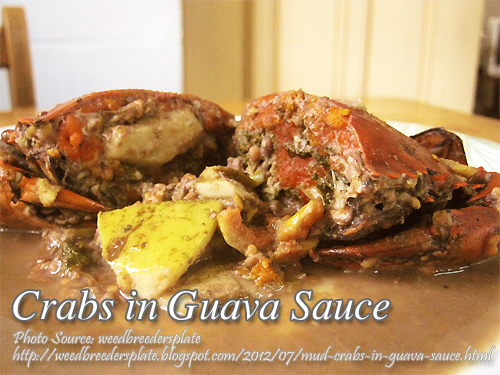
A zesty and appetizing crabs in guava sauce dish. If you are fond of seafood dishes with a fruity flavor, I’m sure you are going to love this dish. Mudcrabs is the preferred ingredient in this recipe but in case it is not available, blue crabs is the best alternative. Choose the biggest blue crabs you can find to enjoy this dish.
A Sweet and Tangy Twist on a Filipino Seafood Favorite
There’s something especially satisfying about cooking crabs with a sauce that is a little unexpected. Instead of the usual garlic butter or coconut milk, this Filipino-style dish brings together fresh crab and the sweet-tart flavor of ripe guava. The result is a bright, zesty sauce that tastes both familiar and different.
This crabs in guava sauce recipe is one of those dishes that may sound unusual at first, but the combination makes sense once you taste it. The natural sweetness of the guava balances the savory crab, while the crab fat gives the sauce a deep seafood flavor that you simply can’t get from the meat alone.
If you’re new to cooking whole crabs, don’t worry. The preparation takes a little patience, but the actual cooking is quite straightforward.
Choosing Crabs for Guava Sauce
Mud crabs are my first choice for this recipe because they’re meaty and have plenty of rich crab fat. If you can find large, lively mud crabs at your local market, they’re worth using. Blue crabs are a good alternative, especially when mud crabs aren’t available.
The important thing is size. Smaller crabs can still work, but they have less meat and can be more difficult to enjoy once cooked. I prefer choosing the biggest blue crabs available when substituting.
When buying live crabs, look for ones that feel heavy for their size and are active. A heavier crab generally gives you a better amount of meat. Handle them carefully, particularly around the claws.
For beginners, cleaning live crabs can feel intimidating. Rinse them thoroughly and work carefully. Cutting each crab crosswise into two pieces makes them easier to cook and serve while allowing the sauce to reach the meat.
Why Save the Crab Fat?
This is one step I wouldn’t skip.
When preparing the crabs, save the yellow-orange fat from inside the body. It might not look particularly impressive on its own, but once it goes into the sauce, it adds a rich, savory flavor.
I’ve found that crab fat also helps round out the fruity character of the guava. Without it, the sauce can taste more like a sweet fruit broth with seafood added to it. With the fat, the flavors come together much better.
If you’re buying cleaned crabs and there isn’t much fat available, don’t worry. The dish will still work. Just expect the sauce to be a little lighter.
Preparing the Guava for the Sauce
The guava is what makes this crab dish special. Choose ripe guavas that smell fragrant and have flesh that gives slightly when pressed. They should be soft enough to release their flavor during cooking but not so overripe that they’re mushy.
Peel the fruit and cut each one in half. Scoop out the seeds and keep the flesh separate.
Here’s a small technique that makes a noticeable difference: don’t throw the seeds away. Place them in a saucepan with water and bring them to a boil. Then strain the liquid, keeping the resulting guava broth.
Why bother doing this? Guava seeds carry plenty of flavor, but their hard texture isn’t pleasant to eat. Simmering them in water extracts some of their fruity character without putting all those tiny seeds into your finished sauce.
The strained liquid also gives the dish a more pronounced guava flavor without requiring a large amount of fruit.
Cooking Crabs in Guava Sauce
Start by heating a little oil in a saucepan and gently sautéing the garlic until it becomes light brown. Watch it closely here. Garlic can go from beautifully golden to bitter in a surprisingly short time.
Once the garlic is ready, add the guava flesh and the strained guava broth. Add the crab meat, reserved crab fat, and the remaining water.
At this point, the saucepan may look more like a simple broth than a finished sauce. That’s perfectly normal. As the fruit cooks down and the crab releases its juices, the mixture becomes more flavorful.
Season with salt and sugar, then let everything come to a boil.
The sugar isn’t there to turn the dish into a dessert. It simply helps balance the natural tartness of the guava. Depending on how ripe your fruit is, you may need a little more or less. Taste the liquid after it has simmered for a while and adjust carefully.
Let the Crabs Cook Gently
Allow the mixture to cook for about 20 minutes, or until the crabs are fully cooked.
One mistake beginners sometimes make is turning the heat up too high because they want the crabs to cook faster. There’s really no need. A steady simmer gives the flavors time to mingle and allows the guava to soften into the broth.
You’ll notice the crab shells becoming a much brighter orange-red as they cook. The meat should turn opaque and firm. If you’re unsure, check the thickest portion of the crab meat rather than relying on the shell color alone.
Avoid aggressively stirring the pot, too. Crab pieces can break apart, especially once they become tender. A gentle stir or occasional shake of the saucepan is enough to distribute the sauce.
Getting the Flavor Balance Right
The best part of making this dish at home is being able to adjust it to your taste.
Guavas can vary quite a bit. Some are pleasantly sweet and fragrant, while others are noticeably tart. That means the amount of sugar needed can change from one batch to another.
If your sauce tastes too sharp, add a small amount of sugar and taste again. If it seems too sweet, a little more salt can bring the savory side forward. Make small adjustments instead of adding a lot at once.
You’re looking for a balance where the fruit is noticeable but the dish still tastes unmistakably like a seafood meal.
A Little Food History Behind the Fruit and Seafood Pairing
Guava has long been a familiar tropical fruit in the Philippines. It grows readily in warm climates and appears in everything from snacks and preserves to savory preparations.
Filipino cooking also has a long tradition of pairing seafood with ingredients that provide sourness, sweetness, or both. Think of the role tamarind plays in sour soups or green mango in fresh dipping sauces. Fruit-based flavors can work surprisingly well with seafood because they brighten rich ingredients.
This preparation follows that same idea but takes a less common route by using guava. The crab provides richness, while the fruit brings acidity and sweetness to keep the sauce from feeling heavy.
That balance is what makes this dish worth trying if your usual crab recipes are starting to feel repetitive.
Serving Crabs in Guava Sauce
Serve the crabs hot, preferably with plenty of freshly cooked rice.
The sauce is not something I’d leave behind. Spoon some over the rice and let it soak in before adding pieces of crab meat. The sweet-tart broth, garlic, and rich crab fat create a combination that works particularly well with plain steamed rice.
Keep a small bowl nearby for the shells, and don’t be shy about using your hands. Crab is one of those foods that is simply more enjoyable when you can crack the shell, pull out the meat, and scoop up the sauce as you go.
For a family meal, this is the kind of dish that naturally slows everyone down around the table. There’s a little cracking, dipping, tasting, and reaching for another spoonful of rice.
Tips for First-Time Cooks
If this is your first time making this guava crab dish, focus on the small details rather than trying to rush the process.
Use ripe but not spoiled guavas, save the crab fat when available, and watch the garlic carefully while sautéing. Most importantly, taste the sauce before serving. Fruit varies, so following the sugar measurement blindly isn’t always the best approach.
I also recommend preparing all your ingredients before turning on the stove. Once the garlic is cooking, you’ll want the guava and crab ready to go. This prevents the garlic from burning while you’re still peeling or chopping something.
And if your sauce looks thinner than expected, don’t immediately add a thickener. The goal here is a flavorful broth-like sauce rather than a heavy gravy. After simmering with the crab and fruit, it should have enough body to cling lightly to the meat and rice.
Why You’ll Want to Try This Crab Dish
Crabs in guava sauce may not be the first combination that comes to mind when planning a seafood meal, but that’s exactly what makes it interesting.
The preparation is simple enough for a beginner, yet the finished dish has layers of flavor from the garlic, crab fat, and naturally sweet-tart guava. Once you understand how those flavors balance each other, the recipe becomes much less intimidating.
Serve it hot with plenty of rice, gather everyone around the table, and enjoy the messy, hands-on experience that comes with eating good crab. Sometimes the most memorable dishes are the ones that make you curious enough to try something a little different.
How to Cook Crabs in Guava Sauce
Ingredients
- 1 kilo fresh alimango mudcrabs or alimasag, blue swimmer crabs
- 1/2 to 3/4 kilo ripe guavas
- 1 1/2 cup water divided
- 1 Tbsp. cooking oil
- 1 Tbsp. garlic minced
- 1 Tbsp. rock salt
- 1 Tbsp. sugar
Instructions
How to Cook Crabs With Guava Sauce
- Wash live crabs. Cut each crab into two, crosswise. Save the crab fat.
- Pare guavas and slice each guava in half.
- Scoop out the seeds and set aside the guava meat.
- Transfer seeds to saucepan. Add 1/4 cup water and boil.
- Strain guava broth to separate from seeds.
- Heat saucepan with oil and saute garlic until light brown.
- Add guava meat, guava broth, crab meat, crab fat and the rest of the water.
- Put salt and sugar and allow to boil until crabs are cooked around 20 minutes.
- Serve hot. Serves 8.
Notes
Choose Heavy, Fresh Crabs
Choose live crabs that feel heavy for their size, as they usually have more meat and a fuller flavor. If using blue crabs instead of mudcrabs, pick the largest ones available for better meat-to-shell ratio. Fresh crabs should have a clean ocean-like smell and firm shells without an unpleasant odor.Extract More Flavor From the Guava
Boiling the guava seeds with water helps draw out their fruity aroma and flavor for a more flavorful sauce. Strain the broth thoroughly before adding it to the pan so the tough seeds do not end up in the finished dish. Use ripe, fragrant guavas for a naturally sweet and slightly tangy sauce.Brown the Garlic Carefully
Sauté the garlic until lightly golden to develop a deeper aroma and subtle sweetness that complements the crab and guava. Keep the heat moderate because garlic can quickly go from golden to burnt, which can make the sauce bitter. Once the garlic is lightly browned, add the remaining ingredients promptly to prevent it from cooking further.




Your recipes are simple and easy to follow specially for a brand new cook like me. Thanks.
Hi Rolando, thank you very much for your comment!