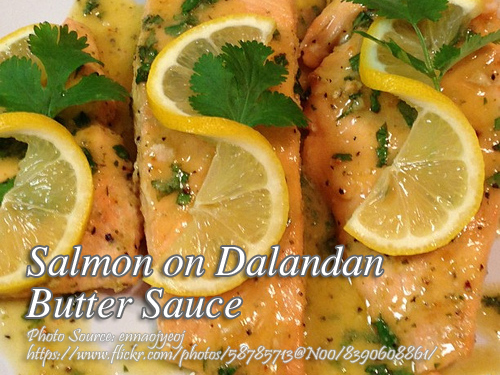
This is a recipe of a seared salmon on dalandan butter sauce. Actually this is the counterpart of salmon with lemon butter sauce and to make it more suited to the Pinoy taste the lemon is substituted with dalandan, a citrus similar to orange or ponkan but the skin is colored green like a lime and it is thinner compared to orange which you can easily peel off.
Salmon on Dalandan Butter Sauce: A Simple Citrus Twist for Everyday Cooking
There are days when you want something a little special for dinner, but not complicated enough to leave your kitchen looking like a disaster. This salmon on dalandan butter sauce is one of those recipes I keep coming back to. It feels a bit fancy, like something you’d order at a restaurant, but it’s actually simple enough to pull off on a weeknight.
The first time I made this, I was aiming for a classic lemon butter salmon. But like most Filipino kitchens, there was no lemon in sight. What I did have was a few pieces of dalandan sitting in the fruit basket. That small swap turned out better than expected. The flavor was softer, slightly sweet, and less sharp than lemon, which worked really well with the richness of the butter.
Why Dalandan Works So Well in This Recipe
Dalandan is one of those fruits that often gets overlooked, but it shines in savory dishes. Compared to lemon, it has a milder acidity and a hint of sweetness that doesn’t overpower the dish. When you use it in a salmon on dalandan butter sauce, it balances the natural oiliness of the fish without making it taste too sour.
I noticed that when I used lemon before, the sauce sometimes turned a bit too tangy, especially if reduced too much. With dalandan, even if the sauce cooks down further than expected, it still stays smooth and pleasant. It’s more forgiving, which makes it perfect for beginners.
There’s also something familiar about the flavor. It reminds me of those simple citrus drinks we grew up with, the kind Tita would make on a hot afternoon. That same brightness comes through in the sauce, but in a more refined way.
Getting a Good Sear on the Salmon
Cooking the salmon properly is where most beginners get nervous, but it’s actually straightforward once you know what to look for.
Start by heating oil in a nonstick pan. Don’t rush this part. If the pan isn’t hot enough, the fish will stick and you won’t get that nice crust. I usually test it by sprinkling a tiny drop of water. If it sizzles right away, you’re good to go.
Season your fillet simply with salt and pepper. When you place it in the pan, you should hear a steady sizzle. That sound tells you the surface is sealing properly.
Let it cook undisturbed for about three minutes. This is important. I made the mistake before of flipping too early, and the fish broke apart. When it’s ready, it will release easily from the pan. Flip it once and cook the other side.
You’ll notice the color change from translucent to opaque as it cooks. That’s your visual cue. Once both sides are done, set it aside. Don’t overcook it, or it will turn dry and lose that tender, flaky texture.
Building the Dalandan Butter Sauce
This is where the dish really comes together. The sauce might sound simple, but the technique makes a big difference.
Pour your dalandan juice and a bit of sugar into a stainless steel saucepan and cook it over low heat. The goal here is to reduce the liquid. As it simmers, the flavor becomes more concentrated. You’ll notice the aroma getting stronger and slightly sweeter.
Once it reduces to about two tablespoons, add the cream and let it cook briefly. This step softens the acidity and gives the sauce a smoother body. If you skip this, the sauce can taste too sharp.
Now comes the part that requires a bit of patience. Remove the pan from heat and start adding cold butter one cube at a time. Stir each piece until fully melted before adding the next.
This technique is called emulsifying. By adding cold butter gradually, you’re helping the sauce stay smooth and slightly thick instead of separating into oil and liquid. I learned this the hard way when I dumped all the butter in at once. The sauce broke and looked greasy instead of silky.
If it starts to separate, don’t panic. You can whisk it gently or add a tiny splash of warm water to bring it back together.
Season to taste. Sometimes I add a pinch more salt if the butter I used is unsalted. Taste as you go. That’s the best way to get it right.
Bringing It All Together
Once your sauce is ready, pour it over the cooked fish. This is the moment when everything makes sense. The glossy citrus butter coats the salmon, and you get that rich, slightly tangy aroma right away.
I like serving this salmon on dalandan butter sauce with simple sides like steamed vegetables or lightly sautéed greens. Nothing too heavy, because the sauce already carries a lot of flavor.
If you’re cooking for family, this is one of those dishes that gets quiet reactions at the table. You know the kind. No one says anything for the first few bites because they’re too busy eating.
Common Mistakes and How to Fix Them
One of the most common issues is overcooking the fish. Salmon cooks quickly, and even an extra minute can make a difference. If it turns dry, try spooning extra sauce over it. It won’t fully fix the texture, but it helps bring back some moisture.
Another problem is a sauce that’s too thin. This usually means it wasn’t reduced enough at the start. Letting the juice simmer longer before adding cream makes a big difference.
On the other hand, if the sauce tastes too strong or slightly bitter, it may have reduced too much. Adding a splash of cream or a bit more butter can help balance it out.
A Filipino Twist on a Classic Dish
What I like most about this recipe is how it takes something familiar and gives it a local touch. Lemon butter sauces are common in Western cooking, but swapping in dalandan makes it feel closer to home.
It’s a small change, but it shows how adaptable cooking can be. You don’t always need imported ingredients to make something good. Sometimes what’s already in your kitchen works even better.
Even Kuya, who usually prefers grilled or fried dishes, ended up liking this version. He said the sauce reminded him of something between a citrus glaze and a creamy dressing, which is actually a pretty accurate way to describe it.
Why This Recipe Works for Beginners
This salmon on dalandan butter sauce is a good starting point if you’re trying to cook fish more confidently. It doesn’t require complicated steps, but it teaches useful techniques like searing and emulsifying.
You also get immediate feedback while cooking. You can hear when the pan is hot enough, see when the fish is done, and taste how the sauce develops. These small observations help you improve without needing advanced skills.
Once you get comfortable with it, you can easily adjust the flavors. Add a bit more citrus for brightness or more butter for richness. It’s flexible, which makes it less intimidating.
Final Thoughts on Salmon on Dalandan Butter Sauce
At its core, this dish is simple, but it doesn’t feel basic. The combination of seared salmon and citrus butter sauce hits that balance of rich and fresh that’s hard to resist.
If you’ve never tried making salmon on dalandan butter sauce before, this is a good place to start. It’s forgiving, flavorful, and just different enough to stand out from the usual recipes.
And once you’ve made it a few times, you’ll probably find yourself reaching for dalandan more often, not just for drinks, but for cooking too.
How to Cook Salmon on Dalandan Butter Sauce
Ingredients
- 150 grams salmon fillet
- 2 Tbsp cooking oil
- salt and pepper to taste
Dalandan Butter Sauce:
- 1/2 cup dalandan juice
- 2 Tbsp cream
- 1 Tbsp sugar
- 1/4 cup cold butter cut into cubes
Instructions
How to Cook Salmon On Dalandan Butter Sauce
- Heat oil in a nonstick pan. Season salmon fillet with salt and pepper.
- When pan is hot, cook fish for 3 minutes per side. Set aside when done.
- Pour dalandan juice and sugar in stainless steel saucepan.
- Cook over low heat until almost two tablespoons of juice is left. Add cream and cook for 2 minutes.
- Remove from heat and add cold butter, one cube at a time, stirring until it melts before adding another cube.
- Season to taste. Pour Dalandan Butter Sauce over cooked salmon fillet and serve with your favorite stalks and vegetables, if desired.
Notes
Cooking Tips:
Use a Hot Pan for a Perfect Sear
Make sure your pan is fully heated before adding the salmon to avoid sticking and tearing. A hot surface helps create a light crust that locks in moisture and flavor. If the fish releases easily when flipped, that’s a good sign it has formed a proper sear.Reduce the Dalandan Juice Properly
Let the dalandan juice simmer until it thickens and concentrates in flavor before adding cream. This step ensures the citrus taste stands out and doesn’t get diluted later on. Rushing this process can result in a weak and watery sauce.Add Cold Butter Gradually for a Smooth Sauce
Always add cold butter one piece at a time while stirring to keep the sauce smooth and stable. This technique helps emulsify the sauce, preventing it from separating into oil and liquid. If added too quickly, the sauce can turn greasy instead of silky.