
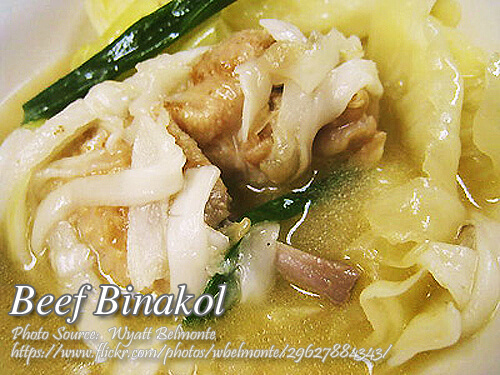
Beef binakol is a variation of chicken binakol, a popular dish in Iloilo similar to tinola but simmered in coconut water and coconut meat. Beef binakol also use the same process of cooking it with coconut water and coconut meat but since beef takes longer to cook than chicken, there is an extra step in cooking this dish. You have to tenderize the beef first by cooking it in a pressure cooker or cook it with only an ordinary cooking pot but that will take longer than the pressure cooker.
Beef Binakol: A Hearty Twist on a Filipino Classic
If you love the comforting ginger broth of tinola, you’ll want to try beef binakol. This Filipino soup has the same familiar combination of ginger, onion, and tender meat, but there’s one ingredient that makes it stand apart: fresh coconut water.
Chicken binakol is more commonly known, particularly in parts of the Visayas, and it’s often associated with Iloilo and nearby areas. Instead of using plain water or a heavily seasoned broth, the chicken is simmered in coconut water with young coconut meat. The result is a soup that tastes light and naturally sweet, with a gentle coconut flavor that works surprisingly well with savory meat.
This beef version follows the same idea, but cooking the meat requires a little more patience. Beef doesn’t become fork-tender as quickly as chicken, so I like to tenderize it first before building the soup. A pressure cooker makes this step much faster, although an ordinary pot works, too, if you don’t mind giving it more time.
The extra step is worth it. Once the beef is tender and simmered again with coconut water, ginger, and young coconut meat, you get a comforting soup that feels both familiar and a little different.
Why Beef Binakol Needs an Extra Cooking Step
The biggest difference between chicken binakol and beef binakol is the meat itself.
Chicken can become tender relatively quickly, while tougher beef cuts contain connective tissue that needs time and moisture to break down. If you put raw beef directly into the coconut water and expect it to become tender during the final simmer, you may end up with meat that is still chewy when the vegetables are already cooked.
That’s why I recommend cooking the beef separately first.
For this recipe, the beef is boiled in water in a pressure cooker for about 20 to 25 minutes, or until tender. The exact cooking time can vary depending on the cut and size of the pieces, so don’t rely on the clock alone. When you can easily pierce the meat with a fork, that’s a much better indication that it’s ready.
The broth from this first cooking is also saved. Don’t throw it away. It contains plenty of beef flavor and becomes part of the soup later.
If you’re using a regular pot, the same process can be done on the stovetop. Just expect the beef to take considerably longer to soften. Keep the pot covered and add more water when necessary to prevent the liquid from drying out.
Building the Flavor of Beef Binakol
Once the beef is tender, the rest of the cooking goes fairly quickly.
Start by heating a little oil and sautéing the garlic, ginger, and onions. This simple combination does a lot of work. The garlic adds savory depth, the onion brings sweetness, and the ginger gives the soup its characteristic warm, fresh flavor.
One thing I’ve learned when making Filipino soups is not to rush this part. You don’t need to brown the aromatics until they’re dark. Cook them just until fragrant and the onions begin to soften. If the garlic burns, its bitterness can spread throughout the broth, and there isn’t much you can do to hide it afterward.
Add the tender beef and stir-fry it briefly with the aromatics. This gives the meat another opportunity to pick up those flavors before the liquid goes in.
Then pour in the reserved beef stock and the fresh buko water.
This is where the character of beef binakol really starts to come together.
Why Coconut Water Works So Well
Coconut water may sound like an unusual soup ingredient if you’ve never cooked with it this way, but it makes perfect sense in binakol.
Fresh coconut water has a mild sweetness and a clean flavor. It doesn’t make the soup taste like dessert. Instead, it softens the sharper flavors of the ginger and balances the savory beef. As the soup simmers, the different flavors blend into a broth that is delicate but still satisfying.
If you have access to fresh young coconut, use the water from the coconut and save the soft meat for later. The coconut meat is added toward the end so it retains some of its tender, pleasant texture.
This is also one reason I wouldn’t recommend adding the buko meat at the beginning. If it cooks for too long, it can become overly soft and lose the texture that makes it enjoyable to spoon up with the broth.
Let the Beef Binakol Simmer Gently
After adding the broth and coconut water, bring everything to a boil. Once it starts bubbling, lower the heat and let the soup simmer for about 30 minutes.
The gentle simmer matters.
A rolling boil can make the broth look cloudy and cause the meat and vegetables to cook unevenly. A quieter simmer gives the flavors time to mingle while keeping the soup pleasant and light.
This is also the stage where I like to taste the broth before adding the final seasoning. Beef stock can vary quite a bit in saltiness, especially if you’re using leftover homemade broth. Add salt gradually, taste, and adjust. A little black pepper finishes the soup nicely.
There’s no need to load this dish with lots of seasonings. The beef, ginger, coconut water, and aromatics already provide most of the flavor.
Adding the Buko Meat and Carrots
Once the broth has simmered and the beef is nicely tender, add the young coconut meat and carrots.
The carrots bring a subtle sweetness and a little color to the pot, while the coconut meat adds a soft, slightly chewy texture. I prefer adding both at this point rather than earlier because they don’t need a long cooking time.
Cook until the carrots are tender but not falling apart. You should still be able to see and taste the individual pieces when you take a spoonful.
Give the broth one final taste. If it needs more salt or pepper, adjust it before serving.
A Few Things to Remember When Cooking Beef Binakol
The most common mistake with this soup is undercooking the beef during the first stage. If the meat is still tough before you add the coconut water, give it more time. The final 30-minute simmer is meant to develop the soup, not magically tenderize a very tough piece of beef.
Another thing to watch is the amount of liquid. The beef stock and coconut water should give you plenty of broth, but you can adjust the consistency to your preference. If the soup becomes too concentrated after simmering, add a little water or extra coconut water and taste again.
Fresh ingredients also make a noticeable difference here. Fresh ginger has a brighter flavor than powdered ginger, while freshly opened coconut water gives the soup a more natural sweetness.
And if you’re cooking for children or anyone who prefers mild flavors, you can easily keep the ginger modest. The soup will still have plenty of character without becoming too spicy or sharp.
The Story Behind Binakol
Binakol is a good example of how Filipino cooking often grows from what is available locally. Coconut trees are abundant in many parts of the Philippines, so coconut water and young coconut meat naturally found their way into everyday cooking.
Chicken binakol is particularly associated with the Visayas and is often compared with tinola because both dishes use ginger and a light broth. The important distinction is the use of coconut water and young coconut in binakol, giving it a subtly sweet character.
Making beef binakol is a reminder that traditional cooking doesn’t always have to stay limited to one type of meat. The same basic cooking idea can be adapted to beef, as long as you respect the difference in cooking time.
Serving Beef Binakol
Serve the soup hot, preferably with freshly cooked rice on the side. Sprinkle chopped spring onions over each serving just before bringing it to the table. The fresh onions add a little bite and make the bowl look much more inviting.
I especially like serving beef binakol on a rainy afternoon when everyone is looking for something warm and filling. It isn’t a complicated dish, but it does require you to pay attention to the beef and give it the time it needs.
Once the meat is tender, though, the rest comes together easily.
The finished soup is savory, gently sweet, gingery, and comforting without feeling heavy. It’s a nice change from the usual beef soups, and if you already enjoy tinola, there’s a good chance you’ll appreciate this coconut-water version too.
Most importantly, don’t be afraid of the extra tenderizing step. That little bit of preparation is what turns a potentially chewy beef soup into a bowl of tender meat and flavorful broth. Take your time with the beef, taste the soup as you go, and let the simple ingredients do their work.
How to Cook Beef Binakol
Ingredients
- 1/2 kilo beef chuck cubed
- 3 1/2 cup water
- 2 Tbsp. cooking oil
- 1 head garlic minced
- 1 thumb sized ginger cut into strips
- 1 pc onion chopped
- 3 cup beef stock
- 1 pc young coconut meat buko, shredded
- 1 1/2 cup buko water
- 1 pc carrot sliced
- 1 tsp. fine salt
- 1/4 tsp. black pepper ground
- 3 pcs spring onions chopped
Instructions
How to Cook Beef Binakol:
- In a pressure cooker, boil beef in water for 20-25 minutes or until tender.
- Reserve broth. Heat oil and sauté garlic, ginger and onions.
- Add the beef pieces and stir fry. Add the beef stock and buko water.
- Let boil. Lower heat and allow to simmer for 30 minutes.
- Add the buko meat and carrots. Season with salt and pepper.
- Serve hot sprinkled with spring onions. Serves 5.
Notes
Tenderize the Beef First
Cook the beef until fork-tender before adding it to the coconut broth, as tougher cuts need more time to soften. A pressure cooker can shorten the cooking time considerably, while a regular pot will require a longer, gentle simmer. Save the flavorful beef stock because it adds depth to the finished soup.Keep the Broth at a Gentle Simmer
After adding the beef stock and coconut water, bring the soup to a boil, then reduce the heat to maintain a gentle simmer. This allows the flavors to blend without aggressively boiling the meat or making the broth overly cloudy. Taste the soup as it cooks and adjust the salt gradually, especially if your beef stock is already seasoned.Add the Buko Meat Near the End
Add the young coconut meat during the final stage of cooking so it stays tender and retains some of its pleasant texture. Adding it too early can make the soft coconut meat overly mushy after prolonged cooking. Finish the soup with spring onions just before serving for a fresh contrast to the rich, savory broth.


your website is very educational.It helps me alot