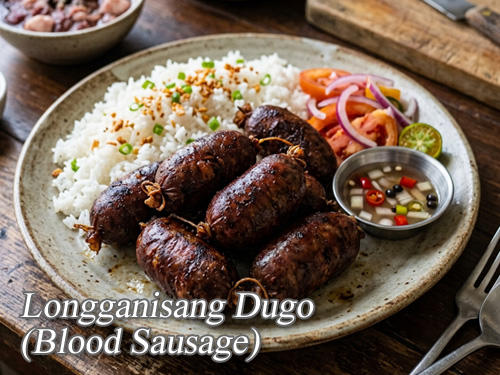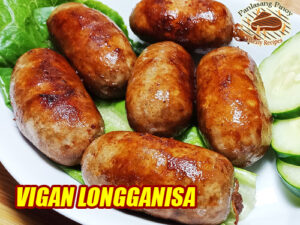
This is a recipe of a blood sausage or longganisang dugo. It is a sausage made from ground pork, fat and pork blood and of course some spices, flavorings and preservative. It is not as popular as the pork longanisa which only uses ground pork maybe because we already have the pork dinuguan dish which is a popular Filipino blood stew dish.
Longganisang Dugo and the Filipino Love for Nose-to-Tail Cooking
Longganisang dugo might not be as common on the breakfast table as sweet pork longganisa, but it carries the same rich Filipino tradition of resourceful cooking. In many provincial homes, especially during fiestas or hog butchering season, no part of the pig goes to waste. Blood, fat, lean meat, and even the casing are transformed into hearty dishes that can feed a large family and keep well for days.
This Filipino blood sausage is deeply rooted in old-style home cooking where preservation mattered as much as flavor. Before refrigeration became common, curing meat with salt, vinegar, and preservatives helped extend shelf life. The result was a flavorful sausage with a deep savory taste and a slightly earthy richness that pairs perfectly with garlic rice and vinegar dipping sauce.
The first time I watched an older relative prepare longganisang dugo, I remember being surprised at how careful the process was. Pork blood can easily clot or turn grainy if handled incorrectly, so timing and temperature matter. Once you get the technique right, though, the sausage develops a tender bite with crisp edges after frying.
What Makes Longganisang Dugo Different from Other Filipino Sausages
Unlike regular longganisa that mainly uses ground pork and seasonings, longganisang dugo combines pork blood with lean meat and fat. The blood gives the sausage its dark color and distinct richness while the fat keeps the texture moist during cooking.
The flavor is somewhat similar to dinuguan, but in sausage form. It has savory notes from the pork, slight sweetness from brown sugar, warmth from cloves and nutmeg, and a mild tang from Ilokano vinegar. The vinegar is especially important because it helps reduce the strong metallic taste that fresh blood sometimes carries.
One thing beginner cooks usually notice is how soft the mixture looks before cooking. Don’t worry if it feels looser than ordinary sausage filling. Once partially cooked and stuffed into the casing, the proteins tighten and create a firmer texture.
Preparing the Meat Mixture for Longganisang Dugo
Making longganisang dugo starts with properly combining the pork fat, lean meat, pork blood, vinegar, and spices. Mixing thoroughly is important because you want the seasonings evenly distributed before cooking.
I learned early on not to rush this part. If the sugar or salt stays concentrated in one spot, some sausages end up overly salty while others taste bland. Using your hands works best because you can feel whether the blood and meat are fully incorporated.
The onion also needs to be chopped finely. Large chunks create uneven pockets inside the sausage and may puncture the casing later during stuffing.
The spices may seem simple, but cloves and nutmeg do a lot of work here. They help balance the richness of the blood and pork fat. Even a small amount creates a warm aroma that becomes more noticeable once the sausages are fried.
Prague powder is included as a curing salt and preservative. It also helps maintain the sausage’s color and improves food safety during drying and storage. Since curing salt is very concentrated, accurate measurement matters. Adding too much can affect both flavor and safety.
Why the Meat is Half Cooked Before Stuffing
One technique that surprises many beginners is sautéing the mixture before stuffing it into the casing. This step is important because it partially cooks the pork and allows excess fat to render out.
As the mixture cooks, you’ll notice oil pooling at the bottom of the pan. Removing this excess oil keeps the sausage from becoming greasy later. It also helps the filling firm up, making stuffing much easier.
The first batch I made years ago skipped this step because I thought it would save time. The result was overly soft sausages that burst while frying. Pre-cooking stabilizes the mixture and reduces excess moisture that can weaken the casing.
Cook the meat only until half done. Overcooking at this stage can make the final sausage dry and crumbly instead of juicy.
Once cooked, allow the mixture to cool completely before stuffing. Warm filling creates steam inside the casing, which can lead to trapped moisture and spoilage during drying.
Stuffing and Shaping Longganisang Dugo
Stuffing the casing takes patience, especially for first-timers. The mixture is softer than regular sausage filling, so avoid overpacking. Tight stuffing can cause the casing to split during poaching or frying.
Traditional longganisang dugo is usually tied into short three-inch links. Smaller portions cook more evenly and are easier to store.
Natural casings work best because they provide a tender bite and crisp nicely when fried. Before using, rinse the casings thoroughly and soak them in water to remove excess salt and odor.
If air pockets appear while stuffing, gently prick them with a needle. Trapped air can cause uneven cooking and may shorten shelf life during drying.
Poaching the Blood Sausage Properly
After stuffing, the sausages are briefly poached in simmering water. This step helps set the shape and finish the curing process.
The water should never reach a rolling boil. High heat can cause the casing to burst almost immediately. A gentle simmer is enough to firm up the sausage without damaging the links.
Three minutes may not sound long, but it’s usually enough because the filling was already partially cooked earlier. You’ll notice the casing tightening slightly as the sausages poach.
Remove them promptly after simmering. Leaving them too long in hot water can make the texture rubbery.
Drying Longganisang Dugo for Better Flavor
Drying the sausages is an old preservation technique still practiced in many Filipino households. Hanging them in a cool, dry area allows the casing to dry slightly while the flavors continue to develop.
In older provincial kitchens, sausages were often hung near windows where air circulated freely. My uncle used to joke that the hardest part was protecting them from curious cats.
Proper airflow matters because trapped moisture encourages spoilage. If the weather is humid, placing a small fan nearby helps keep the surface dry.
The sausage should feel slightly firm outside after drying but still soft inside.
The Best Way to Cook Longganisang Dugo
Longganisang dugo tastes best either fried until crisp or grilled over charcoal. Frying creates caramelized edges while keeping the inside moist and flavorful.
When frying, start over medium heat instead of high heat. Blood sausage burns quickly because of the sugar content. Slow frying gives the fat enough time to render while developing a deep brown crust.
You’ll know the sausage is ready when the casing becomes crisp and small beads of oil appear on the surface.
Grilling gives an even smokier flavor that pairs beautifully with vinegar and garlic rice. The slight char balances the richness of the sausage and adds depth.
Serving Longganisa Dugo Like a Filipino Breakfast Favorite
Like many Filipino sausages, longganisang dugo is best enjoyed with garlic fried rice and eggs. The richness of the sausage pairs well with the sharpness of spiced vinegar.
Some families also serve it with atchara to cut through the heaviness. The sweet and tangy pickled papaya provides contrast and refreshes the palate after each bite.
For beginner cooks trying longganisang dugo for the first time, don’t be intimidated by the use of pork blood. Once cooked properly, the flavor becomes savory, balanced, and deeply comforting rather than overpowering.
This blood sausage may not be as famous as other Filipino longganisa varieties, but it deserves recognition for its rich history, practical roots, and bold flavor. It is one of those traditional dishes that reminds you how Filipino cooking transforms humble ingredients into something memorable and satisfying.
Longganisang Dugo (Blood Sausage)
Ingredients
- 1 kilo lean ground pork
- 1 kilo pork fat chopped
- 5 Tablespoons Ilocano vinegar basi (sugarcane wine) or cider vinegar
- 3 Tablespoons salt
- 1 teaspoon fine ground black pepper
- 2 cups pork blood
- 3 tablespoons sugar
- 1 teaspoon freshly ground cloves
- 1/4 teaspoon freshly ground or grated nutmeg
- 150 grams onions chopped
- 1/2 teaspoon salt peter or Prague powder
- 2 Tablespoons brown sugar
- sausage casing
Instructions
How to Make Longganisang Dugo:
- In a large mixing bowl, combine all the ingredients (pork fat, lean pork, Ilokano vinegar, salt , black pepper, pork blood, sugar, ground cloves, ground nutmeg, onion. prague power, brown sugar) except the casing. Mix well.
- In a large pan, saute the mixture by batch until half cooked. The meat will render oil as it cooks.
- Pour out the oil from each batch before cooking the next. Set aside to let cool then stuff the mixture into the casing. Tie 3 inch portions with string.
- Poach the sausages in simmering water for 3 minutes then remove at once.
- Hang the sausages to dry in the kitchen or in a dry storage area away from flies or rodents.
- To serve, fry the sausages in hot oil until crisp and browned or grill over hot coals. Makes 25
Notes
Use Fresh Pork Blood
Fresh pork blood gives longganisang dugo a cleaner flavor and smoother texture. If the blood starts to clot before mixing, the sausage can turn grainy after cooking. Stir the blood gently with vinegar right away to help keep it smooth and easier to combine with the meat.Do Not Overstuff the Casing
Leave a little space inside the casing when stuffing the sausage mixture. Overfilled casings can burst during poaching or frying, especially once the fat starts to expand from the heat. A slightly loose filling also helps the longganisang dugo cook more evenly from the center to the surface.Fry Over Medium Heat
Cook the sausages slowly over medium heat instead of high heat. Since the mixture contains sugar and pork blood, the outside can burn quickly while the inside stays undercooked. Slow frying allows the casing to crisp properly while keeping the filling juicy and flavorful.