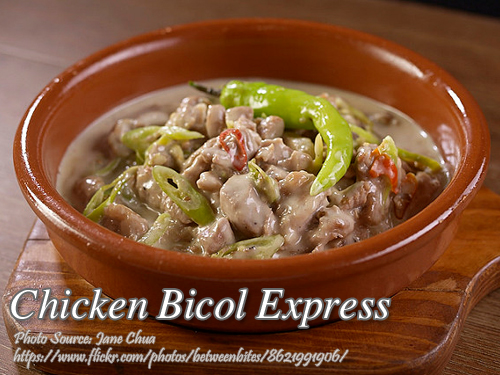
Chicken Bicol express is the healthier version on the creamy and spicy dish. It is loaded with green chili peppers and red chili peppers so you can imagine the spicy taste of this dish. If green chili peppers are not readily available, you can use bell peppers. Just add more red chili peppers to make it hot. Usually pork is used, but on this version lean chicken meat is used which is low in cholesterol provided that you won’t include the skin.
But if you are not a health buff and you just want a lighter version of the Bicol express, then you can include the skin. This chicken Bicol express is a good alternative to the pork version because pork fat is high in cholesterol. And about the shrimp paste, you can use sautéed shrimp paste which is more convenient but most of the time they are a little sweet. But you can also use fresh shrimp paste if you don’t want the sweet taste of the sautéed shrimp paste.
Chicken Bicol Express: A Lighter Twist on a Filipino Favorite
If you enjoy creamy coconut dishes with a spicy kick, chicken Bicol express deserves a spot on your table. It brings together tender chicken, rich coconut milk, shrimp paste, and fresh chilies in one comforting dish that’s easy enough for beginners to prepare at home.
Traditional Bicol Express is made with pork simmered in coconut milk and plenty of chili peppers. It’s believed to have been inspired by the bold flavors of the Bicol Region, an area in the Philippines well known for abundant coconuts and fiery dishes. Over the years, home cooks have created different versions to suit their family’s preferences, and this lighter variation has become one of my favorites.
I started making chicken Bicol express on busy weeknights when I wanted something satisfying without using pork. Lean chicken cooks faster, absorbs the creamy sauce beautifully, and still delivers the rich, spicy flavors that make this Filipino classic so memorable. Even family members who usually ask for the pork version are pleasantly surprised after one serving.
Why Chicken Bicol Express Works So Well
One thing I appreciate about this recipe is how every ingredient has an important role. The coconut milk provides a rich and silky sauce that balances the salty shrimp paste and the heat from the chilies. The chicken offers a lighter alternative while still soaking up all those wonderful flavors during simmering.
Using boneless chicken makes the dish easier to eat, but bone-in pieces also work if you have extra time. Bones naturally release more flavor into the sauce as they cook, although they require a longer simmer. If you’re watching your cholesterol, removing the skin before cooking keeps the dish lighter. If you’re after extra richness, leaving the skin on creates a slightly more flavorful sauce because some of the chicken fat melts into the coconut milk.
Another reason this recipe is beginner-friendly is that it doesn’t rely on complicated techniques. As long as you cook patiently and avoid rushing the coconut milk, you’ll end up with a creamy sauce that’s smooth instead of oily or separated.
Building Flavor for the Best Chicken Bicol Express
The cooking process starts simply by sautéing garlic, onions, and bay leaves in a little oil. Don’t rush this step. When the onions become soft and almost translucent, they release their natural sweetness, creating a flavorful base for the entire dish.
Once the aromatics are fragrant, add the chicken and cook just until the outside turns white. This isn’t about browning the meat completely. Instead, you’re sealing in some moisture while allowing the chicken to absorb the flavors of the garlic and onions before the liquid goes in.
Next comes the fish sauce, ground pepper, red chilies, and coconut milk. After stirring everything together, reduce the heat and let the mixture simmer gently. This gentle simmer is important because coconut milk can separate if it boils too aggressively. A slow simmer allows the sauce to thicken naturally while keeping its creamy texture.
One lesson I learned after making this dish several times is to resist stirring constantly. Stirring once in a while is enough to prevent sticking, but overmixing during simmering can sometimes encourage the coconut milk to break.
The Secret Behind the Creamy Sauce
The heart of chicken Bicol express is undoubtedly the coconut milk. As it cooks, you’ll notice the sauce slowly changing from thin and milky to rich and velvety. That’s your sign that the liquid is reducing and the flavors are becoming more concentrated.
When the sauce has thickened slightly, stir in the shrimp paste. Adding it later rather than at the beginning helps preserve its distinct flavor while allowing it to blend smoothly into the coconut milk. Fresh shrimp paste gives a deeper, more savory taste, while sautéed shrimp paste is convenient and slightly sweeter. Both work well, so choosing one often comes down to personal preference.
You’ll know the shrimp paste has fully incorporated when the sauce takes on a light caramel color and smells savory instead of strongly fermented.
Adding the Right Amount of Heat
One of the things that makes chicken Bicol express unique is its generous use of chili peppers. Green chilies provide a fresh pepper flavor with mild heat, while red chilies bring the spice level up another notch.
If green chilies aren’t available, bell peppers make a good substitute. Although they won’t add heat, they still contribute sweetness and texture. You can simply increase the amount of red chili if you want to keep the dish spicy.
Whenever I cook this for guests, I usually leave some of the green chilies whole. They slowly infuse the sauce with flavor without making it overwhelmingly hot. Those who enjoy extra spice can always slice the peppers before cooking or add more red chilies according to taste.
It’s much easier to add heat than to remove it, so beginners should start with fewer chilies and adjust the next time they prepare the dish.
Common Mistakes When Cooking Chicken Bicol Express
The most common mistake is cooking over high heat after adding the coconut milk. While it may seem like a good way to speed things up, the sauce can curdle or become oily instead of creamy.
Another mistake is adding the shrimp paste too early. Cooking it for too long can dull its flavor and make the sauce taste overly salty. Waiting until the coconut milk has reduced creates a more balanced result.
Some beginners also continue simmering after adding the green chilies. In my experience, just a couple of minutes is enough. The peppers stay bright, slightly crisp, and fresh-tasting instead of becoming soft and dull.
Taste the sauce before serving. Since fish sauce and shrimp paste both contribute saltiness, you may not need any additional seasoning. Every brand is a little different, so letting your taste buds guide you always produces the best results.
Serving Chicken Bicol Express
Freshly cooked chicken Bicol express is best enjoyed with plenty of steamed rice. The creamy coconut sauce naturally finds its way over every spoonful, making each bite rich, spicy, and comforting.
Like many coconut-based Filipino dishes, this recipe often tastes even better the next day. As it rests, the chicken absorbs more of the coconut sauce, allowing the flavors to meld beautifully. Just reheat it gently over low heat to keep the sauce smooth.
Whether you’re preparing it for a simple family dinner or sharing it during a weekend gathering, this lighter version proves you don’t need pork to enjoy everything people love about this classic Filipino favorite. With a little patience, fresh ingredients, and a gentle simmer, you’ll have a homemade meal that’s creamy, spicy, and full of comforting flavor from the very first bite.
How to Cook Chicken Bicol Express
Ingredients
- 500 grams chicken fillet cut into cubes
- 3 cloves garlic minced
- 1 pc onion minced
- 4 pcs green chili peppers siling panigang, sliced diagonally
- 2 cups coconut milk
- 2 Tbsp. bagoong alamang shrimp paste
- 3 pcs laurel leaves
- 2 pcs siling labuyo choppes
- 2 Tbsp. cooking oil
- 1 tsp. ground pepper
- 1 to 2 Tbsp. patis or fish sauce
Instructions
How to cook Chicken Bicol Express:
- In a cooking pan, heat cooking oil and saute garlic, onion and laurel leaves until the onions are soft. Add the chicken and saute for a few minutes until the chicken changes color to white.
- Pour the patis, red chili pepper, ground pepper and stir. Pour the coconut milk and stir for a few minutes. Cover and simmer until the coconut milk is slightly thick.
- Uncover and add shrimp paste and stir until the shrimp paste is evenly mixed with the coconut milk. Add the green chili peppers and stir. Cover and simmer for 2 to 3 minutes. Turn off heat and serve.
Video
Notes
Simmer the Coconut Milk Gently
Keep the heat on low once you add the coconut milk to prevent it from curdling or separating. A gentle simmer allows the sauce to thicken naturally while keeping it smooth and creamy. Stir occasionally instead of constantly so the coconut milk maintains its rich texture.Add the Shrimp Paste at the Right Time
Mix in the shrimp paste only after the coconut milk has reduced slightly. This helps the savory flavor blend evenly into the sauce without becoming too salty or overpowering. Taste the sauce before adding more seasoning since both shrimp paste and fish sauce already contribute saltiness.Adjust the Spice to Your Preference
Leave the green chilies whole for a milder heat or slice them if you want a spicier dish. If green chilies aren't available, use bell peppers for the same fresh flavor and texture while increasing the red chilies for heat. It's always easier to add more spice than to tone it down after cooking.




I will try this for lunch, Good Luck to me hehehe !
Hi Emy, Good lunk! Hope u enjoy!
Hiho. What alternate ingredients i can use for bagoong alamang? My family dont eat seafoods.
Can’t think of any substitute for bagoong alamang. You might as well omit that ingredients if you have allergies on seafoods.