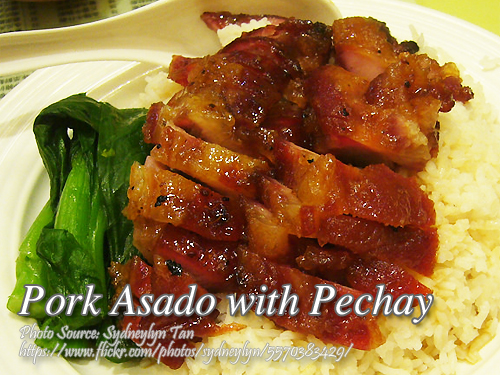
This recipe is an easy to cook pork asado with pechay. The ingredients are indeed very few, simple and easy to find. All of the ingredients like soy sauce, brown sugar, garlic, pepper and other aromatics is already mixed in the ready to use barbecue marinade. There are other barbecue marinades you can use aside from Mama Sita’s like Del Monte or Clara Ole.
Why Pork Asado with Pechay Is Such an Easy Meal
There are days when you want something that tastes like you spent a lot of time in the kitchen, but you really don’t have the energy for a long ingredient list. This is where pork asado with pechay comes in handy.
What I like about this recipe is how little preparation it needs. The bottled barbecue marinade already brings together several flavors you would normally have to measure separately, including soy sauce, sugar, garlic, pepper, and other seasonings. Add a little brown sugar, laurel leaves, water, and pork, and you have the makings of a savory-sweet dish with very little fuss.
It’s also the kind of recipe that works well for beginner cooks. You don’t need to brown the meat first or prepare a complicated marinade. Most of the cooking happens gently in one casserole while you go about preparing the rest of the meal.
The steamed pechay is a nice finishing touch, too. Its mild, slightly bitter flavor cuts through the sweetness of the sauce, while the tender leaves soak up some of that rich gravy.
Choosing the Pork for Pork Asado with Pechay
For this dish, I prefer pork cuts that have a little fat because they stay more tender during simmering. Pork shoulder is a good choice, although other suitable stewing cuts can work as well.
If your pork has a thick layer of fat, you don’t necessarily have to remove all of it. A little fat melts into the cooking liquid and gives the sauce a fuller taste. Too much, however, can leave the finished dish greasy, so trim away any especially thick pieces.
One thing worth remembering is that the meat will be sliced after cooking. Keeping the pork in larger pieces while it simmers helps it retain moisture. If you slice it before cooking, the thinner pieces can become dry before they have enough time to become tender.
This is one of those small kitchen decisions that makes a noticeable difference.
The Shortcut That Gives Pork Asado with Pechay Its Flavor
The bottled barbecue marinade is doing much of the seasoning work here. Mama Sita’s is one option, but Del Monte, Clara Ole, and other ready-to-use barbecue marinades can also be used.
Because different brands have slightly different levels of saltiness and sweetness, I wouldn’t automatically add extra soy sauce or salt at the beginning. Let the marinade do its job first. You can always adjust the sauce later.
Combine the pork, water, barbecue marinade, sugar, and laurel leaves in a casserole. Bring everything to a gentle simmer rather than a hard boil.
This slow cooking is important. A vigorous boil can make the outside of the meat cook too quickly while the inside remains firm. A gentle simmer gives the connective tissues in the pork enough time to soften. As those tissues break down, the meat becomes tender and the cooking liquid develops a deeper, more rounded flavor.
Keep the casserole partially covered if the liquid is evaporating too quickly. You want enough sauce left at the end to spoon generously over the pork and vegetables.
How to Tell When the Pork Is Tender
Don’t rely entirely on the clock when cooking pork. Cooking time can vary depending on the size and thickness of the meat and the cut you’re using.
Instead, check it with a fork. When the pork feels tender enough to pierce without much resistance, it’s ready for the next step.
I also like to let the meat rest for a few minutes after removing it from the casserole. It will be easier to handle and slice, and you won’t be fighting hot, slippery meat with your knife.
Slice the pork thinly against the grain if you can identify the direction of the muscle fibers. Cutting across the fibers shortens them, which makes each bite easier to chew.
This little technique is especially helpful when you’re working with a cut that has more texture than a very tender pork loin.
Getting the Sauce Right for Pork Asado with Pechay
Once the pork is removed, the remaining liquid becomes the sauce. At this point, taste it before thickening.
If your marinade is already quite sweet, you may find that the brown sugar has given it plenty of sweetness. If it tastes too strong, a small splash of water can mellow it. If it tastes flat, a tiny adjustment of seasoning may be all it needs.
For thickening, dissolve the cornstarch in a little water before adding it to the hot sauce. This is called a slurry, and it prevents the starch from forming stubborn lumps.
Add the slurry gradually while stirring continuously. The sauce should begin to thicken fairly quickly.
Don’t add all of the cornstarch mixture at once if you’re unsure about the consistency. A sauce that is slightly thinner can still coat the pork nicely, while an overly thick sauce can become heavy and pasty.
The goal is a smooth gravy that clings to the slices without sitting on the plate like jelly.
Steaming the Pechay Without Overcooking It
Pechay doesn’t need much cooking. Steam it just until the leaves are wilted and the stems are tender but still have a little bite.
This is one part of the recipe where it’s easy to go too far. Overcooked pechay can become limp and watery, and you lose the fresh quality that makes it such a good partner for the rich pork.
I usually prepare the vegetables while the sauce is being finished so everything reaches the table warm. If the pechay releases a lot of water after steaming, let it drain briefly before plating. You don’t want excess vegetable water diluting your asado sauce.
Arrange the sliced pork beside or over the steamed pechay, then spoon the thickened sauce over the top.
A Little Food History Behind Filipino Asado
The word “asado” can be confusing because Filipino asado dishes don’t all follow one exact recipe. In the Philippines, the name is used for several preparations of meat, and the cooking styles can vary from one dish or family to another.
Filipino cuisine has also developed through centuries of interaction with different culinary traditions, including Chinese and Spanish influences. This is one reason familiar words and cooking techniques can take on distinctly Filipino forms in local kitchens.
This particular version is especially practical for the modern home cook because it uses a ready-made barbecue marinade instead of building the seasoning from scratch. It’s less about following one rigid traditional formula and more about getting a comforting sweet-savory pork dish onto the family table.
That’s part of what makes recipes like this useful. Home cooking has always involved adapting to what’s available in the pantry.
Simple Ways to Make This Pork Dish Your Own
The first time you make pork asado with pechay, I recommend keeping the recipe close to the basic method so you can get a feel for the flavor of your chosen marinade.
After that, you can make small adjustments. You might prefer a slightly sweeter sauce, more tender pork, or a larger serving of vegetables. You can also use another leafy vegetable if pechay isn’t available, although its mild flavor and crisp stems are particularly good with the sauce.
Serve the dish with plenty of steamed rice. The sauce is the part you don’t want to waste, especially after it has absorbed the savory juices from the pork.
For leftovers, keep the pork and sauce refrigerated in a covered container and reheat until thoroughly hot. The sauce may become thicker when chilled, so a small splash of water can help loosen it during reheating.
Why Pork Asado with Pechay Belongs in the Weeknight Rotation
What makes pork asado with pechay worth remembering isn’t that it requires special ingredients or complicated techniques. It’s the opposite.
You get tender pork from gentle simmering, a flavorful sauce from a convenient bottled marinade, and fresh vegetables from simply steaming pechay. The cornstarch slurry turns the cooking liquid into a glossy sauce, while slicing the pork thinly makes it easy to serve and eat.
For a beginner, it’s also a good recipe to learn from because every stage teaches a useful kitchen skill: how to simmer meat, how to judge tenderness, how to adjust seasoning, how to thicken a sauce, and how to avoid overcooking vegetables.
And sometimes that’s exactly what you need from a home-cooked meal. Nothing complicated, just tender pork, a sweet-savory sauce, fresh pechay, and a bowl of hot rice waiting on the side.
How to Cook Pork Asado with Pechay
Ingredients
- 1 kilo pork shoulder kasim
- 2 cups water
- 1/2 cup barbecue marinade e.g. Mama Sita's, Del Monte
- 2 Tbsp sugar
- 2 pcs laurel leaves
- 1 Tbsp cornstarch dissolved in 6 Tbsp water
- 2 bunches pechay washed and steamed
Instructions
How to cook pork asado with pechay
- In a casserole, combine pork, water, barbecue marinade, sugar and laurel leaves.
- Simmer until pork is tender. Remove the pork from the casserole and slice thinly.
- Add dissolved cornstarch to the to the sauce while stirring continuously until it thickens.
- Arrange the sliced pork and steamed pechay in a plate and pour sauce over and serve.
Notes
Choose Pork with Some Fat
Use pork shoulder or another stewing cut with a little marbling for a more tender and flavorful result. Avoid trimming away every bit of fat because some of it melts during simmering and adds richness to the sauce. Keep the pork in larger pieces while cooking, then slice it thinly once tender to help keep the meat juicy.Simmer Gently for Tender Pork
Cook the pork over low to medium heat and keep the liquid at a gentle simmer rather than a vigorous boil. Slow simmering gives the connective tissues enough time to soften, resulting in pork that is easier to slice and chew. Check the meat with a fork instead of relying only on cooking time, since the thickness and cut of the pork can affect how quickly it becomes tender.Thicken the Sauce Carefully
Always dissolve the cornstarch in a little water before adding it to the hot sauce to prevent lumps. Stir continuously as you slowly pour in the slurry, then stop once the sauce is thick enough to coat the back of a spoon. Steam the pechay separately and avoid overcooking it so its fresh flavor and slight crunch can balance the rich, sweet-savory pork sauce.