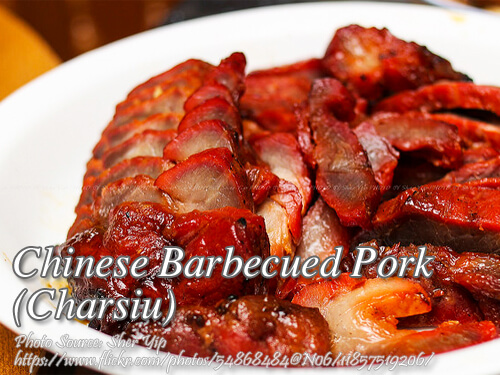
Char Siu pork is one of the popular Chinese food and you can see this hanging in front of some Chinese restaurants specially in Binondo. You can find this long strips of reddish barbecued pork with shiny glazed along with the roasted peking ducks on those Chinese restaurants. Char siu literally means “fork burn/roast” (“siu” being burn/roast and “char” being fork) after the traditional cooking method for the dish: long strips of seasoned boneless pork are skewered with long forks and placed in a covered oven or over a fire. I thought some people calls it “roast fork” is only joking or doesn’t know how to spell and thinking the correct words are roast pork.
Char Siu Pork and Its Place in Chinese Cuisine
Char siu pork is one of the most recognizable dishes in Chinese cuisine. If you’ve ever walked through Binondo, Manila’s famous Chinatown, you’ve probably noticed rows of glossy red meats hanging beside roasted ducks in restaurant windows. Among them, the bright and beautifully glazed pork strips are hard to miss.
The name char siu comes from the Cantonese words meaning “fork roast” or “fork burn.” Traditionally, long strips of seasoned pork were skewered with large forks and roasted over an open fire or inside a covered oven. This cooking method gave the meat its signature smoky flavor and caramelized exterior.
For many people, seeing these vibrant red strips displayed in Chinese barbecue shops sparks curiosity. The combination of sweet, savory, and slightly smoky flavors makes this dish a favorite not only in China but throughout Southeast Asia and beyond. While restaurant versions often use specialized equipment, making char siu pork at home is surprisingly simple and rewarding.
What Makes Char Siu Pork Special
What sets char siu pork apart from other roasted pork dishes is its unique balance of flavors. The marinade combines soy sauce, oyster sauce, hoisin sauce, sesame oil, sherry, and brandy to create layers of savory, sweet, and aromatic notes.
One thing I noticed the first time I made char siu pork at home was how much the aroma changes during roasting. At the beginning, the scent is mostly soy sauce and hoisin. As the meat cooks, the sugars in the marinade begin to caramelize, filling the kitchen with a rich barbecue-like fragrance that’s difficult to resist.
The shiny glaze is another hallmark of this Chinese barbecue favorite. The final brushing of honey creates a lacquered finish that gives the pork its signature appearance while adding a touch of sweetness that balances the savory marinade.
Choosing the Best Pork for Char Siu
The cut of pork plays a major role in the final texture. Traditionally, pork shoulder or pork butt is preferred because it contains enough fat to stay juicy throughout the roasting process.
Lean cuts may seem like a healthier option, but they can dry out quickly during cooking. A moderate amount of marbling helps the meat remain tender and flavorful. As the pork roasts, the fat slowly renders, naturally basting the meat from within.
When slicing the pork, cut it along the grain into strips approximately two inches wide and thick. This shape allows the marinade to penetrate evenly and helps create the classic appearance associated with authentic Chinese barbecued pork.
Marinating Pork for Maximum Flavor
The secret to flavorful char siu pork lies in giving the marinade enough time to work. Combining the pork with brandy, sherry, soy sauce, oyster sauce, sesame oil, and hoisin sauce creates a rich seasoning mixture that gradually penetrates the meat.
An overnight marinade produces the best results. During this time, the salt and seasonings move deeper into the pork, enhancing flavor throughout rather than just on the surface.
I’ve occasionally tried shortening the marinating time when in a hurry, but the difference is noticeable. The meat still tastes good, but the deeper savory flavor that makes char siu pork so satisfying is less developed. For beginners, patience here truly pays off.
Using a sealed container or zip-top bag ensures every surface of the pork remains coated. Turning the pieces once or twice during marination can also help distribute the flavors more evenly.
Roasting Char Siu Pork in the Oven
Traditional versions are cooked over fire, but an oven produces excellent results for home cooks.
Start by preheating the oven to 400°F. Place the marinated pork strips on a rack set over a roasting pan partially filled with water. This simple step serves an important purpose. The water creates moisture inside the oven, helping prevent the drippings from burning and producing unpleasant smoke.
Roasting at the higher temperature initially helps set the exterior and begins the caramelization process. After ten minutes, reducing the heat to 320°F allows the pork to cook gently while remaining juicy.
During roasting, flipping and basting the pork with marinade is worth the extra effort. Each layer of marinade builds flavor and contributes to the glossy coating that char siu pork is known for. As the meat cooks, you’ll notice the edges gradually darken and develop attractive caramelized spots.
One common mistake beginners make is leaving the pork unattended for too long. Because the marinade contains sugar-rich ingredients, the surface can darken quickly. Regular monitoring helps achieve a beautiful glaze without burning.
Why the Honey Glaze Works
The final honey brushing may seem like a small detail, but it plays a major role in the finished dish.
Honey contains natural sugars that caramelize rapidly when exposed to heat. Brushing it onto the pork near the end of cooking creates the signature shiny coating seen in Chinese barbecue shops.
When the pork returns to the oven after the honey application, the surface becomes glossy and slightly sticky. The result is a beautiful finish that not only improves appearance but also adds another layer of flavor.
I’ve found that applying the honey too early can cause excessive browning before the pork is fully cooked. Waiting until the final minutes ensures the glaze develops properly without becoming bitter.
The Texture and Flavor of Properly Cooked Barbecued Pork
One of the most satisfying moments when making char siu pork is slicing into the finished roast. After resting for a few minutes, the juices redistribute throughout the meat, helping maintain moisture.
The interior should be tender and juicy, while the outside develops a lightly caramelized crust. The flavor is a balance of sweet, savory, and slightly smoky notes, with the sesame oil adding subtle nuttiness in the background.
If the pork feels tough, it may have been overcooked. If it’s overly soft and lacks caramelization, it likely needed additional roasting time. With practice, recognizing these visual and textural cues becomes easier.
Serving Char Siu Pork at Home
One reason char siu pork remains popular is its versatility. It can be served warm straight from the oven or enjoyed at room temperature.
Steamed rice is perhaps the most familiar pairing. The savory juices from the meat naturally flavor the rice, creating a simple yet satisfying meal. The pork also works beautifully sliced over noodle soups, stir-fried noodles, or even tucked into steamed buns.
Leftovers are equally useful. Thin slices can be added to fried rice, noodle dishes, or vegetable stir-fries for an easy meal the next day.
Why It Remains a Favorite
Char siu pork has endured for generations because it delivers incredible flavor using simple ingredients and straightforward cooking methods. While its roots trace back to traditional Cantonese barbecue, home cooks can successfully recreate this classic dish in a standard kitchen.
What I appreciate most about making char siu pork is how the process transforms a humble cut of pork into something special. From the overnight marinade to the glossy honey glaze, every step contributes to the dish’s distinctive character.
For beginner cooks, this recipe offers an excellent introduction to Chinese roasting techniques. Once you experience the aroma filling your kitchen and slice into that beautifully glazed pork, it’s easy to understand why this beloved Chinese barbecue classic continues to capture the hearts of food lovers around the world.
How to Cook Chinese Barbecued Pork (Char Siu Pork)
Ingredients
- 1 kilo pork shoulder kasim
- 1 Tbsp. brandy
- 2 Tbsp. dry sherry or Chinese rice wine
- 2 Tbsp. soy sauce
- 1 Tbsp. hoi sin sauce
- 1 tsp. sesame oil
- 1 Tbsp. oyster sauce
- 3 Tbsp. honey
Instructions
How to Cook Chinese Barbecued Pork (Char Siu Pork):
- Cut the pork into strips along the grain about 2 inches wide x 2 inches thick and approximately 6 inches long.
- Mix the marinade by combining brandy, sherry, soy sauce, oyster sauce, sesame oil and hoi sin sauce.
- Get a zip bag or sealed container and combine the pork and marinade. Marinate the pork slices overnight in the refrigerator.
- Preheat oven to 400°F. Lay the strips on a rack and set on a roasting pan filled with water. Roast for 10 minutes. Then lower the heat to 320°F and continue roasting, flipping and basting occasionally with the marinade for another 35 minutes.
- Remove from oven and let rest for 3 minutes. Brush tops with honey, return to oven, and roast for 4 minutes. Remove from oven, flip over the slices, brush with honey, and return to oven. Roast for 2 more minutes. Slice the roast pork and serve warm or at room temperature. Serve with rice as topping or noodles.
Notes
Marinate Overnight for Deeper Flavor
For the best char siu pork, allow the meat to marinate overnight in the refrigerator. This gives the soy sauce, hoisin sauce, and other seasonings enough time to penetrate beyond the surface. The longer marinating time results in more flavorful and juicy pork after roasting.Baste Frequently During Roasting
Basting the pork with the marinade while it cooks helps build layers of flavor and creates a beautiful glossy finish. It also keeps the surface from drying out during the long roasting process. Turn the pork occasionally so it cooks evenly and develops consistent caramelization on all sides.Apply the Honey Glaze at the End
Brush the honey onto the pork only during the final minutes of cooking. Adding it too early can cause the sugars to burn before the meat is fully cooked. Applying it near the end creates the signature shiny coating and sweet-savory glaze that makes char siu pork so appealing.