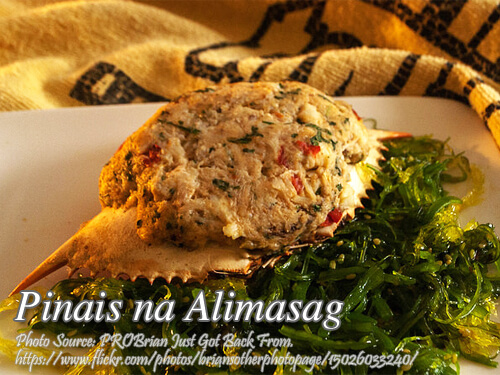
This pinais na alimasag probably came from Quezon province because they have a dish called pinais na hipon. The ingredients are almost the same as the pinais na alimasag but instead of using shrimps, this time crab meat is used. The dish is actually stuffed crabs stuffed with crab meat mixture containing buko strips, coconut cream, spices and aromatics. It is then wrapped in banana leaves and cooked by broiling.
A Family Introduction to Pinais na Alimasag
The first time I tasted pinais na alimasag, I was already an adult, but it brought me straight back to childhood. It reminded me of summers spent in Quezon province, where cooking always felt slow and intentional. My Uncle Ruben, who married into our family from Real, Quezon, used to say that dishes wrapped in banana leaves always taste better because they are cooked with patience. I did not fully understand what he meant until I tried making this dish myself, following his suggestions and a few habits passed down by my relatives.
Pinais na Alimasag and Its Roots in Quezon Province
This dish likely traces its roots to Quezon, where pinais na hipon is more common. My sister Liza once stayed with her college friend in Lucban and came home talking nonstop about coconut-based seafood dishes. According to her friend’s mother, pinais was born from the abundance of fresh coconut, shellfish, and banana leaves in the area. It made sense to replace shrimp with crab, especially when blue crabs were plentiful and sweet. Over time, pinais na alimasag became a special-occasion dish, something you cook when you want to impress but still feel at home.
Preparing the Crabs for Pinais na Alimasag
The process starts with steaming the crabs until just cooked, then letting them cool enough to handle. My Aunt Nenita always warned me not to overcook them at this stage. Steaming gently firms up the meat without drying it out, making it easier to remove from the shell. Keeping the carapace is important because it becomes both a container and a flavor carrier. When you stuff the mixture back into the shells, the crab essence clings to the filling, making every bite richer.
Why Sautéing the Aromatics Matters
I learned from my Uncle Ruben that sautéing garlic, ginger, and onions before adding the coconut ingredients builds a deeper base flavor. Raw aromatics can taste sharp, especially for beginners. Cooking them slowly for a few minutes mellows their bite and releases their natural sweetness. When chili is added at this stage, it infuses the oil gently, giving heat without overpowering the delicate crab meat. This step is why the finished pinais na alimasag tastes balanced rather than flat.
Coconut Cream and Buko Strips in Pinais na Alimasag
Coconut cream and young coconut strips are what set this dish apart. My cousin Maribel prefers using freshly squeezed kakang gata because it thickens better when simmered. Stirring constantly while simmering prevents the cream from breaking. As it reduces, it coats the coconut strips, creating a sauce that is rich but not greasy. This technique works because coconut cream naturally emulsifies when heated gently, giving the filling its signature creamy texture.
Stuffing and Wrapping the Crab Shells
Once the crab meat is folded into the thickened sauce and seasoned with patis and pepper, the mixture is stuffed back into the shells. This part always feels ceremonial to me. Wrapping the stuffed shells in banana leaves is not just traditional, it is practical. The leaves protect the filling from direct heat and add a subtle grassy aroma. My grandmother used to say banana leaves act like a natural oven, trapping moisture while letting excess steam escape.
Broiling and the Final Flavor of Pinais na Alimasag
Broiling the wrapped crabs over hot coals is where everything comes together. The banana leaves char on the outside, which signals that the inside is hot and ready. This method works because the intense heat caramelizes the coconut cream slightly while keeping the crab tender. When you open the leaves, the aroma alone tells you it is done. That moment always reminds me of family gatherings, everyone hovering around the table, waiting to eat.
Serving Pinais na Alimasag for the First Time
For beginners, this dish might seem elaborate, but each step has a purpose. Pinais na alimasag is best served immediately, while the filling is hot and the coconut cream still silky. I like pairing it with plain rice to let the flavors shine. Cooking it always makes me think of family members who shared techniques, stories, and meals. More than just a recipe, this dish is a reminder that good food carries memory, place, and the quiet wisdom of those who cooked before us.
Pinais na Alimasag
Ingredients
- 1 kilo blue crabs
- 2 Tbsp. cooking oil
- 1 Tbsp. minced garlic
- 1 Tbsp. minced ginger
- 1/4 cup onions chopped
- 2 tsp. red chili peppers finely chopped
- 1/2 cup + 1/8 cup buko meat cut into thin strips
- 1/2 cup + 1/8 cup coconut cream
- patis to taste
- 1/8 tsp. ground black pepper
- banana leaves for wrapping the crabs
Instructions
How to cook Pinais na Alimasag:
- Steam crabs until cooked then allow them to cool. Remove the meat from the shell and reserve the shells (carapace).
- Heat the saucepan and saute the garlic, ginger and onion for about 3 minutes. Then add the chili, coconut strips and cream.
- Bring to a boil then reduce the heat and allow to simmer while stirring constantly until the sauce thickens.
- Add the crab meat and season with patis and pepper to taste. Stuff the crab meat mixture into the shells.
- Wrap in banana leaves and tie securely, broil in hot coals until the leaves are seared on all sides.
- Transfer in to platter and serve immediately.
Notes
Cooking Tips:
Choose Fresh Crabs for Better Flavor
Fresh crabs make a big difference in pinais na alimasag because the meat is naturally sweet and firm. Avoid crabs that feel light or have a strong smell, as this affects the final taste. Fresh crab also releases natural juices that enrich the coconut-based filling.Control the Heat When Cooking the Coconut Cream
Coconut cream should be simmered gently, not boiled aggressively, to keep it smooth. High heat can cause the cream to separate and turn oily, which changes the texture of the filling. Slow cooking allows the sauce to thicken naturally and coat the crab meat evenly.Wrap Tightly with Banana Leaves
Make sure the banana leaves fully cover and seal the stuffed crab shells before broiling. A tight wrap traps steam inside, keeping the filling moist and flavorful. This also helps infuse the dish with the subtle aroma that banana leaves are known for.