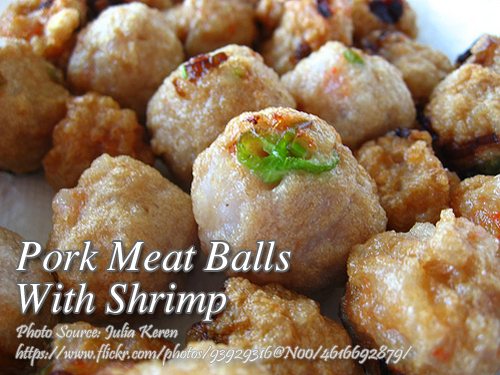
A simple and appetizing pork and shrimp meat balls with minced shrimp. This meatballs recipe uses singkamas or turnip as an extender. If you are familiar with making siomai, the ingredients on making this kind of meatballs are very similar because siomai uses ground pork, minced shrimps and turnip as an extender. So you can imagine now what these pork meatballs will taste after cooking it.
Pork and Shrimp Meat Balls With Singkamas
If you enjoy siomai, there’s a good chance you’ll enjoy these pork and shrimp meat balls, too. The mixture has that familiar combination of ground pork, chopped shrimp, and singkamas, but instead of wrapping everything in dumpling skins, you simply shape the filling into little balls and fry them until nicely browned.
I like recipes like this because they look a little more special than an everyday meatball, but they’re actually very easy to put together. There’s no complicated technique involved. Mix, shape, fry, and serve with a simple vinegar dipping sauce.
The first time you make them, don’t be surprised if the mixture feels a little softer than a typical beef or pork meatball mixture. The minced singkamas adds moisture, while the raw egg helps bind everything together. That combination gives the finished meatballs a tender texture instead of making them dense and heavy.
The singkamas is also doing more than simply stretching the meat. It adds a mild sweetness and a pleasant little crunch, especially when it’s minced finely but not completely mashed. It’s the same reason vegetables such as water chestnuts or singkamas work so well in many Asian-style meat fillings.
Why Singkamas Works So Well
Singkamas, also known as jicama or Mexican turnip, is one of those humble Filipino ingredients that can quietly make a recipe better. It has a crisp texture and a slightly sweet, juicy flavor. When mixed into ground pork, it helps lighten the filling while adding another layer of texture.
For these pork and shrimp meat balls, I recommend mincing the singkamas fairly small. Large pieces can make the mixture harder to shape and may cause the meatballs to break apart in the oil. If your singkamas is particularly watery, gently squeeze out some of the excess moisture after chopping. You don’t want it bone-dry, though. A little moisture is part of what keeps the meatballs tender.
This is also where beginners sometimes run into trouble. If the mixture feels too wet to hold its shape, resist the urge to immediately add a lot of flour or other dry ingredients. First check whether the vegetables were simply too wet. Too much filler can make the meatballs firm and somewhat pasty.
How the Pork and Shrimp Meat Balls Come Together
Start by combining the ground pork, chopped shrimp, tomatoes, onions, minced singkamas, raw egg, and salt in a bowl. Mix everything until the ingredients are evenly distributed. I find using clean hands is the easiest way to do this because you can quickly feel whether the mixture is holding together properly.
You don’t need to knead the mixture aggressively. Just mix until everything is well combined. Overworking ground meat can give the finished balls a tighter, heavier texture, and there’s really no advantage here.
Before shaping the entire batch, it’s a good habit to fry a tiny portion of the mixture first. This is one of those small cooking steps that can save you from discovering at the table that the seasoning needs adjusting. Taste the cooked sample and add a little more salt if necessary.
Shape the mixture into balls about three-fourths of an inch in size. Keeping them relatively small is important. They cook more evenly this way, and you won’t end up with a browned exterior while the center is still raw.
If the mixture sticks to your hands, lightly dampen your palms with water or rub them with a very small amount of oil. Don’t add extra liquid to the meat mixture just to make shaping easier.
Frying the Meatballs Until Golden
Heat enough oil for deep-frying and make sure it is properly hot before adding the meatballs. If the oil isn’t hot enough, the balls can absorb more oil and become greasy. If it’s excessively hot, the outside can brown too quickly before the pork and shrimp inside are cooked.
A medium to medium-high heat is a good starting point, but the amount of food in the pan matters, too. Adding too many meatballs at once lowers the oil temperature. I’d rather fry them in smaller batches than crowd the pan.
As they cook, turn them gently so they brown evenly on all sides. You’re looking for a deep golden-brown exterior. Because these are small meatballs, they shouldn’t take very long, but don’t rely on color alone. The pork and shrimp should be fully cooked in the center.
Once cooked, transfer the pork and shrimp meat balls to paper towels or a rack to drain. If you’re frying several batches, give the oil a little time to return to temperature between batches.
One thing I learned with small fried foods is that patience during draining really does make a difference. Letting the excess oil run off for a minute or two keeps the exterior pleasantly crisp rather than oily.
The Simple Vinegar Dipping Sauce
The dipping sauce is almost as simple as the meatballs themselves. Combine vinegar with chopped onion, sugar, salt, and pepper, then stir until the seasonings are well distributed.
Don’t be tempted to make the sauce overly sweet. The sugar is there to soften the sharpness of the vinegar, not turn it into a sweet sauce. You want that bright acidity because it cuts through the richness of the fried pork.
Give the sauce a quick taste before serving. Vinegar varies in sharpness, so you may find that you prefer a little more sugar or a pinch more salt depending on the brand you use.
I especially like serving these pork and shrimp meat balls while they’re still warm, with the vinegar sauce on the side. The crisp, savory exterior and juicy center work beautifully with the tangy dip.
A Filipino Take on Asian Meatball Traditions
There’s an interesting connection between this recipe and siomai. Chinese-style dumplings such as shu mai commonly use ground meat and shrimp together, and Filipino cooks have long adapted Chinese-influenced dishes to suit local ingredients and tastes. Kawaling Pinoy’s discussion of pork siomai, for example, also highlights the familiar pairing of ground pork, shrimp, and crunchy vegetables.
That makes the use of singkamas here feel very natural. Filipino cooking has a long tradition of adapting dishes based on what is available and affordable. Ingredients don’t always have to stay in their original form to become part of the local food culture.
In this case, the result is almost like a siomai filling that decided to skip the wrapper and go straight into the frying pan.
There’s also something practical about using an extender such as singkamas. Meatball recipes have often been a smart way to make a small amount of meat go further, especially when feeding a family. You get more portions without making the dish feel like it’s all filler.
Pork and Shrimp Meat Balls in Misua Soup
Don’t limit these pork and shrimp meat balls to appetizer duty. The cooked meatballs can also be added to misua soup for a quick and comforting meal.
If you want to prepare them specifically for soup, there’s another option in the recipe. Instead of using the egg as the binder, you can substitute one tablespoon of flour and drop the shaped meatballs directly into boiling broth.
The boiling broth is important. Adding the raw meatballs to liquid that isn’t hot enough can cause them to fall apart before the exterior sets. Once the broth is actively boiling, the heat helps the outside of the meat mixture firm up quickly.
This version is especially nice with misua, where the delicate noodles and light broth let the pork and shrimp flavor stand out. It’s a good reminder that one basic meat mixture can turn into two completely different meals depending on how you cook it.
Helpful Tips for First-Time Cooks
If this is your first time making pork and shrimp meat balls, pay attention to the moisture in the mixture and the temperature of your oil. Those two things will make the biggest difference in the final result.
Keep the shrimp finely chopped rather than leaving large chunks. Bigger pieces can make small meatballs difficult to shape and may create weak spots where the mixture separates.
It’s also worth keeping the meatballs consistent in size. If some are tiny and others are much larger, they’ll finish cooking at different times. The three-fourths-inch size in this recipe is small enough to cook relatively quickly while still giving you a satisfying bite.
And don’t skip the little taste test before forming the whole batch. It takes only a few minutes to fry a teaspoonful, and it gives you a much better idea of whether the salt is right.
A Simple Recipe Worth Keeping
What I like most about these pork and shrimp meat balls is their versatility. You can serve them as a snack, put them on the table with rice as part of a family meal, or save some for a bowl of misua soup later.
They’re also the kind of recipe that becomes easier with practice. The first batch teaches you how wet the mixture should feel, how quickly your oil browns the outside, and how much seasoning your family likes in the vinegar dip. After that, you can make small adjustments without having to measure every little thing.
For a beginner, that’s where home cooking starts to become fun. You follow the basic recipe the first time, pay attention to what happens in the pan, and then make it your own the next time. These little pork and shrimp meat balls are simple enough to learn from and tasty enough to make you want to try them again.
How to Cook Pork and Shrimp Meat Balls
Ingredients
- 1/4 kilo ground pork
- 1/4 kilo shrimp shelled and chopped fine
- 2 pcs medium tomatoes seeded and chopped
- 1 pc medium onion minced
- 1 pc small singkamas or turnip minced
- 1 teaspoon salt
- 1 pc egg
For the sauce:
- 1/2 cup native vinegar
- 1 pc small onion thinly sliced
- 7 teaspoons sugar
- 1 teaspoon salt
- 1/4 teaspoon pepper
Instructions
How to Make Pork and Shrimp Meat Balls:
- Mix all ingredients together ( ground pork, chopped shrimps, tomatoes, onions, minced turnip, raw egg and salt) and form into ¾ inch balls.
- Deep fry in hot oil and drain in paper towels or napkins.
- Mix all sauce ingredients (vinegar, onion, sugar, salt and pepper) together and serve on the side.
- The meatballs in this recipe may be used in misua soup.
- Substitute 1 tablespoon flour for the egg and drop the meatballs in boiling broth instead of frying.
Notes
Keep the Singkamas Moisture in Check
Finely mince the singkamas so it blends smoothly with the pork and shrimp mixture. If it releases too much water, gently squeeze out some of the excess moisture to prevent the meatballs from becoming too soft. Don’t remove all the moisture, though, because a little helps keep the meatballs tender and juicy.Test the Oil Before Frying
Make sure the oil is hot before adding the meatballs so they develop a nicely browned exterior without soaking up too much oil. Frying over oil that is too cool can make them greasy, while oil that is excessively hot can brown the outside before the center is fully cooked. Fry in small batches to keep the oil temperature steady and help the meatballs cook evenly.Fry a Small Sample First
Before shaping and frying the entire batch, cook a small spoonful of the mixture to check the seasoning and texture. This gives you a chance to add more salt or make other small adjustments without having to redo the whole batch. Once the sample tastes right, shape the remaining mixture into evenly sized balls so they cook at roughly the same rate.