
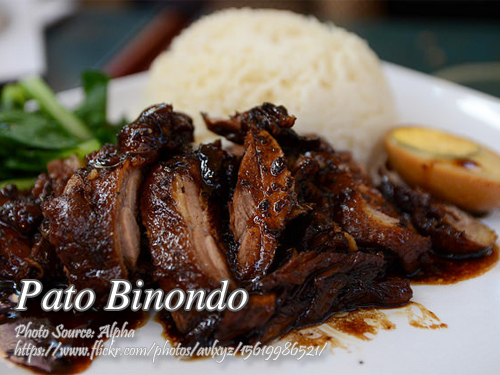
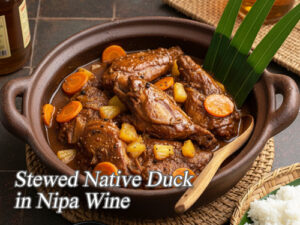
The Chinese have a great influence in our cooking and have accepted many of their food stuffs like siopao, lugaw, hopia and many others. Below is a duck dish specifically called Pato Binondo, a place in China town. Actually this is simply a Chinese-style braised duck with a rich and syrupy sauce. Chicken may be successfully substituted in this recipe. Cooking time will be reduced to about 45 minutes depending on the size of the chicken.
Pato Binondo: A Family Memory Wrapped in a Rich Sauce
I grew up in a home where the smell of simmering soy, ginger, and star anise felt like a warm welcome after school. My uncle Narding, who spent a few years helping in a small eatery near Binondo, loved to brag that he learned how to cook duck the way the old cooks in Chinatown did it. One rainy afternoon, he brought home a fat duck and announced that we were making what he called pato binondo. I had no idea what the name meant back then. All I knew was that the dish came out glossy, tender, and full of comfort.
Over the years, I found myself going back to that same flavor whenever I needed something steady and familiar. This Chinese-style braised duck has that effect. It takes its time in the pot until the sauce turns syrupy and rich. Beginners sometimes get scared of cooking duck, but this recipe teaches patience and rewards it with deep flavor.
The Charm of Chinatown Style Cooking
My cousin Liza once lived near Ongpin when she was reviewing for her board exams. Every weekend, she sent photos of her meals. Most of them were roasted meats hanging in display windows and bowls of noodles with broth that looked simple but tasted unforgettable. She said Chinatown food felt like a bridge between cultures. When I finally visited her, she introduced me to a vendor who sold a similar braised duck. That visit reminded me of my uncle’s pato binondo at home, only this version came with the buzz of the city and the smell of incense from temples nearby.
Chinese influence has long shaped Filipino cooking. We already embrace dishes like lugaw, siopao, and hopia. A braised duck like this fits right into the mix, proof that our food stories continue to blend and evolve. What makes this recipe stand out is how straightforward it is. You can even swap the duck for chicken if you want a shorter cooking time or a more familiar protein.
Why This Braising Method Works for Pato Binondo
My father once explained the secret behind this dish. He said duck needs slow, gentle cooking so the fat melts into the sauce instead of staying tough under the skin. Browning the bird at the start builds flavor because the skin caramelizes. The mix of soy sauce, aromatics, and sugar works slowly, soaking into the meat until every slice tastes balanced.
Stuffing the cavity with leeks, onion, and ginger may look like a small step, but it lets the flavor reach the inside without overpowering the outside. The long simmer transforms simple pantry ingredients into a sauce that clings to the meat and shines on the plate.
For beginners, understanding why each step matters makes the recipe less intimidating. The browning builds foundation. The simmering softens the duck. The final high heat thickens the sauce so it feels almost glossy when you spoon it over rice. Each phase supports the next, and the result is worth the wait.
A Brief Look at the Dish’s Roots
Braised duck dishes are common in many parts of China. Ingredients like soy sauce, sugar, and spice blends show up in home cooking, street stalls, and banquet dishes. Through trading and settlement, these flavors reached the Philippines, especially in areas like Binondo. Eventually families like mine adapted them with what was available. Some added more sugar. Others used stronger ginger or darker soy. The pato binondo we know today is a homegrown interpretation shaped by Filipino kitchens through the years.
Cooking Pato Inspired by Binondo Traditions
When I made this dish again last month, I followed the same steps my uncle taught me. I rinsed the duck, dried it well, then bent the leeks and tucked them neatly inside along with onion and ginger. I let it sit in its marinade for a short while, just enough time for me to prepare the pot.
The moment the duck hit the hot oil, the kitchen smelled like childhood. After browning, I drained the oil, added back the marinade, poured water, and let it sit on low heat. Two hours felt slow, but the bubbling sauce and the steady aroma made the wait easier. Toward the end, I raised the heat to thicken everything. The sauce turned shiny with just the right sweetness.
When I sliced the duck and served it with steamed rice, it tasted exactly like how I remembered it. Warm, comforting, and steady. A simple dish with a long history and a place on any family table.
Whether you are new to cooking or trying duck for the first time, this pato binondo recipe brings both ease and tradition to your kitchen. It teaches patience, rewards curiosity, and tastes like a shared story passed from one home to another.
How to Cook Pato Binondo (Chinese-Style Braised Duck)
Ingredients
- 1 whole duck dressed
- 2 stalks leeks
- 2 pcs big onions
- 3 pcs medium potatoes peeled
- 3 pieces ginger sliced
- 4 pcs black mushrooms soaked in water with stems removed
- 1/4 cup Worcestershire sauce
- 1/4 cup rice wine
- 1/3 cup soy sauce
- 2 tablespoons brown sugar
Instructions
How to cook pato binondo:
- Rinse duck and dry. Bend leeks and insert into duck cavity.
- Stuff in also 1 whole onion and 1 piece ginger.
- Put duck in a bowl and add the rest of the ingredients. Let it marinate for 10 minutes.
- Drain duck and save marinade. In a large casserole, heat cooking oil, about 1 cup and brown duck.
- Remove excess oil leaving about 1/4 cup.
- Return duck to casserole. Add marinade and 1 cup water.
- Simmer over low fire till tender about 2 hours, turning duck once.
- Toward the end of cooking turn up the heat to thicken sauce.
- Slice and serve with steamed rice.
Notes
Cooking Tips:
Choose a Well Dried Duck for Better Browning
Pat dry the duck thoroughly so the skin browns instead of steaming in the pot. Good browning adds depth and helps build a richer sauce. This simple step sets the foundation for better flavor.Keep the Heat Low for a Tender Finish
Gentle simmering lets the meat soften without drying out. Duck needs steady, patient cooking so the fat melts into the sauce naturally. This slow process gives the dish its signature tenderness.Thicken the Sauce Only at the End
Raising the heat during the last few minutes helps the liquid turn glossy and full. Thickening too early can burn the sugars in the marinade. Waiting until the end keeps the sauce balanced and smooth.

Huh? What happened to the black mushroom? Was it also added in the marinade?
@Totoy
Please read the recipe again. It says “add the rest of the ingredients”.
Great recipes..easy cooking…