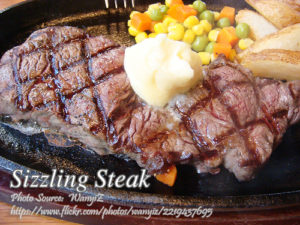
Pork is commonly breaded then fried and the most popular one is pork chop. Here in this breaded beef steak recipe, beef tenderloin is used. Although beef is seldom fried because most parts of the beef are tough.
Grilling is common in beef specially the T-bone steak but it is not usually cooked well done because it will become tough. Beef should not be overcooked because it will become tough and as much as possible cook it as quickly as possible but should not be raw on the inside section of the meat.
A Crispy and Tender Twist on a Classic Filipino Favorite
There is something especially comforting about a piece of beef that is thin, seasoned, coated in crisp breadcrumbs, and fried until golden. While pork chops are probably the first thing that comes to mind when we talk about breaded meat, beef can be just as delicious when prepared the right way. This breaded beef steak recipe uses tenderloin, which makes a big difference because the meat cooks quickly and stays tender.
Beef is not usually the first choice for breading and deep-frying. Many cuts have a firm texture and can become chewy when cooked too long. That is why choosing a naturally tender cut and slicing it thinly are important here. You are not trying to cook a thick steak until well done. Instead, the goal is to give the beef just enough time in the hot oil to cook through while allowing the breadcrumb coating to become crisp and golden.
I like serving this with catsup on the side. The slightly sweet, tangy flavor cuts through the richness of the fried coating, and it makes the dish feel very familiar and homey.
Why Tenderloin Works for Breaded Beef Steak
Tenderloin is one of the more tender cuts of beef, so it is a practical choice for this preparation. Since the slices are thin, they do not need a long cooking time. This matters because prolonged cooking causes the muscle fibers in beef to tighten, which can make the meat noticeably tougher.
If you have ever fried a piece of beef and wondered why it became chewy even though it looked perfectly browned, overcooking may have been the culprit. With this recipe, the breadcrumb coating can turn golden fairly quickly, so you want the oil hot enough to brown the outside without requiring the meat to stay in the pan for too long.
Slice the tenderloin thinly and, as much as possible, keep the pieces similar in thickness. This helps them cook at roughly the same rate. Very thick pieces may still be undercooked in the center when the crust is already browned.
Preparing the Beef for Breaded Beef Steak
The seasoning is simple: salt, calamansi juice, pepper, and vetsin, or monosodium glutamate. Calamansi is especially fitting here because its bright acidity gives the beef a fresh, slightly tangy flavor. It also helps balance the richness of the fried coating.
Letting the seasoned beef stand for about half an hour gives the flavors time to work into the surface of the meat. Because the slices are thin, you do not need to marinate them overnight. In fact, keeping the marinating time reasonable is useful when calamansi juice is involved. Too much acid over a long period can affect the texture of meat and make the surface less pleasant.
Before breading, make sure the beef is not dripping wet. Excess marinade can make the breadcrumbs patchy or cause them to slide off during frying. You do not need to dry the meat completely, though. The seasoned surface should still have enough moisture for the beaten egg to adhere.
How to Get a Crisp Coating
The egg serves as the bridge between the seasoned beef and the breadcrumbs. Dip each slice into the beaten egg, letting the excess drip off, then coat it thoroughly with breadcrumbs.
One thing I have learned with breaded meat is not to rush this part. Press the crumbs gently against the beef so they form an even coating. If the layer is too loose, it tends to fall away once the meat hits the hot oil. On the other hand, a very heavy coating can become oily because it takes longer to crisp.
The technique works because the egg creates a sticky layer that allows the dry breadcrumbs to cling to the meat. Once the coated beef enters the hot oil, moisture in the coating turns into steam while the surface dries and browns. That combination is what gives you the crisp exterior we want.
Frying Breaded Beef Steak Without Making It Tough
The oil should be properly heated before frying. If you add the beef to oil that is still too cool, the coating absorbs more oil before it has a chance to crisp. You may end up with a greasy crust instead of the light, crunchy exterior you were expecting.
At the same time, extremely hot oil can brown the breadcrumbs too quickly while leaving the beef insufficiently cooked inside. This is especially important with thicker slices.
Add the breaded pieces carefully and avoid overcrowding the pan. When too much food is added at once, the oil temperature drops sharply. The coating then takes longer to brown, and the finished beef can become greasy. Give the pieces enough room to fry properly.
Watch the color rather than relying only on a fixed cooking time. The exact frying time depends on the thickness of the slices and the temperature of your oil. The crust should be a rich golden brown, and the beef should be cooked through in the center. For food safety, use a food thermometer if you have one and cook whole cuts of beef to at least 145°F (63°C), followed by a short rest.
Common Mistakes When Making This Fried Beef
One common mistake is using a tough cut simply because it is what happens to be available. While tenderizing can help with some cuts, this recipe is designed around thin slices of tender beef. If you substitute a much tougher piece, it may require a different preparation and longer cooking time, which works against the quick-frying method.
Another mistake is frying by color alone. A beautiful golden crust does not automatically mean the center is cooked. This is why keeping the beef thin and reasonably uniform is so helpful.
I also recommend letting the fried pieces drain briefly on a rack rather than stacking them immediately on top of one another. Stacking traps steam between the pieces, and that steam can soften the crisp coating. A wire rack allows excess oil to drain while keeping more air around the crust.
A Little Food History Behind Breaded Meat
Breaded and fried meats appear in many food traditions, which makes it difficult to point to one single origin for the technique. European schnitzels, Japanese tonkatsu, American fried cutlets, and Filipino preparations all show how a simple combination of meat, coating, and hot oil can develop into something distinctly local.
In Filipino home cooking, breaded meat is often associated with practical family meals because it is easy to pair with rice and a simple dipping sauce. Pork is particularly common, but using beef gives the familiar fried cutlet a different character. Calamansi in the seasoning also brings a distinctly Filipino touch, adding acidity without making the preparation complicated.
What to Serve With Breaded Beef Steak
This dish is naturally suited to steamed white rice, especially when the beef is served hot and crisp. Catsup is an easy dipping sauce and works surprisingly well with the savory beef and crunchy breadcrumbs.
For a more complete meal, you can add a simple vegetable side such as sautéed cabbage, steamed vegetables, or a fresh tomato and onion salad. The idea is to keep the accompaniments uncomplicated because the fried beef is already the main attraction.
Final Tips for Tender and Crispy Beef
The biggest lesson with this recipe is that speed matters. Thin tenderloin cooks quickly, so there is little benefit in leaving it in the oil longer than necessary. Have the seasoned beef, beaten egg, breadcrumbs, and frying oil ready before you start. Once the cooking begins, things move quickly.
If your first batch browns too fast, lower the heat slightly before cooking the next pieces. If the coating stays pale and absorbs oil, the pan may not be hot enough. Small adjustments like these are much more useful than following a cooking time blindly because every stove, pan, and piece of beef behaves a little differently.
When done properly, breaded beef steak has a satisfying contrast: a crisp, golden coating on the outside and tender, flavorful beef underneath. It is a simple preparation, but choosing the right cut, slicing it thinly, controlling the oil temperature, and avoiding overcooking are what make the difference between a tough fried steak and one that disappears quickly from the dinner table.
How to Cook Breaded Beef Steak
Ingredients
- 1/2 kilo beef tenderloin
- 1 tsp. salt
- 1/4 tsp. pepper
- 1 tsp. calamansi juice
- 1 tsp. MSG
- 1 pc beaten egg
- 3 Tbsp. bread crumbs
Instructions
How to cook Breaded Beef Steak
- Cut beef into thin slices.
- Season with salt, calamansi juice, pepper, and vetsin. Then let stand for 1/2 hour.
- Dip in beaten egg and roll on bread crumbs.
- Deep fry until golden brown. You can serve it with catsup.
Notes
Slice the Beef Thinly and Evenly
Use tenderloin and slice it thinly so the beef cooks quickly without becoming tough. Try to keep the slices close in thickness so they finish cooking at about the same time. If some pieces are much thicker than others, the breadcrumbs may brown before the center of the beef is fully cooked.Keep the Oil Properly Hot
Heat the oil before adding the breaded beef so the coating starts crisping as soon as it hits the pan. If the oil is too cool, the breadcrumbs can absorb excess oil and turn greasy instead of crunchy. Avoid overcrowding the pan because adding too many pieces at once can lower the oil temperature.Let the Fried Beef Drain Properly
After frying, place the cooked pieces on a wire rack or a plate lined with paper towels to remove excess oil. A wire rack is especially useful because it allows air to circulate underneath and helps keep the crust crisp. Avoid stacking the pieces while they are still hot because trapped steam can soften the golden coating.