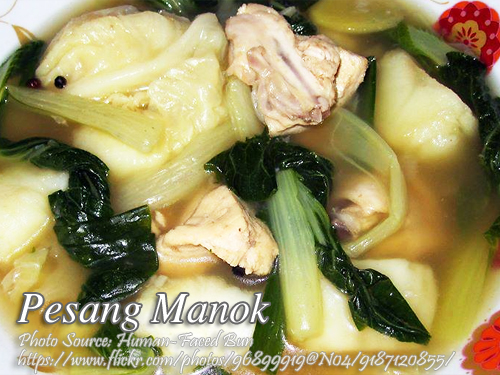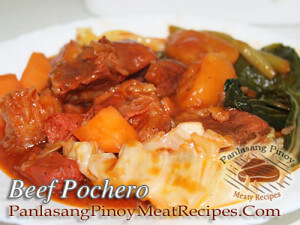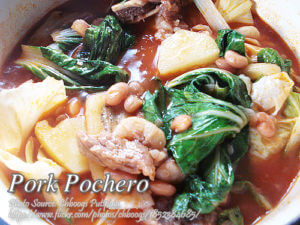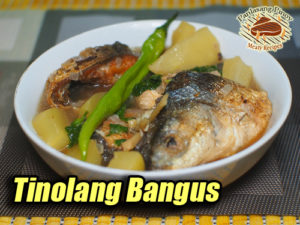
Pesang manok is very similar to nilagang manok and tinolang manok as they have the same cooking method of boiling the chicken and throwing all the vegetables and spices into the pot. What made pesang manok distinct from nilagang manok is that it doesn’t have plantain or saba bananas. Tinolang manok uses birds eye chili leaves and unripe papaya that pesang manok don’t have.
Pesang Manok and Memories from My Uncle Lito’s Kitchen
Whenever I cook pesang manok, I remember long afternoons in my Uncle Lito’s small kitchen in Laguna. He wasn’t a professional cook, but everyone in the family agreed he made the most comforting chicken soups. My cousin Mariel and I would sit near the wooden table while he worked, listening to the soft bubbling of the pot and the steady tapping of his knife against the chopping board.
He always said this dish was perfect when the weather turned a little rainy or when someone in the house needed something warm and nourishing. The smell of ginger and onions simmering in broth would slowly fill the room, and before we knew it, everyone from my Aunt Tess to my younger brother Carlo would wander into the kitchen asking when dinner would be ready.
Pesang manok is one of those classic Filipino comfort dishes that feels simple but satisfying. It’s light, flavorful, and incredibly easy to prepare, which is why many home cooks love making it for everyday meals.
What Makes Pesang Manok Different from Other Filipino Chicken Soups
At first glance, this dish might remind you of other Filipino favorites like tinola or nilagang manok. My sister Lea once asked Uncle Lito why they all seemed so similar. After all, they all involve simmering chicken with vegetables in a pot.
He laughed and explained that the differences are subtle but important.
Nilagang manok often includes saba bananas or plantains, which give the broth a mild sweetness and a slightly heavier texture. Tinola, on the other hand, uses green papaya and chili leaves, creating a broth that has a distinct herbal aroma.
Pesang manok keeps things simpler. Instead of those ingredients, it focuses on ginger, onions, and peppercorns for flavor, with potatoes and cabbage added later in the cooking process. The result is a clean, comforting soup that highlights the natural taste of the chicken.
Some food historians believe this dish was influenced by Chinese cooking traditions. The word “pesa” is thought to come from the Chinese method of poaching meat and serving it in broth. Over time, Filipino cooks adapted the idea using local ingredients and flavors, eventually creating the version many families enjoy today.
Why Simmering Is the Secret to Good Pesang Manok
One thing my uncle was very particular about when cooking pesang manok was the simmering process. He would always remind us never to rush the broth.
The chicken pieces are first placed in a pot with water, ginger, whole peppercorns, onions, salt, and celery stalks. Once the liquid comes to a boil, the heat is lowered and the pot is covered so everything can gently simmer.
This technique works because slow simmering allows the flavors from the chicken bones, ginger, and spices to slowly infuse into the broth. If the heat is too high, the liquid boils aggressively and can make the soup cloudy. Gentle simmering keeps the broth clearer and helps develop a deeper flavor.
After about thirty minutes, the chicken becomes tender and the soup develops a rich aroma that fills the kitchen.
Adding Vegetables the Right Way
Another lesson I learned from watching Uncle Lito cook pesang manok is that vegetables should be added at the right time.
Potatoes go into the pot first because they take longer to soften. If they are added too late, they remain firm while the chicken is already fully cooked.
Once the potatoes are tender, cabbage and green onions are added. These vegetables cook quickly and only need a few minutes in the hot broth. This timing keeps the cabbage slightly crisp instead of overly soft.
My cousin Mariel once added all the vegetables at the same time, and the cabbage turned too mushy. Uncle Lito just smiled and said cooking is about learning small details like that.
A Comforting Dish for Everyday Filipino Meals
What I love most about pesang manok is how practical it is. The ingredients are easy to find, the steps are simple, and the result is a warm bowl of soup that feels both nourishing and familiar.
My brother Carlo still remembers the first time he tried cooking this dish on his own when he moved to Manila for work. He called our uncle to ask about the ginger and peppercorns, worried he might get the balance wrong. Uncle Lito told him not to stress too much because this soup is forgiving.
As long as the chicken is simmered gently and the vegetables are added at the right time, the flavors usually come together naturally.
Today, whenever our family gathers for simple Sunday lunches, someone eventually suggests making pesang manok. It’s not the fanciest dish on the table, but it’s often the one everyone reaches for first.
Sometimes the simplest recipes carry the most memories, especially when they come from the kitchens of people who taught us how to cook with patience and care.
How to Cook Pesang Manok
Ingredients
- 1 kilo chicken cut into desired sizes
- 6 cup water
- 1 inch sliced ginger crushed
- 1/2 tsp. peppercorn
- 2 tsps. salt
- 2 pcs potatoes pared and quartered
- 1 pc small cabbage quartered
- 1 stalk celery cut into 2 inch length
- 4 stalks green onions cut into 2 inch length
- 1 pc big onion quartered
Instructions
How to cook pesang manok:
- Place chicken in kettle. Add water, ginger, peppercorns, salt, onions, and celery stalks and bring to a boil.
- Lower heat; cover and simmer for 30 minutes.
- Add potatoes and cook until done and then add cabbage and green onions.
- Season to taste. Serve hot. Good for 8 persons.
Notes
Cooking Tips:
Use Bone-In Chicken for a More Flavorful Broth
Bone-in chicken pieces are best when cooking pesang manok because the bones release natural flavor into the soup as it simmers. This creates a richer and deeper tasting broth compared to using boneless cuts. The slow release of collagen from the bones also gives the soup a slightly fuller body.Simmer Gently Instead of Boiling Hard
Keep the heat low once the soup starts boiling and allow the chicken to gently simmer. A slow simmer helps the flavors from the ginger, peppercorns, and onions gradually blend into the broth. Cooking at high heat can make the broth cloudy and may toughen the chicken.Add Vegetables at the Right Time
Potatoes should be added earlier since they take longer to cook and need time to soften. Cabbage and green onions cook very quickly, so they should go into the pot during the last few minutes. This timing keeps the vegetables tender while still maintaining their texture and freshness.